Goody
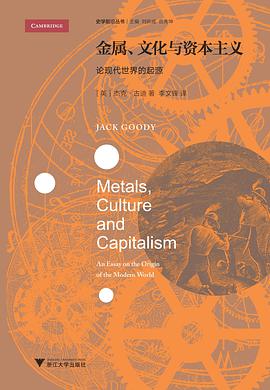
金属,文化与资本主义
Metals, Culture and Capitalism: An Essay on the Origins of the Modern World Douban
[英]杰克·古迪 translator: 李文锋 publishing house: 浙江大学出版社·启真馆 2018 - 5
《金属、文化与资本主义》是杰克·古迪的新作,雄心勃勃、旁征博引地叙述了从青铜时代到工业革命期间,欧洲和近东地区寻找金属的历程及其与经济活动、社会政治结构和资本主义的发展之间的关系。在本书中,古迪继续批判欧洲中心主义的传统,这一主题在《偷窃历史》《文艺复兴》等著作中已得到不同程度的探讨。古迪认为青铜时代是对东西方进行平等研究的一个出发点,从中可寻找近代以来历史学家们忽视的东西方共性。考虑到金属所扮演的角色与早期文明、欧洲文艺复兴乃至通常意义上的“现代”社会密切相关,古迪探讨了对金属的寻找如何与其他形式的知识和艺术联系在一起,最终导致了欧洲乃至现代文明的诞生。这本里程碑式的书,内容跨越几个世纪,涉及多种文化和几个大洲,对整个社会科学领域的研究者和学生们都会有所启发。
To read April 12, 2018
Goody
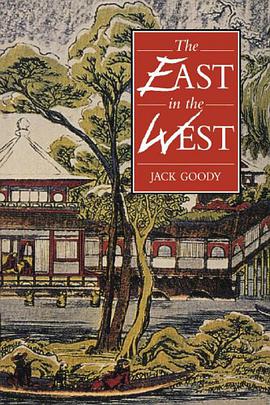
The East in the West
Douban
Jack Goody publishing house: 劍橋大學出版社 1996 - 5
The East in the West reassesses Western views of Asia. Traditionally many European historians and theorists have seen the societies of the East as 'static' or 'backward'. Jack Goody challenges these assumptions, beginning with the notion of a special Western rationality which enabled 'us' and not 'them' to modernise. He then turns to book-keeping, which several social and economic historians have seen as intrinsic to capitalism, arguing that there was in fact little difference between East and West in terms of mercantile activity. Other factors said to inhibit the East's development, such as the family and forms of labour, have also been greatly exaggerated. This Eurocentrism both fails to explain the current achievements of the East, and misunderstands Western history. The East in the West starts to redress the balance, and so marks a fundamental shift in our view of Western and Eastern history and society.
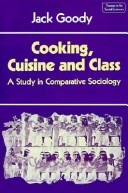
Cooking, Cuisine and Class
Douban
Jack Goody publishing house: 劍橋大學出版社 1996 - 6
The preparation, serving and eating of food are common features of all human societies, and have been the focus of study for numerous anthropologists - from Sir James Frazer onwards - from a variety of theoretical and empirical perspectives. It is in the context of this previous anthropological work that Jack Goody sets his own observations on cooking in West Africa. He criticises those approaches which overlook the comparative historical dimension of culinary, and other, cultural differences that emerge in class societies, both of which elements he particularly emphasises in this book. The central question that Professor Goody addresses here is why a differentiated 'haute cuisine' has not emerged in Africa, as it has in other parts of the world. His account of cooking in West Africa is followed by a survey of the culinary practices of the major Eurasian societies throughout history - ranging from Ancient Egypt, Imperial Rome and medieval China to early modern Europe - in which he relates the differences in food preparation and consumption emerging in these societies to differences in their socio-economic structures, specifically in modes of production and communication. He concludes with an examination of the world-wide rise of 'industrial food' and its impact on Third World societies, showing that the ability of the latter to resist cultural domination in food, as in other things, is related to the nature of their pre-existing socio-economic structures. The arguments presented here will interest all social scientists and historians concerned with cultural history and social theory.
The Theft of History
Douban
Jack Goody publishing house: 劍橋大學出版社 2007 - 1
Professor Jack Goody builds on his own previous work to extend further his highly influential critique of what he sees as the pervasive eurocentric or occidentalist biases of so much western historical writing. Goody also examines the consequent 'theft' by the West of the achievements of other cultures in the invention of (notably) democracy, capitalism, individualism, and love. The Theft of History discusses a number of theorists in detail, including Marx, Weber and Norbert Elias, and engages with critical admiration western historians like Fernand Braudel, Moses Finlay and Perry Anderson. Major questions of method are raised, and Goody proposes a new comparative methodology for cross-cultural analysis, one that gives a much more sophisticated basis for assessing divergent historical outcomes, and replaces outmoded simple differences between East and West. The Theft of History will be read by an unusually wide audience of historians, anthropologists and social theorists.