Hansen_Valerie
丝绸之路新史
The Silk Road : A New History Douban
★ 9.0 26 ratings
[美]芮乐伟·韩森(Valerie Hansen) translator: 张湛 publishing house: 北京联合出版公司·后浪出版公司 2015 - 8
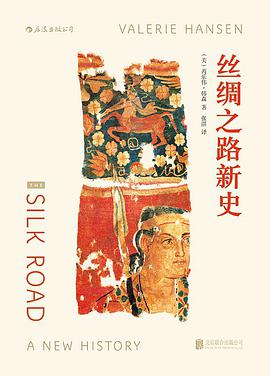
【名人推荐】 丝绸之路是一条传说中在中古时期横穿欧亚大陆中心的商路,韩森的《丝绸之路新史》是对这个话题最可读和最可信赖的历史描述。作者在原始文献和优秀学术成果的基础上,使用了大量一手调查资料以及对馆藏文物的广泛研究。本书插图精美,前所未有地生动展现了在中亚绿洲间行走的商人 与驮兽,他 们运载着商品、思想、艺术、音乐和宗教。 ——梅维恒(Victor H. Mair) 美国宾夕法尼亚大学亚洲及中东研究系教授、敦煌学专家 这本书语言生动易读,同时内容非常丰富前沿。从各方面来说都非常成功。 ——魏义天(Etienne de la Vaissière) 法国巴黎社会科学高等研究学院中亚中古社会史教授 人们传统上对丝绸之路的印象是“笔直而通畅”,韩森颠覆了这个印象,以及丝绸非常重要的观念。相反,她详细展现了七个中亚绿洲的生活、历史与文化,让我们了解使用中文、俄语、日语及其他语种写作的学者的研究成果。她完成了一项盛举。 ——吴芳思(Frances Wood) 大英图书馆前中文部主任、国际敦煌项目指导委员会成员 尽管渊博而迷人,本书并非一部丝绸之路的罗曼史。韩森挑战了人们对这个中亚十字路口的惯常描述。她发现当地居民主要处于维持生计和以物易物的状态,而非从事大规模的长途商业贸易; 她发现中国军队在把丝绸带到丝绸之路上扮演着重要角色,而非商人。尽管她揭露了真相,这片地区却显得更加迷人。她巧妙地将古籍记述以及对丝绸之路的现代勘测结合起来,使那段历史栩栩如生,尤其是公元1000 年左右伊斯兰统治这片区域之前此地多元宽容的宗教氛围。这是一本让你读完就背上行囊出发的书! ——滕华瑞(Gray Tuttle) 美国哥伦比亚大学东亚语言和文化所教授、现代西藏研究专家 【内容简介】 在世界历史上,丝绸之路是一个著名符号。但它实际上是什么样子的?在人们对它的想象中,一般是这样一幅朦胧景象:驮着丝绸的骆驼商队在尘土飞扬的沙漠中穿行,在中国与罗马之间络绎不绝。本书将要为你揭示,现实的情况与此大相径庭,而且远远比这副景象有趣得多。 本书通过大量惊人的考古发 现,彻底改变了人们对这条商路的惯常理解。几个世纪以来,尽管大量关键材料仍然尚未发掘,但是塔克拉玛干沙漠已经出土了许多迷人的东西。既有官员刻意埋藏保存的文书,也有目不识丁的当地居民利用官方文书做成的鞋垫和寿衣。作者探讨了丝路上从长安到撒马尔罕的七座绿洲,那里聚集着商人、使节、朝圣者和旅客,信仰着从佛教到祆教的不同宗教,有着非常宽容的国际化氛围。 本书试图告诉读者,从来没有一条单一的连续的丝绸之路,有的只是东西方之间的一连串市场。中国和罗马之间几乎没有直接的贸易活动,中国的主要贸易伙伴是今天伊朗地区的居民。丝绸并不是这些商路上最重要的商品,中国发明的纸张对欧洲产生了更大的影响,而金属、香料和玻璃与丝绸一样重要。相比之下,这些商路上传播的思想、技术和艺术图案具有更大的意义。 总而言之,本书综合利用中、英、法、德、日、俄六种语言的前沿研究成果,讲述了一个有关考古发现、文化传播以及中亚与中国之间互动的迷人故事。
The Silk Road
Douban
Valerie Hansen publishing house: Global Oriental 2012 - 3
This is the first of two collections by top scholars working on the history of the Silk Road. This collection s main focus is the first millennium CE when the Silk Road trade was at its height. Most of the entries are organized chronologically and geographically, concentrating on the sites (like Niya and Loulan) which flourished in the third and fourth centuries, then Turfan and Samarkand (500-800), and closes with the period after 800, when Tang China withdrew its troops from the region and the local peoples reverted to a largely barter economy. Coverage ends in 1000, when the first cities on the western edge of the Taklamakan converted to Islam. Introductory texts provide general overviews of the trade (including classic pre- and post-war studies), followed by a brief survey of the ancient trade routes. Of particular interest in this collection are the Silk Road s most famous group of travellers, the Sogdians, a people from the region of Samarkand (in today's Uzbekistan) thanks to Chinese archaeologists who have recently uncovered several tombs that allow us to see how the Sogdians gradually adjusted to Chinese culture, decorating their tombs with detailed scenes of everyday life.
The Silk Road
Douban
Valerie Hansen publishing house: Oxford University Press 2012 - 8
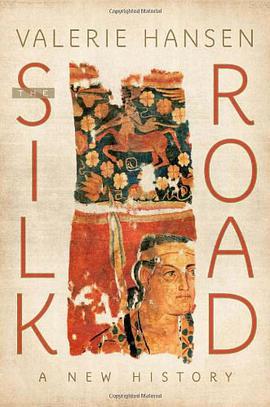
The Silk Road is as iconic in world history as the Colossus of Rhodes or the Suez Canal. But what was it, exactly? It conjures a hazy image of a caravan of camels laden with silk on a dusty desert track, reaching from China to Rome. The reality was different, and far more interesting, as revealed in this new history. In The Silk Road, Valerie Hansen describes the remarkable archaeological finds that revolutionize our understanding of these trade routes. For millennia, key records remained hidden--often deliberately buried by bureaucrats for safe keeping. But the sands of the Taklamakan Desert have revealed fascinating material, sometimes preserved by illiterate locals who recycled official documents to make insoles for shoes or garments for the dead. Hansen explores seven oases along the road, from northwest China to Samarkand, where merchants, envoys, pilgrims, and travelers mixed in cosmopolitan communities, tolerant of religions from Buddhism to Zoroastrianism. Hansen notes that there was no single, continuous road, but a chain of markets that traded between east and west. China and the Roman Empire had very little direct trade. China's main partners were the peoples of modern-day Iran, whose tombs in China reveal much about their Zoroastrian beliefs. Hansen writes that silk was not the most important good on the road; paper, invented in China before Julius Caesar was born, had a bigger impact in Europe, while metals, spices, and glass were just as important as silk. Perhaps most significant of all was the road's transmission of ideas, technologies, and artistic motifs. The Silk Road is a fascinating story of archeological discovery, cultural transmission, and the intricate chains across Central Asia and Southeast Asia.