Miller_Arthur
萨勒姆的女巫
The Crucible Douban
★ 9.2 37 ratings
[美] 阿瑟·米勒 translator: 梅绍武 publishing house: 上海译文出版社 2011 - 4
《萨勒姆的女巫》首演于一九五三年。剧本根据一六九二年到一六九三年之间,在北美马萨诸塞州萨勒姆镇发生的一起迫害“行巫者”的案件写作而成。 剧本开头,萨勒姆地区的牧师巴里斯的女儿贝蒂和伙伴跳舞时受到惊吓,导致神志恍惚,一病不起。与此同时,镇上普特南夫妇的女儿萝丝也病倒了。乡镇里于是谣传出现了巫术。 巴里斯的侄女阿碧格也是跳舞的姑娘中的一个,她在普洛克托家做女仆,因为勾引男主人,被女主人赶出家门。她对普洛克托大嫂怀恨在心。参与跳舞的姑娘担心被当成女巫,在阿碧格带领下,交代说自己看见很多人和魔鬼在一起。遭到诬陷的人都被关进了监狱,那些跳舞的姑娘摇身变成了圣徒,阿碧格更是趁机想要陷害普洛克托大嫂。 后来,遭到诬陷的人被判处绞刑,普洛克托下定决心说出他和阿碧格的私情,试图以此阻止她的阴谋,却反而因此害了妻子。普洛克托家的女仆玛丽•沃伦良心发现,在法庭上翻供,却在副总督丹佛斯、哈桑法官、巴里斯和阿碧格带领的姑娘们的共同威吓下,又收回供词,反而一口咬定普洛克托给魔鬼干活。 普洛克托被关进监狱,在生命受到威胁之下,他决定招认自己和魔鬼打交道,但副总督却强求他公开忏悔,并且供出其他和魔鬼在一起的人。普洛克托无法违背自己的良心,不愿以出卖朋友、出卖灵魂为代价换取屈辱的生存,最后毅然走上绞刑架。
阿瑟・米勒手记
Salesman'in Beijing Arthur Miller Douban
★ 9.2 6 ratings
[美] 阿瑟·米勒 translator: 汪小英 publishing house: 新星出版社 2010 - 7
阿瑟•米勒第一次来中国是在1978年,那时中国刚刚向世界重新开放,他和妻子英格•莫拉斯以旅游者的身份前来。他们一起记录着看到的人事,他写下了很多文字,莫拉斯则拍了很多照片。这些文字和照片很快成为了一本《遭遇中国》。1983年他们第二次来中国,还是两人同行(这次加上了女儿瑞贝卡,她后来成为电影导演),还是用笔、用相机一起记录着中国。但这次,他们不再是旅游者的身份,米勒受邀为北京人民艺术剧院导演《推销员之死》。5月,《推销员之死》在北京公演,大为轰动,几乎成为“乒乓外交”,中美关系解冻之后两国戏剧交流史上最重要的事件。 这本书是以米勒1983年的排练日记为基础写成的。在“缘起”中米勒写道:“1983年春,我每天早上九点到中午、晚上七点到十点导演这出戏,下午则写日记。我把自己的搬弄事非、误解和错误的判断都原封不动地留在这里。在那两个月里,我兴奋地、努力地工作,以独特的角度观察着中国。”“记录的谈话显示出,我们大家正尝试着感受一个从未到过的未知国度:对他们来说,是想象中的威利•洛曼的美国;对我而言,则是中国式的布鲁克林。” 如果说这本日记有一个主题,或者说米勒对中国的观察有一个结论,那也许可以表述为下面这段话(1991年再版本序言的最后一段):“古老的中国不会倒下,她会沿着曲折的历史道路继续前进——时而是世界的师表,时而是笨拙而固执的学生。《推销员之死》排演之时,正赶上中国大有希望的急剧发展的波峰。本书的记录只是惊鸿一瞥,反映了一些平常中国人的心境;从某种意义上说,他们也是我们这个时代的悲剧中的演员。”
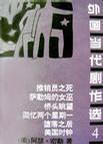
外国当代剧作选4
Douban
[美]阿瑟·密勒 publishing house: 中国戏剧出版社 1992 - 2
推销员之死 萨勒姆的女巫 桥头眺望 回忆两个星期一 堕落之后 美国时钟
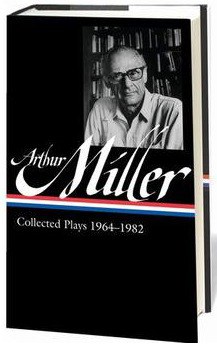
Arthur Miller
Douban
阿瑟·艾许·米勒 publishing house: Library of America 2012 - 2
Arthur Miller: Collected Plays—the second volume in the definitive Library of America edition of the works of the essential American dramatist—presents fourteen memorable plays, from Broadway hits to previously unpublished rarities, offering an unprecedented look at Miller's extraordinary middle phase. The volume opens with After the Fall (1964), Miller's much-anticipated return to the theater after an eight-year hiatus. An imaginative tour de force that unfolds within the mind of its main character, Quentin, the play struck some viewers as scandalous for its apparent revelations about Miller's marriage to the late Marilyn Monroe. Incident at Vichy (1964) dramatizes the roundup of Jews in Vichy France during World War II in a vivid and harrowing single act. The Price (1968)—Miller's biggest Broadway success since Death of a Salesman—portrays the relationship between two brothers, a successful surgeon and a struggling policeman, as they negotiate the sale of their dead father's belongings. Like The Creation of the World and Other Business (1972), a "catastrophic comedy" about Adam, Eve, and original sin updated for modern times, the witty Up from Paradise (1974) treats characteristically grand themes in what was for Miller an uncharacteristically comedic and musical vein. Taken together, the plays in this collection trace the remarkable, evolving range of Miller's genius as he experimented with new forms and themes. The American Clock (1974), based on Studs Terkel's Hard Times, offers a broad, stirring panorama of American life during the Depression years. By contrast, The Archbishop's Ceiling (1977)—set in an ornate apartment in eastern Europe that may or may not be bugged—is as intricately plotted and psychologically complex as a spy thriller. Playing for Time (1980), a groundbreaking teleplay based on a firsthand account by a Holocaust survivor, tells the story of the Women's Orchestra of Auschwitz. Also included are several shorter one-act plays and dramatic sketches—The Reason Why (1970, published here for the first time), Fame (1970), The Poosidin's Resignation (1976), I Think About You a Great Deal (1982), Elegy for a Lady (1982), and Some Kind of Love Story (1982). A fifty-page selection of Miller's notes and essays on the plays—including a thoroughgoing critique of Method acting, never before published—rounds out the volume. Tony Kushner, editor, is one of America's most acclaimed playwrights. He has won the Pulitzer Prize for Drama (for Angels in America: Millennium Approaches), two Tony Awards for Best Play, two Obie Awards, and two Drama Desk Awards; his screenplay for the film Munich was nominated for an Academy Award. Kushner's writings have appeared in The New York Times, the Los Angeles Times, Newsweek, The Nation, and The Advocate.
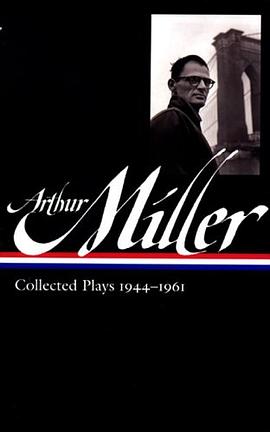
Arthur Miller
Douban
阿瑟·艾许·米勒 publishing house: Library of America 2006 - 2
In the inaugural volume of its collected edition of Miller's plays, The Library of America gathers the works from the 1940s and 1950s that electrified theatergoers and established Miller as one of the indispensable voices of the postwar era. Among the plays included are All My Sons , the story of an industrialist confronted with his moral lapses during World War II; Death of a Salesman , the wrenching tragedy of Willy Loman's demise; The Crucible , at once a riveting reconstruction of the Salem witch trials and a parable of McCarthyism; and A View from the Bridge , Miller's tale of betrayal among Italian immigrants in Brooklyn, presented here in both the original one-act and revised two-act versions. This volume also contains the intriguing early drama The Man Who Had All the Luck , the first of Miller's plays to be produced on Broadway, along with his adaptation of Ibsen's An Enemy of the People , the autobiographical one-act A Memory of Two Mondays , and Miller's novella The Misfits , based on the screenplay he wrote for Marilyn Monroe.
推销员之死
Douban Goodreads
★ 8.5 31 ratings
[美] 阿瑟·米勒 translator: 英若诚 / 梅绍武 … publishing house: 上海译文出版社 2008 - 7
《推销员之死》是米勒戏剧创作的巅峰之作,荣获普利策奖和纽约剧评界奖,为他赢得国际声誉。推销员威利·洛曼因年老体衰,要求在办公室里工作,却被老板辞退。威利懊丧之下,责怪两个儿子不务正业,一事无成。儿予反唇相讥,嘲笑他不过是个蹩脚的跑街罢了。老推销员做了一辈子的美梦,现在全都幻灭了,自尊心受到严重挫伤。他梦呓似的与他那已故的、在非洲发财致富的大哥争论个人爱好的事业,最后他为使家庭获得一笔人寿保险费,在深夜驾车外出撞毁身亡。该剧体现了米勒的悲剧现实化、生活化的特点,揭示了美国梦的真谛,告诫我们单纯地追求物质的富足并不能带来精神的自由和充实;否则,梦成虚妄,必然导致毁灭。本书为《推销员之死》、《萨勒姆的女巫》和《都是我的儿子》合集,是阿瑟·米勒代表剧作集。
Read Oct. 25, 2014
结合英文原文看了《推销员之死》。翻译一般。
Miller_Arthur
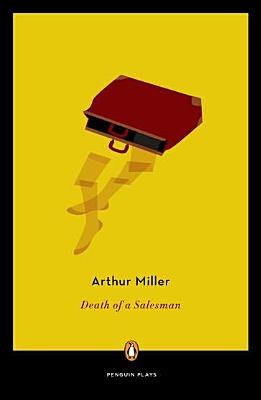
Death of a Salesman
Douban
阿瑟·艾许·米勒 publishing house: Penguin Books 1998 - 10
Book Description Arthur Miller seemed to capture the sometimes tragic plight of the common man with his Death of a Salesman. Bloom suggests the strength of the play is puzzling but beyond dispute, lying more in its presentation on stage than its written form. The play's continued vitality is unquestioned. The title, Arthur Miller’s Death of a Salesman, part of Chelsea House Publishers’ Modern Critical Interpretations series, presents the most important 20th-century criticism on Arthur Miller’s Death of a Salesman through extracts of critical essays by well-known literary critics. This collection of criticism also features a short biography on Arthur Miller, a chronology of the author’s life, and an introductory essay written by Harold Bloom, Sterling Professor of the Humanities, Yale University. Amazon.com Arthur Miller's 1949 Death of a Salesman has sold 11 million copies, and Willy Loman didn't make all those sales on a smile and a shoeshine. This play is the genuine article--it's got the goods on the human condition, all packed into a day in the life of one self-deluded, self-promoting, self-defeating soul. It's a sturdy bridge between kitchen-sink realism and spectral abstraction, the facts of particular hard times and universal themes. As Christopher Bigsby's mildly interesting afterword in this 50th-anniversary edition points out (as does Miller in his memoir, Timebends), Willy is closely based on the playwright's sad, absurd salesman uncle, Manny. But of course Miller made Manny into Everyman, and gave him the name of the crime commissioner Lohmann in Fritz Lang's angst-ridden 1932 Nazi parable, The Testament of Dr. Mabuse. The tragedy of Loman the all-American dreamer and loser works eternally, on the page as on the stage. A lot of plays made history around 1949, but none have stepped out of history into the classic canon as Salesman has. Great as it was, Tennessee Williams's work can't be revived as vividly as this play still is, all over the world. (This edition has edifying pictures of Lee J. Cobb's 1949 and Brian Dennehy's 1999 performances.) It connects Aristotle, The Great Gatsby, On the Waterfront, David Mamet, and the archetypal American movie antihero. It even transcends its author's tragic flaw of pious preachiness (which undoes his snoozy The Crucible, unfortunately his most-produced play). No doubt you've seen Willy Loman's story at least once. It's still worth reading. --Tim Appelo From Library Journal This 50th-anniversary edition of Miller's masterpiece, which certainly is a contender for the finest American drama of the 20th century, includes the full text of the play, a chronology of its productions, photos from various stagings including the current Broadway revival, and a new preface by Miller himself, all in a quality hardcover for a reasonable price. Bravo, Penguin. From The Merriam-Webster Encyclopedia of Literature A play in "two acts and a requiem" by Arthur Miller, written in 1948 and produced in 1949. Miller won a Pulitzer Prize for the work, which he described as "the tragedy of a man who gave his life, or sold it" in pursuit of the American Dream. After many years on the road as a traveling salesman, Willy Loman realizes he has been a failure as a father and husband. His sons, Happy and Biff, are not successful--on his terms (being "well-liked") or any others. His career fading, Willy escapes into reminiscences of an idealized past. In the play's climactic scene, Biff prepares to leave home, starts arguing with Willy, confesses that he has spent three months in jail, and mocks his father's belief in "a smile and a shoeshine." Willy, bitter and broken, his illusions shattered, commits suicide. Book Dimension length: (cm)19.7                 width:(cm)12.8

Read
Oct. 21, 2014
ফেরিওয়ালার মৃত্যু
Miller_Arthur
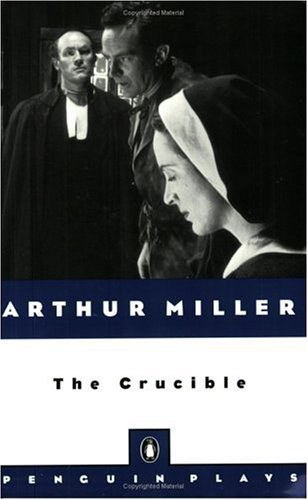
The Crucible
Douban
阿瑟·艾许·米勒 publishing house: Penguin 2002 - 11
Arthur Miller's The Crucible is a play based on the actual events in 1692 that led to the Salem Witch Trials, a series of hearings before local magistrates to prosecute over 150 people accused of witchcraft in colonial Massachusetts between February 1692 and May 1693.