Murthy_Viren
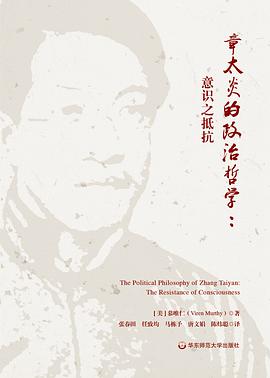
章太炎的政治哲学
The Political Philosophy of Zhang Taiyan Douban
[美] 慕唯仁(Viren Murthy) translator: 张春田 / 任致均 … publishing house: 华东师范大学出版社 2018 - 6
章太炎的著作博大精深,极为复杂,更为重要的是,他的著作揭示了中国与全球现代性中普遍存在的经验:新与旧同在、民族特殊性与超验普世性并举。 本书聚焦于近代国学大师、思想家、革命家章太炎的著作和思想,并且是在中国受到全球资本主义现代性冲击的社会背景下考察章太炎著作的意涵。 作者慕唯仁作为研究汉学的西方学者,不同于通行的以训诂和语义为基础的研究,而是以其独特而新颖的视角,抽取“抵抗”作为本书研究的关键词,将章太炎著述和思想置于西方哲学和晚清思想的对话语境之下,从这个意义上说,本书对于那些研究晚清思想史的中国学者而言,具有学术意义和参考价值。
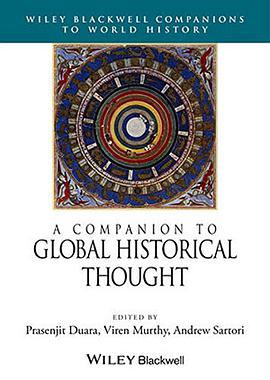
A Companion to Global Historical Thought
Douban
Prasenjit Duara / Viren Murthy … publishing house: Wiley-Blackwell 2014 - 3
A Companion to Global Historical Thought provides an overview of the development of historical thinking from the earliest times to the present, directly addressing issues of historiography in a globalized context. Questions concerning the global dissemination of historical writing and the relationship between historiography and other ways of representing the past have become important not only in the academic study of history, but also in public arenas in many countries. With contributions from leading international scholars, the book considers the problem of "the global" – in the multiplicity of traditions of narrating the past; in the global dissemination of modern historical writing; and of "the global" as a concept animating historical imaginations. It explores the different intellectual approaches that have shaped the discipline of history, and the challenges posed by modernity and globalization, while illustrating the shifts in thinking about time and the emergence of historical thought. Complementing the Companion to Western Historical Thought, this book places non-Western perspectives on historiography at the center of discussion, helping scholars and students alike make sense of the discipline at the start of the twenty-first century.
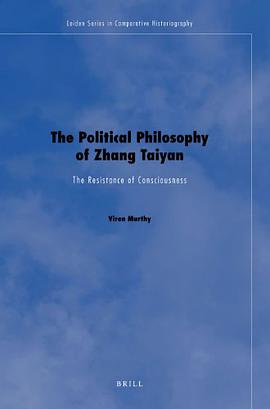
The Political Philosophy of Zhang Taiyan
Douban
Viren Murthy publishing house: Brill 2011 - 2
Zhang Taiyan (1868-1936) is famous for being one of the first thinkers in China to promote revolution in the early twentieth century. Scholars have addressed Zhang’s revolutionary and nationalist thought, but until this work there has not been any sustained engagement with Zhang’s Buddhist writings which aimed to understand and criticize the world from the perspective of consciousness. These philosophical works are significant because they exemplify how, as Chinese intellectuals entered the global capitalist world, they constantly tried to find resources to create an alternative. As the author argues in the conclusion, this desire to create an alternative to capitalism remained throughout twentieth century China and continues today in the works of critical intellectuals such as Wang Hui. Thus this work is important not only to understand our past, but to hope for a better future.