Naquin
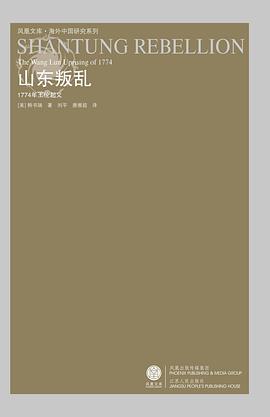
山东叛乱
Shantung Rebellion: The Wang Lun Uprising of 1774 Douban
[美] 韩书瑞 translator: 刘平 / 唐雁超 publishing house: 江苏人民出版社 2008 - 8
1774年秋,山东西南地区数千名男女跟着一个名叫王伦的宗教首领,发动了一场起义。依仗着可以护身、躲避枪炮的咒语,这些白莲教叛乱者杀了三个县的地方官员,并占领了具大运河畔具有战略意义的城市——临清,最后,起义者被清政府彻底镇压。 韩书瑞运用了目击者的叙述、叛乱者的口供及官方奏报来探究王伦组织的背景和叛乱的过程。她分析了白莲教在清代社会中的作用,并说明了其分支教派清水教是如何为住在各处的信徒提供成就感和群体感的。在研究了那个时代的社会、经济、政治和军事状况之后,她提出,起义的原因更多地是源自教派组织和千禧年信仰的动力,而不是社会本身的危机。
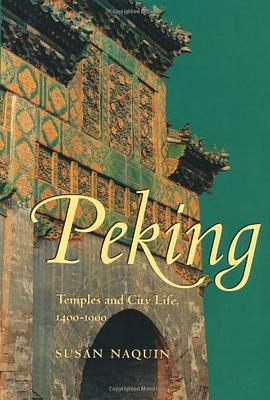
Peking
Douban
Susan Naquin publishing house: University of California Press 2000
The central character in Susan Naquin's extraordinary new book is the city of Peking during the Ming and Qing periods. Using the city's temples as her point of entry, Naquin carefully excavates Peking's varied public arenas, the city's transformation over five centuries, its human engagements, and its rich cultural imprint. This study shows how modern Beijing's glittering image as China's great and ancient capital came into being and reveals the shifting identities of a much more complex past, one whose rich social and cultural history Naquin splendidly evokes. Temples, by providing a place where diverse groups could gather without the imprimatur of family or state, made possible a surprising assortment of community-building and identity-defining activities. By revealing how religious establishments of all kinds were used for fairs, markets, charity, tourism, politics, and leisured sociability, Naquin shows their decisive impact on Peking and, at the same time, illuminates their little-appreciated role in Chinese cities generally. Lacking most of the conventional sources for urban history, she has relied particularly on a trove of commemorative inscriptions that express ideas about the relationship between human beings and gods, about community service and public responsibility, about remembering and being remembered. The result is a book that will be essential reading in the field of Chinese studies for years to come.