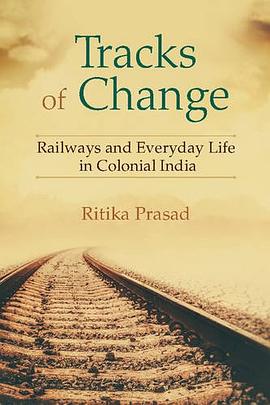
Tracks of Change
DoubanFrom the mid-nineteenth century onwards, railways became increasingly important in the lives of a growing number of Indians. While allowing millions to collectively experience the endemic discomforts of third-class travel, the public opportunities for proximity and contact created by railways simultaneously compelled colonial society to confront questions about exclusion, difference, and community. It was not only passengers, however, who were affected by the transformations that railways wrought. Even without boarding a train, one could see railway tracks and embankments reshaping familiar landscapes, realise that train schedules represented new temporal structures, fear that spreading railway links increased the reach of contagion, and participate in new forms of popular politics focused around railway spaces. Tracks of Change explores how railway technology, travel, and infrastructure became increasingly woven into everyday life in colonial India, how people negotiated with the growing presence of railways, and how this process has shaped India's history.