Pigs for the Ancestors
Douban
Rappaport
publishing house:
Yale University Press
1984
- 7
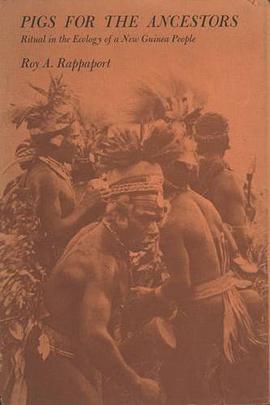
The Tsembaga Maring are a group of slash-and-burn farmers occupying a small territory on the northern slopes of the Central Highlands of New Guinea. Taking them to be part of a complex ecological system which includes their human neighbors as well as the flora and fauna with which they share their territory, Rappaport argues that their elaborate ritual cycle, which ostensibly refers to spirits, in fact operates as a homeostatic mechanism regulating the size of the pig population, acreage in cultivation, fallow periods, energy expenditure in subsistence activities, protein ingestion, man-land rations, and the frequency of fighting. The sustained functional analysis relies upon quantitative data and shows how, when, and to what degree cultural and noncultural variables affect one another. The findings challenge the view that religious rituals have no effect upon the external world as well as the assumption that ecological studies of human groups require an analytical framework fundamentally different from those employed in the study of other animals. This study not only fills a gap in New Guinea ethnography but also constitutes a major contribution to ecological anthropology, the study of religion, and functional analysis.