Scott_James_C
国家的视角(修订版)
Seeing Like a State : How Certain Schemes to Improve the Human Condition Have Failed Google Books Douban
[美国] 詹姆斯·C·斯科特 translator: 王晓毅 publishing house: 社会科学文献出版社 2011 - 1
20世纪改变人类状况的大型项目为什么出现如此多的错误?这本《国家的视角(那些试图改善人类状况的项目是如何失败的修订版)》的作者詹姆斯·C.斯科特分析了极端现代主义的独裁主义国家规划中的各种失败——俄国的集体化、巴西利亚的建设、强制的坦桑尼亚乌贾玛村庄等等,揭示了导致所有这些规划灾难的共同条件。《国家的视角(那些试图改善人类状况的项目是如何失败的修订版)》认为,这些失败教育我们,如果要想取得成功,中央管理的社会规划必须要了解地方习惯和实践知识。

Read Dec. 8, 2019
二读 | 1.对自然和社会的管理制度 2.极端现代化意识形态 3.读才主义国家 4.软弱的公民社会
Scott_James_C
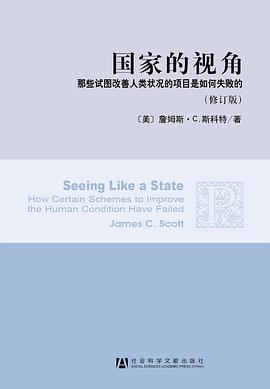
国家的视角
Seeing Like a State: How Certain Schemes to Improve the Human Condition Have Failed Douban
★ 8.3 11 ratings
[美国] 詹姆斯·C·斯科特 translator: 王晓毅 publishing house: 社会科学文献出版社 2004 - 11
19~20世纪是人类最为辉煌的时期,人类的能力被各种科学大大地扩张了,他们不仅不断地征服自然,也在不断地征服自己。但是到了20世纪末期人们突然发现,在那些引以为自豪的项目背后,居然是人类巨大的灾难。斯科特在《国家的视角》中阐述了许多失败的项目,从德国的科学林业到苏联的农业;从巴西的城市到坦桑尼亚的村庄,每一个项目都很辉煌,但是带给人们的却是巨大的灾难。项目可能是一个很含糊的词汇,斯科特在书中用了另外一个术语——社会工程——更直接地传达了这些项目的特征。
Read
Feb. 20, 2019
170304 | Human hubris at the expense of the subjectivity of others
Scott_James_C
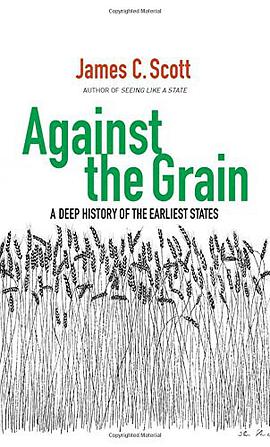
Against the Grain
Douban Goodreads
James C. Scott publishing house: Yale University Press 2017 - 8
Why did humans abandon hunting and gathering for sedentary communities dependent on livestock and cereal grains, and governed by precursors of today’s states? Most people believe that plant and animal domestication allowed humans, finally, to settle down and form agricultural villages, towns, and states, which made possible civilization, law, public order, and a presumably secure way of living. But archaeological and historical evidence challenges this narrative. The first agrarian states, says James C. Scott, were born of accumulations of domestications: first fire, then plants, livestock, subjects of the state, captives, and finally women in the patriarchal family—all of which can be viewed as a way of gaining control over reproduction. Scott explores why we avoided sedentism and plow agriculture, the advantages of mobile subsistence, the unforeseeable disease epidemics arising from crowding plants, animals, and grain, and why all early states are based on millets and cereal grains and unfree labor. He also discusses the “barbarians” who long evaded state control, as a way of understanding continuing tension between states and nonsubject peoples.