Sinha_Mrinalini
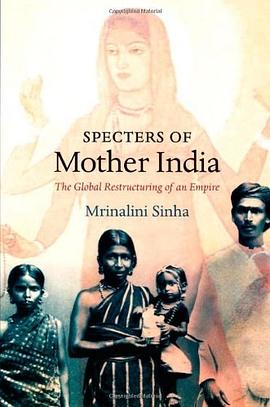
Specters of Mother India
Douban
Mrinalini Sinha publishing house: Duke University Press Books 2006 - 7
"Specters of Mother India" tells the complex story of one episode that became the tipping point for an important historical transformation. The event at the centre of the book is the massive international controversy that followed the 1927 publication of "Mother India", an expose written by the American journalist Katherine Mayo. "Mother India" provided graphic details of a variety of social ills in India, especially those related to the status of women and to the particular plight of the country's child wives. According to Mayo, the roots of the social problems she chronicled lay in an irredeemable Hindu culture that rendered India unfit for political self-government."Mother India" was reprinted many times in the United States, Great Britain, and India; it was translated into more than a dozen languages; and it was reviewed in virtually every major publication on five continents. Sinha provides a rich historical narrative of the controversy surrounding "Mother India", from the book's publication through the passage in India of the Child Marriage Restraint Act in the closing months of 1929. She traces the unexpected trajectory of the controversy as critics acknowledged many of the book's 'facts' only to overturn its central premise. Where Mayo located blame for India's social backwardness within the beliefs and practices of Hinduism, the critics laid it at the feet of the colonial state, which they charged impeded necessary social reforms. As Sinha shows, this event became a catalyst for some far-reaching changes, including a reconfiguration of the relationship between the political and social spheres in colonial India and the coalescence of a collective identity for women.

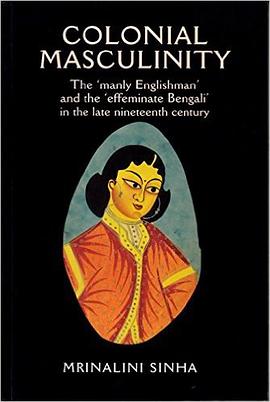
Colonial Masculinity
Douban
Mrinalini Sinha publishing house: Manchester University Press 1995 - 7
Read
May 23, 2020
Colonial masculinity as a historical phenomenon responding to the economic, political, and cultural shifts in the imperial social formation in the late nineteenth century; metropole and colony co-constitute & co-participate in this discursive formation in various contexts within the same historical process of changing global political economy
Sinha_Mrinalini
Specters of Mother India
Douban
Mrinalini Sinha publishing house: Duke University Press Books 2006 - 7
"Specters of Mother India" tells the complex story of one episode that became the tipping point for an important historical transformation. The event at the centre of this book is the massive international controversy that followed the 1927 publication of "Mother India", an expose written by the American journalist Katherine Mayo. "Mother India" provided graphic details of a variety of social ills in India, especially those related to the status of women and to the particular plight of the country's child wives. According to Mayo, the roots of the social problems she chronicled lay in an irredeemable Hindu culture that rendered India unfit for political self-government. "Mother India" was reprinted many times in the United States, Great Britain, and India. It was translated into more than a dozen languages and was reviewed in virtually every major publication on five continents. Sinha provides a rich historical narrative of the controversy surrounding "Mother India", from the book's publication through the passage in India of the Child Marriage Restraint Act in the closing months of 1929. She traces the unexpected trajectory of the controversy as critics acknowledged many of the book's 'facts' only to overturn its central premise. Where Mayo located blame for India's social backwardness within the beliefs and practices of Hinduism, the critics laid it at the feet of the colonial state, which they charged impeded necessary social reforms. As Sinha shows, this event became a catalyst for some far-reaching changes, including a reconfiguration of the relationship between the political and social spheres in colonial India and the coalescence of a collective identity for women.

Colonial Masculinity
Douban
Mrinalini Sinha publishing house: Manchester University Press 1995 - 10
Colonial masculinity places masculinity at the centre of colonial and nationalist politics in the late 19th century in India. Mrinalini Sinha situates the analysis very specifically in the context of an imperial social formation, examining colonial masculinity not only in the context of social forces within India, but also as framed by and framing political, economic, and ideological shifts in Britain.