Sontag
重生:桑塔格日记与笔记1947~1963
Douban
[美] 里夫
/
[美国] 苏珊·桑塔格
translator:
姚君伟
publishing house:
上海译文出版社
2013
- 4
桑塔格日记首次公开出版;一部宛如浓缩的欧美断代文化史的名人日记
自《反对阐释》开始,每一本桑塔格著作的问世,都是美国一次重大的文化事件。这种现象,甚至到桑塔格死后都在延续。许多有关她生平逸事的著作在她逝世后陆续出版,而所有这些在桑塔格身后出版的著作中,当属桑塔格日记的出版最令人期待与激动。苏珊•桑塔格身后留下了近100个日记、笔记本。
2008年12月,在她去世4年后,由其子戴维•里夫亲自整理的三卷本桑塔格日记首卷《重生》出版,世人终于得以窥见私人日记中那个真我的女斗士。
1947至1963年,这16年,正是桑塔格从一个花季少女成长为一个青年作家以及单身母亲所走过的历程。其生命的中心内容就是不顾一切地去经历:如饥似渴地去阅读,竭尽全力地去理解。日记中的内容都是高密度的、省略性的、跳跃性的,有大量的摘抄、无穷无尽的书单、关于写作的想法、与不同时期友人的关系,以及详尽的自我分析。
On Photography
Douban
Susan Sontag
publishing house:
Picador
2001
- 8
Winner of the National Book Critics' Circle Award for Criticism.
One of the most highly regarded books of its kind, On Photography first appeared in 1977 and is described by its author as “a progress of essays about the meaning and career of photographs.” It begins with the famous “In Plato’s Cave”essay, then offers five other prose meditations on this topic, and concludes with a fascinating and far-reaching “Brief Anthology of Quotations.”
恩主
Douban
[美国] 苏珊·桑塔格
translator:
姚君伟
publishing house:
译林出版社
2004
- 5
在《恩主》中,桑塔格对梦境、幻觉情有独钟,让读者看到了作为主人公及叙述者的“我”的梦里人生。在这部篇幅不长的叙述作品中,“我”一共做了十三个梦,这还不包括这些梦的不同版本,而“我”差不多就在做梦和释梦中度过了六十一年的人生。因为父亲忙生意,姐姐嫁人,母亲去世,“我”从小就备尝孤独的滋味,并养成了耽于沉思的习惯。在省城读到大三,因发表一篇小题大作的哲学论文而退学,并进入一对中年夫妇——安德斯夫妇——的社交圈。沙龙搞得热热闹闹,“我”虽置身其间,但仍痴迷于自己的思考,并感觉自己踏上了一次精神之旅。然后,开始做梦,先是“两个房间之梦”。梦里的“我”表现出本人的某些性格特征——狡黠的谦卑,动辄产生羞耻感、哀求、害怕的样子,想与梦里压迫“我”、支派“我”的人讲和、套磁儿,等等。接着,“我”开始释梦,并请人帮着释梦。同样的梦中人出现在不同的梦里,如沙龙女主人安德斯太太,在梦里,她一会儿拒绝“我”的要求,一会儿又给“我”投怀送抱。“我”做的这些梦名堂很大,内容各异,包括“我”梦醒之后命名的“非常派对之梦”、“宗教梦”、“老资助人之梦”、“钢琴课之梦”、“镜子之梦”、“红枕头之梦”、“破窗之梦”、“泥鞋子之梦”、“军火库之梦”、“文学梦”、“木偶之梦”,如此等等,不一而足。
最为有趣的是,“我”在梦和日常生活之间搭起桥梁,也因此品尝到了内在生活的滋味。内在生活改变了“我”对他人的态度,梦指导并改变我的日常生活。过着这种亦梦亦真、合二为一的梦生活,“我”充满活力。在梦的导引下,“我”勾引安德斯太太,乘她丈夫出差在外的机会与她私奔。“我”和她在一座阿拉伯城尽情玩乐,而后慷慨地把她卖给一个阿拉伯商人。依稀是两年后吧,她伤痕累累、可怜兮兮地回来。“梦”指示“我”杀死她,可“我”没有成功,因为她坚不可摧。“我”把父亲留下的房子赠给她,等等。梦境和幻想在《恩主》中,似乎不仅起到了展开情节的作用,它们倒更像是小说中的主角儿,梦一个接一个地做,而且,“梦中复有梦中梦”,居然还有了自己的生命和逻辑。梦境和幻觉呈现出处于自我感知、自我探索之中的“我”的困惑和孤独,“我”内在的心灵世界由此也得到真实的再现。
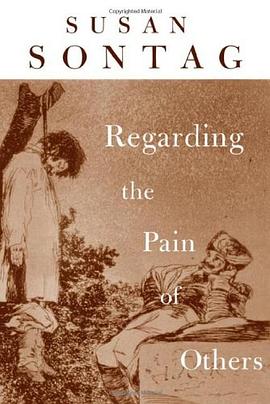
Regarding the Pain of Others
Douban
Susan Sontag
publishing house:
Farrar, Straus and Giroux
2002
- 2
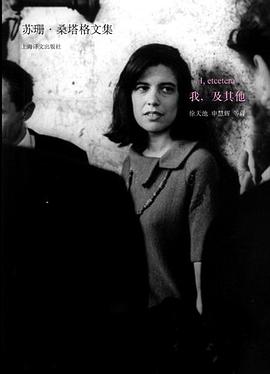
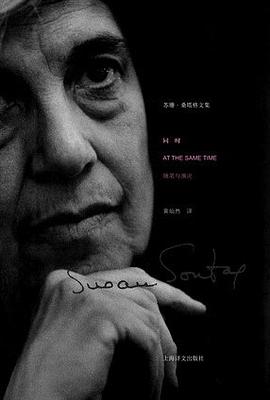
同时
Douban
[美国] 苏珊·桑塔格
translator:
黄灿然
publishing house:
上海译文出版社
2009
- 1
《同时》是桑坦格的“最后一部”随笔集,她的“最后一本书”。书名取自苏珊·桑坦最后一次演说的标题。
内容分为三部分,第一部分以夹叙夹论的方式详细介绍现代欧洲文学种几部被忽略的杰作。第二部分是时事评论。由于桑塔格写作这些评论文章的期间,正是美国外交政策急转弯和世界局势动荡的时期,作者当时对局势的尖锐评估和对布什政府的猛烈抨击现在回顾起来是极具预见性的,而对阿布格莱布监狱囚犯事件的犀利剖析并不只是局限于事件本身,而是秉承作者两部有关摄影专著(《论摄影》和《关于他人的痛苦》)的洞察力、对美国暴力文化提出严厉的批判。但更重要的还不是她简介的准确,而是她在恶劣环境中对知识分子的独立性的坚守。第三部分是演说稿,这些讲稿是桑塔格一生写作与行动的融通、是随笔家,小说家、公共知识分子、行动主义者这些是她从一开始就具备但常常泾渭分明的角色的重叠、浸透和深化。可以说,她的一生在理论上赞扬的、在实践中都做到了:她以她那“内省的能量、热情的求知、自我牺牲的准则和巨大的希望”、以她“从一生深刻而漫长地接触美学所获得的智慧”、以她的“勇气与抵抗”、以她的“道德考量”、而最终使她成为了了“自己的仰慕者”。
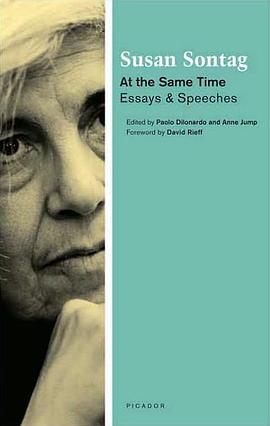
At the Same Time
Douban
Susan Sontag
publishing house:
Picador
2007
Sontag's incisive intelligence, expressive brilliance, and deep curiosity about art, politics, and the writer's responsibility to bear witness have secured her place as one of the most important thinkers and writers of the twentieth century.
At the Same Time gathers sixteen essays and speeches written in the last years of Sontag's life, when her work was being honored on the international stage. She writes of the freedom of literature, about courage and resistance, and fearlessly addresses the dilemmas of post-9/11 America, from the degradation of our political rhetoric to the appalling torture of prisoners in Abu Ghraib.
David Rieff describes his mother's passion in his foreword: "She wanted to experience everything, taste everything, go everywhere, do everything. Indeed, if I had only one word with which to evoke her, it would be avidity. . . . I think that, for her, the joy of living and the joy of knowing really were one and the same."
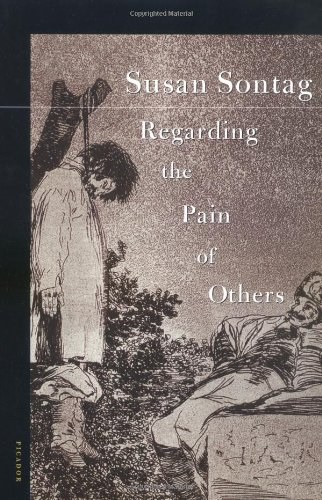
Regarding the Pain of Others
Douban
Susan Sontag
publishing house:
Picador
2004
- 2
One of the distinguishing features of modern life is that it supplies countless opportunities for regarding (at a distance, through the medium of photography) horrors taking place throughout the world. Images of atrocities have become, via the little screens of the television and the computer, something of a commonplace. But are viewers inured -- or incited -- to violence by the depiction of cruelty? Is the viewer's perception of reality eroded by the daily barrage of such images? What does it mean to care about the sufferings of people in faraway zones of conflict?
Susan Sontag's now classic book On Photography defined the terms of this debate twenty-five years ago. Her new book is a profound rethinking of the intersection of "news" art, and understanding in the contemporary depiction of war and disaster. She makes a fresh appraisal of the arguments about how pictures can inspire dissent, foster violence, or create apathy, evoking a long history of the representation of the pain of others . . .
http://www.susansontag.com/regardingpain.htm
read an excerpt
http://www.susansontag.com/regardingpainexcerpt.htm