Valmiki_Omprakash
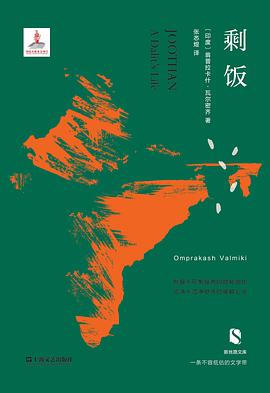
剩饭
Joothan Douban Goodreads
【印】翁普拉卡什•瓦尔密齐 translator: 张忞煜 publishing house: 上海文艺出版社 2019 - 3
《剩饭》史诗般展现了生活在印度社会最底层的达利特群体他们贫穷、悲惨和屈辱的人生体验。达利特终日过着食不果腹的生活,只有遇上重大节日才能将高种姓吃剩的食物打包回家;达利特又被称为“贱民”或“不可接触者”,被认为是一群不洁的人,备受社会方方面面排挤和侮辱。因此,如果把整个印度社会比作一桌丰盛的宴席,那么达利特就像是餐桌上的“残羹冷炙”,弃如敝屣、人人唾弃。奥姆普拉卡什•瓦尔密齐巧妙地利用象征的手法,以“剩饭”来象征这一贱民群体,表现了种姓制度的残酷冷血与达利特群体的悲惨无助。尽管出身卑贱,但在父母的坚持和鼓励下,瓦尔密齐得以走进校园,离开农村进入了城市生活,由此开拓了视野,增长了学识。虽然接连不断地受到来自所谓高种姓社会的讽刺和侮辱,但他心中的希望和斗争意识从未熄灭。他运用手中的笔杆,真实记录下贱民群体的悲惨世界,以此激发更广泛的人道主义和社会共鸣……
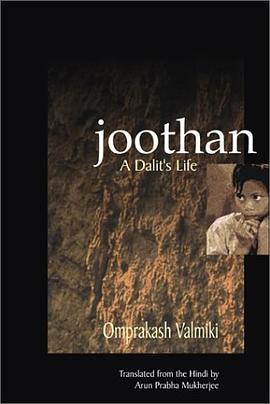
Joothan
Douban
Omprakash Valmiki translator: Arun Prabha Mukherjee publishing house: Columbia University Press 2003
Omprakash Valmiki describes his life as an untouchable, or Dalit, in the newly independent India of the 1950s. "Joothan" refers to scraps of food left on a plate, destined for the garbage or animals. India's untouchables have been forced to accept and eat joothan for centuries, and the word encapsulates the pain, humiliation, and poverty of a community forced to live at the bottom of India's social pyramid. Although untouchability was abolished in 1949, Dalits continued to face discrimination, economic deprivation, violence, and ridicule. Valmiki shares his heroic struggle to survive a preordained life of perpetual physical and mental persecution and his transformation into a speaking subject under the influence of the great Dalit political leader, B. R. Ambedkar. A document of the long-silenced and long-denied sufferings of the Dalits, Joothan is a major contribution to the archives of Dalit history and a manifesto for the revolutionary transformation of society and human consciousness.