van_de_Ven
潮来潮去
Breaking with the Past: The Maritime Customs Service and the Global Origins of Modernity in China Douban
[英] 方德万 translator: 姚永超 / 蔡维屏 publishing house: 山西人民出版社 2017 - 7
近代中国海关始于太平天国运动(1850-1864)期间,1949年共产党在中国赢得政权后未几结束。一个世纪中,它的身影不仅出现在中国的内陆腹地,还出现在远在西北的乌鲁木齐,甚至是西南的喜马拉雅山。 无论沿海,还是内陆,海关对于中国而言都是一个重要机构,也是weiyi一个未有中断且势力几乎可达全中国的机构。 近代海关之所以重要,在于它所提供的监管加速了中国的国际贸易,以及支持了涵括中国、欧洲、亚洲和美国在内的跨国人际网络。它不但支持中国以平等的民族国家身份加入到新的外交体系,同时促进中国与国际组织间的合作,打造国际惯例,譬如航海公约。海关职员在私人闲暇时,是收集者、翻译者、语言学家和学者,通过他们的活动,使中国在国际文化和学术组织中占有一席之地。 从晚清到北洋,再到抗日战争乃至国共内战,海关的历史可以看作是整个中国近代史的缩影,并且触及许多面向,进而影响了许多重大的历史事件,如,义和团运动、辛亥革命和国民党的崛起,以及抗日战争等。海关同时也从根本上形塑了这一时期统治中国各个政权的形态。
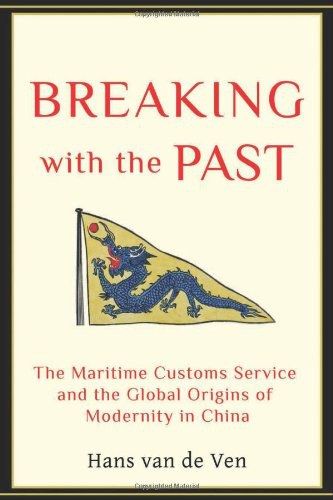
Breaking with the Past
Douban
Hans van de Ven publishing house: Columbia University Press 2014 - 2
Between its founding in 1854 and its collapse in 1952, the Chinese Maritime Customs Service delivered one-third to one-half of all revenue collected by China's central authorities. Much more than a tax collector, the institution managed China's harbors, erected lighthouses, and surveyed the Chinese coast. It funded and oversaw the Translator's College, which trained Chinese diplomats while its staff translated Chinese classics, novels, and poetry and wrote important studies on the Chinese economy, its financial system, its trade, its history, and its government. It organized contributions to international exhibitions, developed its own shadow diplomacy, pioneered China's modern postal system, and even maintained its own armed force. After the 1911 Revolution, the agency became deeply involved in the management of China's international loans and domestic bond issues. In other words, the Customs Service was pivotal to China's post-Taiping integration into the world of modern nation-states and twentieth-century trade and finance. If the Customs Service introduced the modern governance of trade to China, it also made Chinese legible to foreign audiences. Following the activities of the Inspectors General, who were virtual autocrats within the service and communicated regularly with senior Chinese officials and foreign diplomats, this history tracks the Customs Service as it transformed China and its relationship to the world. The Customs Service often kept China together when little else did. This book reveals the role of the agency in influencing the outcomes of the Sino-French War, the Boxer Rebellion, and the 1911 Revolution, as well as the rise of the Nationalists in the 1920s, and concludes with the Customs Service purges of the early 1950s, when the relentless logic of revolution dismantled the agency for good.