经济管理
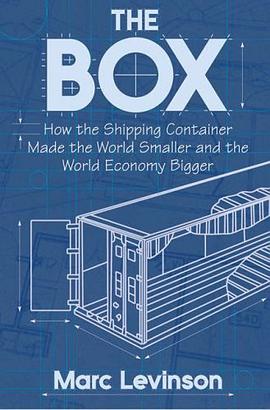
The Box
The Box: How the Shipping Container Made the World Smaller and the World Economy Bigger Douban Goodreads
Marc Levinson publishing house: Princeton University Press 2006 - 3 other title: The Box: How the Shipping Container Made the World Smaller and the World Economy Bigger
In April 1956, a refitted oil tanker carried fifty-eight shipping containers from Newark to Houston. From that modest beginning, container shipping developed into a huge industry that made the boom in global trade possible. The Box tells the dramatic story of the container's creation, the decade of struggle before it was widely adopted, and the sweeping economic consequences of the sharp fall in transportation costs that containerization brought about.</p> Published on the fiftieth anniversary of the first container voyage, this is the first comprehensive history of the shipping container. It recounts how the drive and imagination of an iconoclastic entrepreneur, Malcom McLean, turned containerization from an impractical idea into a massive industry that slashed the cost of transporting goods around the world.</p> But the container didn't just happen. Its adoption required huge sums of money, both from private investors and from ports that aspired to be on the leading edge of a new technology. It required years of high-stakes bargaining with two of the titans of organized labor, Harry Bridges and Teddy Gleason, as well as delicate negotiations on standards that made it possible for almost any container to travel on any truck or train or ship. Ultimately, it took McLean's success in supplying U.S. forces in Vietnam to persuade the world of the container's potential.</p> Drawing on previously neglected sources, economist Marc Levinson shows how the container transformed economic geography, devastating traditional ports such as New York and London and fueling the growth of previously obscure ones, such as Oakland. By making shipping so cheap that industry could locate factories far from its customers, the container paved the way for Asia to become the world's workshop and brought consumers a previously unimaginable variety of low-cost products from around the globe.</p>
从0到1
Zero to One: Notes on Startups, or How to Build the Future Douban Goodreads
★ 7.0 106 ratings
[美] 彼得·蒂尔 / Peter Thiel … translator: 高玉芳 publishing house: 中信出版社 / 中信出版股份有限公司 2015 - 1 other title: 从0到1:开启商业与未来的秘密
Silicon Valley legend Peter Thiel’s vision for building the companies of the future. In Spring 2012, students at Stanford University packed a lecture hall to hear Silicon Valley entrepreneur and investor Peter Thiel teach a course called “Computer Science 183: Startup.” Thiel told the class everything he knows about starting a company, going beyond the basics of running a business to answer the much harder question of how to find value where other people do not see it. Now Thiel and former student Blake Masters, whose notes on the class became an internet sensation, have revised, updated, and expanded on the best parts of the lectures. The result is this unique book: simultaneously an insider’s view of Silicon Valley, a practical guide for thinking about business, and a contrarian vision of the future. Thiel starts from the bold premise that we live in an age of technological stagnation, even if we’re too distracted by our new mobile devices to notice. Progress has stalled in every industry except computers, and globalization is hardly the revolution people think it is. It’s true that the world can get marginally richer by building new copies of old inventions, making horizontal progress from “1 to ” But true innovators have nothing to copy. The most valuable companies of the future will make vertical progress from “0 to 1,” creating entirely new industries and products that have never existed before. is about how to build these companies. Tomorrow’s champions will not win by competing ruthlessly in today’s marketplace. They will escape competition altogether, because their businesses will be unique. In today’s post-internet bubble world, conventional wisdom dictates that all the good ideas are taken, and the economy becomes a tournament in which everyone competes to reach the top. shows how to quit the zero-sum tournament by finding an untapped market, creating a new product, and quickly scaling up a monopoly business that captures lasting value. Planning an escape from competition is essential for every business and every individual, not just for technology startups. The greatest secret of the modern era is that there are still unique frontiers to explore and new problems to solve. shows how to pursue them using the most important, most difficult, and most underrated skill in every job or industry: thinking for yourself. --