日本
The Strange Story of Oyuki (1992) WikiData IMDb TMDB Douban
濹東綺譚
7.0 (14 ratings) director: Kaneto Shindō actor: Masahiko Tsugawa / 墨田由纪
other title: 墨东绮谭 / 濹東綺譚
A story of Japanese writer Kafu Nagai (1879-1959), a man about sixty with a huge reputation of seducer who falls madly in love for a young geisha named Oyuki. Meticulous and smartly dressed, Nagai patiently wrote in his diary his thoughts during many years. A melancholy reflection on the passage of time and a brilliant interpretive exercise.
飞翔吧!大清帝国 Douban
翔べ!大清帝国
7.9 (14 ratings) author: [日] 武田雅哉 translator: 任钧华 publishing house: 北京联合出版公司 2013 - 9
一部填补中国科学文明空白的奇书!
一部记载晚清先贤科学革命的通俗史!
中国科幻领军者 刘慈欣、韩松、姚海军 盛情推荐
最危机的年代,最大胆的幻想,最激情的革命,一群“不靠谱”却又让人敬重的科学先驱,曾创造了一个奇异的“科幻中国”。
武田雅哉教授以日本学者独有的细致入微,选录两百余幅图片,纤毫毕现地展现了谭嗣同、梁启超、蔡元培、鲁迅、吴趼人、包天笑等人种种奇异的科学幻想与科学实践,带我们重返那被历史遗忘了的“飞翔时代”。
垂暮文明一次短暂的返老还童,一个我们不知道的大清帝国,一段被遗忘的飞翔的梦想,像童话一样美妙,像科幻一般神奇。很难相信这一切真的发生过,本书让这段不可思议的历史再次鲜活如初。
——科幻作家 刘慈欣
《飞翔吧,大清帝国》是百前中国人对国家和世界的想象,的的确确是一部奇书,补缺了我们文明的一段空白。我觉得不仅是热爱幻想的人们要看,而且每个中国人都应该看看,我们中国的历史并不仅仅是我们以为的那样,我们中国人的大脑也并不是我们感觉到的那样。
——科幻作家 韩松
别样的视角、独到的观点,打开这本书,便会被一种一流科幻小说才有的惊异感俘获。一本值得品读的好书!
——《科幻世界》主编 世界华人科幻协会秘书长 姚海军
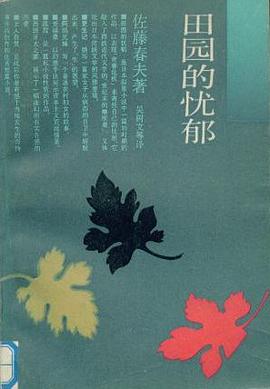
田园的忧郁 Douban
author: [日本] 佐藤春夫 translator: 吴树文 publishing house: 上海译文出版社 1989
据筑摩书房1977年版译出。
Aug. 29, 2013 read
据说郁达夫的《沉沦》受佐藤春夫《田园的忧郁》很多影响,两人一度是好友,中日开战却因立场成了仇人。当然佐藤春夫最大的八卦是和谷崎老之间的纠葛,秋刀鱼的滋味。。。
佐藤春夫 日本
森鸥外精选集 Douban
author: 森鸥外 translator: 高慧勤 publishing house: 北京燕山出版社 2005 - 4
《森鸥外精选集》森鸥外,本名森林太郎,出身于武士家庭,祖上历代是藩主的侍医。自幼受武士道德教育,通习儒家经典。维新后随父进京。一八八一年毕业于东京大学医学部,为出国深造,本想进文部省,却不得不按父母的旨意,就职于陆军部,任教于陆军军医学校。三年后,奉命留德,专攻卫生学。四年的留学生活,对他影响极大。医学上得到深造的同时,身在异国,西方的人文环境和先进的科学文化,使他的眼界胸襟也为之一变。他强记博闻,广泛涉猎西方文史名著,研究叔本华和尼采等哲学思想,深受哈特曼美学理论的影响,成为他后来写小说搞评论的根据。一八八八年回国后,就职于军医学校,历任教官、校长、近卫师团军医部长、陆军军医总监,最后升任为陆军部医务局长。中日、日俄两次战争时,森鸥外均曾奉命出征,到过我国东北、台湾。一九一六年辞去现役军职,翌年任宫内省帝室博物馆总长,直至去世。
作为明治政府的高官,上层知识分子的代表,森鸥外的思想,既有进步的一面,也有因循的局限。他自称是一个“留洋归来的保守派”,调和与妥协是其处世原则。但是,西方的自由思想和民主精神,也给予他深刻影响,始终贯穿于他的创作中。德国学成归来,有感于日本国内的落后闭塞,应时代的要求,森鸥外以“战斗的启蒙家”姿态,凭借他对西方哲学、美学、文学理论的深厚修养,在文化上展开全面的启蒙。一八八九年,他用稿酬创办文学评论刊物《栅草纸》,旨在廓清当时文学创作与理论上的混乱。就各家的文论严加评论,并与近代小说理论的开拓者坪内逍遥,关于文学上“没理想”问题进行长达八个月的论争,是为日本现代文学史上第一次真正的文学论争。评论之余,森鸥外还译介欧美文学中各类体裁的作品,为当时的文坛提供多样的作品范例。所译安徒生的小说《即兴诗人》,曾获极高评价,认为臻于翻译文学的极致;著名自然主义作家正宗白鸟年轻时读此译文,曾“喜极而泣”(《明治文学总评》)。与此同时,森鸥外初涉创作,便一鸣惊人,借留学期间的亲历,以浪漫抒情的笔调,写成《舞姬》等短篇,显示出卓越的才华,赢得广泛的读者,产生深远的影响。
Aug. 29, 2013 read
《舞姬》这些以西洋为背景的名篇倒觉得一般,森鸥外在《泡沫记》里对路德维希二世死因的描述颠覆了我的三观。还那些以日本风情为背景的小品好看。
日本
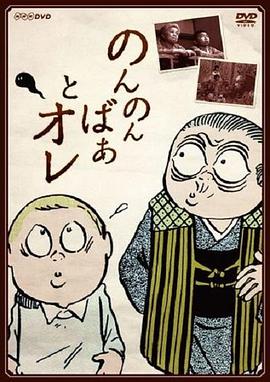
童年轶事 (1991) Douban
のんのんばあとオレ
director: 水木茂 actor: 岸部一德 / 罇真佐子
中央电视台1992年播放过,翻译名字是《童年轶事》。这部电影原名是《のんのんばあとオレ》是根据漫画家水木しげる小时候的回忆作出的漫画由NHK改编的作品。采用真人和动画结合的方式,里面有各式各样的鬼,都是采用动画的方式表现出来的,1992年在中国大陆地区放过一遍就再也没有播过了。获得过文化厅艺术作品奖,但没有单独发行,日本也很难找。
WiKi上的介绍
昭和6年(1931年)。鳥取県の・境町で暮らす村木茂は小学校3年生。住み込みのお手伝いであるのんのんばあの語る妖怪やお化けの世界に魅せられている。学校では居眠りをしたり、空想の世界にひたったりして先生や母から怒られてばかりだが、毎日楽しく遊び回っていた。
ある日、茂は肺病のため東京から境港に療養に来ていた千草という少女に出会う。不治の病を嘆き拗ねていた千草だったが、茂やのんのんばあの語る不思議な世界に引き込まれ、いつしか茂と千草は仲良くなっていた。
夏休みに入ったある日、茂は兄・弟と一緒に米子の街にドーナツを食べに行く。茂は、千草に食べさせてやろうかと一瞬迷ったが、結局自分がドーナツを食べてしまう。あとになって千草はドーナツが好きだったと知り、後悔の思いから彼女にドーナツを買ってきた茂だったが、千草は病が進行して危篤に陥っていた。茂は、千草を励ますために彼女と約束していた十万億土の絵を必死になって描き上げるが、時すでに遅く、千草は茂への感謝の言葉を口にしながら息を引き取っていた。
千草の早すぎる死を悲しむ茂を、のんのんばあは「しげーさん(茂さん)の心には千草さんの魂が入ったのだよ。たくさんの人の魂が心に宿るから人は優しくなれるのだよ」と励ますのだった。
I Have to Buy New Shoes (2012) WikiData IMDb TMDB Douban
新しい靴を買わなくちゃ
6.4 (45 ratings) director: 北川悦吏子 actor: 中山美穗 / 向井理
other title: 得买新鞋了 / 新しい靴を買わなくちゃ
Freelance writer Aoi Teshigahara lives in Paris, France. Sen Yagami is a photographer who came to Paris, France due to his younger sister Suzume's insistance. Over the next 3 days, Aoi Teshigahara and Sen Yagami fall in love. Meanwhile, Suzume meets her boyfriend Kango, whom they have been in a long distance relationship.
June 30, 2013 watched
日剧的套路放到异国就感觉很违和
日本
鶴妻-日本童話集 Douban
author: 日本童話紫石作坊譯 publishing house: 城邦(麥田)
內容簡介
桃子裡的嬰兒,飄落的櫻花,藏起魚尾,女孩無言地彩繪起紅蠟燭,海裡回來,浦島太郎看著消失的家園……童話,從不思議的山林與海洋中,出現。在日本童話裡,或許是先天地理環境的因素,大多故事都與海洋脫離不了關係,漁民、龍宮、人魚……豐富了童話本身,也創造出了不少探險故事。至於山林裡的奇遇,則又是另一種華麗,與仙人、惡鬼相遇的想像,替苦悶的庶民生活增添起伏變動的因子。日本童話,是從山林與海洋走出來的驚喜。附有精美插畫──日本十七至十九世紀的浮世繪、版畫、水墨畫……等藝術作品,重現當代文藝風情。張曼娟導讀。
作者簡介
日本童話 日本童話,孕育自山林海洋間的傳奇。來源皆已不可考,然而隨著時間的推衍,人們的口耳相傳間,添加了不少枝節,使得許多版本細微之處,皆不盡相同。
June 2, 2013 read
童年时是中日蜜月期,各种日本的动画、影视、文学,这本书我有一本大陆版,与其说童话不如说是民间故事,结局多是悲剧,有点恐怖,画红蜡烛的人鱼,用自己的羽毛织衣服的仙鹤...不过书里的插图的确很漂亮(可惜现在找不到了)
日本
The Sensualist (1991) IMDb TMDB Douban
井原西鶴 好色一代男
7.9 (79 ratings) director: 阿部行夫 actor: 今西正男 / 松岛实
other title: 好色一代男 / Koushoku Ichidai Otoko
In the 54 years from his sexual awakening at the age of 7 until the age of 61, Yonosuke had relations with 3740 women and 725 men.
So we learn about the protagonist of Ihara Saikaku's 17th century novel The Sensualist in this animated adaptation, which is directed by erstwhile art director Yukio Abe, best known as the art director of the great Sanrio films of the 70s and early 80s, and scripted by erstwhile director Eiichi Yamamoto, best known for directing the experimental adult epic Belladonna.
Armed with those stats, Yonosuke makes Casanova look like the 30-year-old virgin. The 18th century Venetian and patron saint of latter-day Venutian artists such as Neil Strauss proclaims in his autobiography to have had relations with a mere 200 or so women during his lifetime. Yawn. But Casanova's autobiography is an engrossing and ethnographically invaluable piece of writing, and Yonosuke is a fictional character, so we'll call it even.
Better known as The Life of an Amorous Man, the novel was the first in a series of tracts that Ihara Saikaku published in the 1680s recounting the amorous escapades of the denizens of his Edo-period merchant class demimonde, who were apparently quite the libertines. I'm sure there are some juicy parallels waiting to be drawn between 17th century Japan and 18th century Venice by an enterprising student of comparative cultural studies.
Edo-period Japan was one of the most enlightened and liberal societies the world has ever known when it comes to sexual matters, with its sophisticated amalgamation of sexual openness and artistic expression. Rather than clients visiting prostitutes in dingy dives for a slam-bam-thank-you-mam exchange of fluids, Japan's geisha were government-sanctioned master artists who engaged clients in a classy, ritualized form of intellectual foreplay involving conversation, music and poetry.
The crème de la crème of geisha was the tayuu, and it's one of these creatures that is the object of the chase in this film. The Sensualist tells the story of a fumbling young man who seeks Yonosuke's assistance in getting with a renowned Edo tayuu. Flashbacks weave in and out of the narrative thread, filling us in on Yonosuke's respectable history of romantic dalliances.
The visuals of the film are exquisite, creating a sumptuous homage to the art of the Edo period. The characters are modeled after the style of Edo hanga, and are animated with great care under the supervision of the late great FX animator Mikiharu Akabori. Quite simply, the film is a feast for the eyes. Abe Yukio was first and foremost an art director, and the focus on the film is understandably on creating a sequence of beautiful images, which it does marvelously. There are few anime films as beautiful as this one out there. The film feels like a moving hanga.
Rather than gliding through a crude naturalistic approximation of Edo Japan, the characters inhabit the actual art and expressive symbols of the era. The ocean undulates like an ink painting, white lines on a black background. Naked bodies entwined in an embrace float through fields of lotuses. Shadows of long-eared rabbits hop across folding screens painted with stormy waves. Prints of Edo beauties or landscapes by the great masters pan across the screen, creating a heady and intoxicating atmosphere in which art, sex and life intermingle, rather than simply telling a story.
Although this is definitely a film for adults, and there is a good deal of nudity, a bit of rubbing, and a whole lot of bobbing, none of it is explicit. Actual shunga from the same period as this novel are far more explicit. Instead, symbols like the turtle and the camellia that were used back then to hint at sexual matters are used in a similar spirit during lovemaking scenes. The only time the film borders on funny is when they use the same strategy as 1001 Nights and Cleopatra and suddenly coyly shift from a shot of the couple embracing to a shot of abstract animation showing a suggestively shaped flame, or a clap of lightning that sends birds flying off of a tree. But for the most part, these shots of abstract animation are subtle and creative, and they feel like a modern extension of the traditional Japanese symbolic tradition.
Originally released in Japan around 1990, this 54-minute film was presumably a direct-to-video release. Gone were the days when a film like Belladonna, this film's only real analogue in anime, could be released in the theaters. It appears to have disappeared into obscurity fairly quickly, and it's hard to find almost any information about it anymore. Needless to say, it has not been re-released on DVD.
This film deserves a better fate. If ever a film qualified as a buried gem, this is it. There is quality work here. This was an ambitious project that was clearly a labor of love. Director Yukio Abe masterfully handles a complex narrative that flows between the present, the past and the abstract, making every image count. Mikiharu Akabori's character animation is subtle but nuanced, authentically reproducing the complex dress of the era and the styles of physical representation of Edo-era prints. And Eiichi Yamamoto deserves a lot of credit for penning an excellent script tangled with poetry, authentic inflection and subtle wit. Together, they did a good job of visualizing some pretty difficult material in a way that remained true to its explicit nature without teetering too much into the realm of bad taste.
More importantly, they fully utilized all the means available in animation to create a thematically and visually consistent interpretation of the spirit of the novel. They channel the actual art of that period into the modern means of animation, achieving a sense of artistic unity that could not be achieved in a live-action adaptation.
Despite being an erotic film, it's not meant to be titillating. The film has a sense of spiritual and literary depth that goes beyond mere sexual exploitation. It reminds me of the themes invoked in 1001 Nights, the first Animerama film, which was also directed by Eiichi Yamamoto: Ambition, lust, curiosity. The desire to push yourself to be the best YOU you can be, to go higher and higher, just to see if you can do it. That is one running themes that seems to occupy Eiichi Yamamoto in the three characters of Yonosuke, Belladonna and Aldin. 1001 Nights was intended as a film for adults addressing complex adult themes, not as erotica, and I find that that's the case with this one, although the erotic element is unmistakably more dominant here. The film feels like an homage not only to the art of Edo Japan but to the erotic sensibility of that era.
And lest all this make the film sound like a stuffy art film, it's clear that they don't take themselves too seriously. It's entertaining to watch the protagonist, a bumbling stand-in for every ordinary loser out there who isn't a Don Juan like Yonosuke, fumble his way into the arms of this goddess.
Alongside Belladonna, The Sensualist is one of the rare attempts to do tasteful and artistic adult fare in animation. The studio that produced this ambitious film might come as a surprise: It was Grouper Production, a short-lived studio that was co-founded in 1986 by Masami Hata, the director of many of the very same Sanrio productions on which Yukio Abe acted as the art director. Hata directed several of Grouper's productions, including the Hobberdy Dick TV series, the Super Mario Brothers: Princess Peach movie, and the Ping Pong Club TV series. As far as I know, this is the only film that Yukio Abe directed. Since then, he has returned to art directing, most recently working again under Masami Hata on the Stitch TV series produced by Madhouse.
How did this project come about? It seems so out of character with everything else done by the studio as well as the director. Was it a project he had always wanted the chance to direct? So many questions. Grouper continued operating for several years after this film was released, so at the very least, it didn't put them out of business, which is a relief. Belladonna was produced 20 years earlier. Films like this only seem to come around in 20 year increments. Hopefully that means we'll be getting a new one soon. It's understandable that most studios don't have the daring to try their hand at something a little more ambitious like this, but it's still a shame. The talent is out there to make a new adult epic. It only makes me all the more grateful for the occasional aw-the-hell-with-it moments of indulgence like The Sensualist
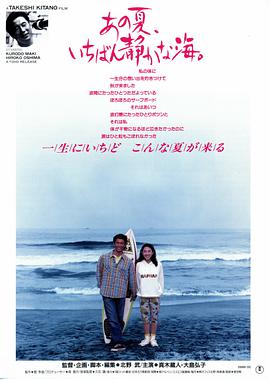
青春国度 (1990) Douban
稲村ジェーン
director: 桑田佳佑 actor: 加势大周 / 的场浩司
other title: 稲村ジェーン / Inamura Jane
「稲村ジェーン」…それは20年に一度、巨大台風によって稲村に押し寄せる幻の大波のこと。この伝説が、もはや往年のサーファー達の昔話くらいにしか受け止められなくなっていたある年の夏…。
退屈な日常に物足りなさを感じつつも、それでもなんとなく日々を過ごしつつあったサーファーのヒロシ、そしてラテンバンドのリーダー・マサシは、不思議な魅力を持つ波子との出会いをきっかけに、退屈さの中にも何かしらの『素敵さ』を刹那にでも感じ始めていた。しかし日常は、あくまでも現実の「いま」を強要する。彼らにとって、今年の夏がこれまでと何ら変わらぬ退屈なもので終わりを迎えようとしていたその時、稲村に巨大台風が接近しつつあった…。
后来被张学友翻唱成《每天爱你多一些》、被刚泽斌翻唱成《你在他乡》,被薛凯琪和方大同翻唱成《复刻回忆》。
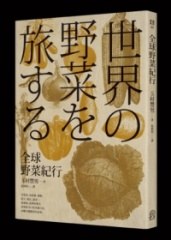
全球野菜紀行 Douban
世界の野菜を旅する
author: 玉村豐男 translator: 張秋明 publishing house: 遠足文化 2012
葡萄牙的直立甘藍菜、黎巴嫩的「茄子魚子醬」......
日本知名插畫家玉村豐男 陪你一同品嚐有關蔬菜的故事
大概不會有人在吃蔬菜時會想到原產地等問題吧?
然而早從幾千年前起,蔬菜就跑遍了全世界,至今持續著規模令吾人難以想像的旅行。
洋蔥是最早為人類所食用的蔬菜之一,推估其原產地從印度西北部到烏茲別克、塔吉克、阿富汗北部一帶的山岳地帶,其野生品種可能早於紀元前五千年前就已經在波斯(今伊朗)被作物化了。而且兩千年後的古埃及,還將洋蔥當作金字塔建築工人補充體力的重要食糧。
究竟在那麼遙遠的古代是誰以什麼方式將洋蔥從裡海東部山中運送至北飛的海岸一帶呢?又是誰指導當地民眾栽種的呢?
光是這一點就已經很不可思議了,據說這個遙遠古代就已然存在的蔬菜正式進入美洲大陸居然是在十五世紀末誤將加勒比海小島當成印度登陸時的事,而且抵達美國東海岸還要再經過一百年後。如今美國已成為世界最大的洋蔥生產國。
關於蔬菜之旅的故事,總是充滿了豐富多樣的不可思議。
現在如果對美國人說「你們用來填充感恩節、聖誕節烤火雞肚子的洋蔥,其實是來自伊朗或阿富汗等地」,別說他們不相信,搞不好還會大發雷霆哩......。
知名的留法畫家玉村豐男在本書中提到自己很喜歡蔬菜,每天攝取量應該有別人的三至五倍之多。從他開始在自己的農園栽種,已將近二十個年頭。一開始只是想用自己種的蔬菜煮來吃,後來成為農協的會員開始生產番茄、辣椒、黃瓜等對外銷售,目前則是在農園內開設餐廳,提供新鮮現採的蔬菜等料理。此外,只要一有機會出國必定會去逛市場、種苗店,尋訪罕見的蔬菜,想方設法帶回到自家的田地種植。
當然,作者在食用蔬菜時,不見得總是會想到原產地和相關的後續發展。而是在吃的時候偶爾會想起從書中讀到的各種小故事;或是在家中吃飯時突然心生疑問,立刻起身跑到書架前翻閱有關蔬菜的書籍。書房裡陳列著許多從國外買來的蔬菜專書和蔬菜食譜。
種菜、收成,然後親手做成美食享用。旅途中發現新的蔬菜,透過書本調查相關知識。利用下次旅行時購買書中查到的蔬菜種子,加以栽培、收成......,本書就是在這樣的循環當中誕生的。
本書內容記述了幾種主要的蔬菜,包含在旅途中遇見這些蔬菜的光景、烹煮的方法、實際栽種的經驗,還有該蔬菜的起源、歷史、小故事或傳說等等。因為書寫得很隨性,也許彼此之間毫無脈絡可言,總之完全是作者接觸到該蔬菜時腦海中所浮現的印象,這本書或許就是忠於那樣的印象而完成的。
享用蔬菜,其實是在享用該蔬菜的故事。
關於旅行的蔬菜,則是要在旅行中思考......。但願讀者腦海中能浮現出身邊的某種蔬菜,跟著我一起神遊世界各地。
恋爱中毒 Douban
恋愛中毒
author: [日本] 山本文绪 translator: 边静 publishing house: 南海出版公司 2013 - 3
如果要爱别人,就请先好好爱自己
疗愈小说大家 山本文绪代表作
五月天”阿信热荐之《涡虫》《蓝另一种蓝》作者,再推疗愈小说
请不要再做背叛自己的事了。决定放弃了的事,就请放弃得干干净净。那些决定再也不见面的人,就真的不要见面了。
与其说水无月中了爱情毒,不如说她自身本来就 带有毒性,自私又自以为是的毒性,被害妄想的毒性。——李长声
------------------------------------------------------------------------------------------
从小镇来东京闯荡的水无月,因为一场婚变沦落到便当店打工。
此时,她在店里邂逅少女时代崇拜的明星创路功二郎,身不由己地陷入热恋。孰料创路另有多位恋人。水无月周旋其间,以自己的忠心与顺从一一击败情敌。眼看胜利就在眼前,但变故突如其来。
能忍受一切,却不能忍受感情欺骗,水无月终于“恋爱中毒”……
恋时雨 (2009) Douban
恋時雨 〜吉高由里子と6つの恋〜
other title: 恋時雨 〜吉高由里子と6つの恋〜
六个关于恋爱的小故事~吉高由里子酱朗读
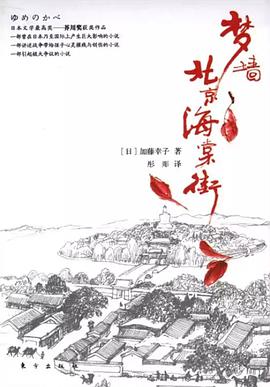
梦墙·北京海棠街 Douban
夢の壁 北京海棠の街
author: (日) 加藤幸子 translator: 彤彫 2012 - 4
《梦墙•北京海棠街》收录了加藤幸子的一部短篇小说《梦墙》和一部中篇小说《北京海棠街》。《梦墙》是一部在日本乃至国际上有极大影响的小说,荣获日本文学最高奖第88届“芥川奖”。讲述了二战结束后,一个生活在中国的日本女孩和一个中国男孩共同谱写的青涩童年——他们用幼小的心灵承受着战争带给他们的创伤与摧残,用清澈的眼睛透射着身边人们因战争而遭受的痛苦。用本能的行为诉说着无国界友谊的存在与真实。此书被公认为是一部“坦率而正统”的战争作品。
《北京海棠街》是《梦墙》的姊妹篇。作品以当时的北京市井生活场所——诲棠胡同、四合院——为背景,淋漓尽致地描述了一个随父亲来到中国的日本少女——佐智那神奇般的遭遇和富于冒险的经历,描述了她与中国士兵、韩国少女之间的交往和友谊,真实地展现了兵荒马乱的岁月里铁蹄躁躏下北京的市井生活。
《梦墙•北京海棠街》由东方出版社出版发行。
甜蜜的房间 Douban
author: [日本] 森茉莉 translator: 王蘊潔 publishing house: 麥田 2006 - 6
美麗的少女藻蘿,她有著淡紅色嘴唇、白皙的皮膚,和炯炯有神的眼眸,還不時散放出香氣,令每個男人都為之著迷。然而她的心卻如同被毛玻璃圍住一般,永遠看不明也摸不透……

《甜蜜的房間》是作家森茉莉在六十歲後,花了十年的時間完成的,是一部足以稱之為「生涯代表作」的長篇小說。

這篇用了九百張稿紙的長篇大作,分成三部來描寫主人翁牟禮藻羅的成長。第一部是幼年時代篇〈甜蜜的房間〉、第二部分是處女篇〈甜蜜的歡愉〉,第三部是結婚篇〈再度回到甜蜜的房間〉。

森茉莉本人在當時的許多散文中,都曾經談到過這部作品。從這些散文中瞭解到,這部小說「描寫了父親和女兒之間的深厚感情,是一部『戀愛小說』」,同時,「描寫藻羅這個極具魅力的年輕女人,也是本書的重要主題」。

這是一部描寫父親和女兒之間的戀愛小說。在日本的近代文學中,都站在男性的立場,描寫與母性之間糾葛,或是父親與兒子之間的各執己見,父女的世界的確是從未有人涉及的領域。

書中父親和女兒的原型,當然在很大程度上,受到作者身為文豪森鷗外之女的成長過程的影響。三島由紀夫在看了第二部後,稱這部小說為「官能的傑作」,並讚嘆為什麼作者可以對男人的肉慾有如此正確的瞭解。「在一切如夢似幻的世界中,只有肉慾以幾近殘酷的真實面貌呈現。很少有女人能夠毫無夢幻地正確道破男人只對所愛的人的『外表』,只對『外表』有著執著的關心,以及男人的肉慾,男人的色情。……她比任何淫蕩的女人更瞭解『男人』,實在太不可思議了!」三島認為,森茉莉「使用全日本,只有森茉莉商店販賣的語言」,成功地「明確地描寫出」少女和男人之間的關係。
王朝女性日记 Douban
蜻蛉日記·和泉式部日記·紫式部日記·更級日記
8.5 (6 ratings) author: [日] 藤原道纲母 / 紫式部 等 translator: 林岚 / 郑民钦 publishing house: 河北教育出版社 2002 - 6
《王朝女性日记》是日本平安时代的女性日记文学的选集,是日本古代散文随笔文学的瑰宝。这些日记笔录了作者身边的小事,有爱恨情仇,也有欢喜悲伤,既有对现实的抗争,也有寻求灵魂的宁静。内容包括蜻蛉日记、和泉式部日记、紫式部日记、更级日记四种。
藤原道纲母的《蜻蛉日记》共3卷,纪录了她与兼家结婚后20年间的生活,反映了当时的贵族生活和处于被压迫地位的贵族妇女对自身地位的反省,真挚动人。
《紫式部日记》记叙了作者在宫中的见闻与感受,流露了对现实的不安忧愁与苦恼的心情及其反抗的精神。
配色美人 Douban
色で美人に生まれ変わる!7daysレッスン
author: (日)今井志保子 translator: 周末 publishing house: 辽宁科学技术出版社 2011 - 3
即使你没有闭月羞花之貌,没有玲珑曼妙的身姿,只要在服装和妆容中恰到好处地利用颜色、形状和花纹的搭配,就能起到扬长避短的作用,从此绽放自信的笑容,将自己最具魅力的一面展现出来,并在视觉上塑造出理想的身材。本书通过七节色彩搭配课,帮你找出适合自己的美人色,并将它们恰到好处地运用到日常的服装、妆容和装饰品中去,让你象破茧而出的蝴蝶一样,有一个脱胎换骨的改变。
Before The Vigil (2013) Douban
つやのよる ある愛に関わった、女たちの物語
5.2 (5 ratings) director: 行定勋 actor: 阿部宽 / 风吹淳
other title: 艳之夜 / つやのよる ある愛に関わった、女たちの物語
远离大都会的伊豆大岛,抛家舍业的中年男子松生春二(阿部宽 饰)与情人艳生活于此,宛若夫妇。无奈艳风流成性,四处留情,随后又为病魔击倒,弥留之际床榻前只有春二怀着复杂的心情照顾着这个左右了他一生的女人。为了确定那些男人对艳的情感,春二启程踏上了一段寻访之旅。他先后拜访艳堂 兄的妻子环希(小泉今日子 饰)、上班族桥本凑(野波麻帆 饰)、中年寡妇桥川沙希子(风吹纯 饰)、在美容院工作的百百子(真木阳子 饰),她们的男友、丈夫、情人与艳交错迷离的过往,令这些为情所困的男女难辨道途。人生旅途即将抵达终点,谁将前来送你最后一程?
本片根据直木赏获奖作家井上荒野的同名原作改编。
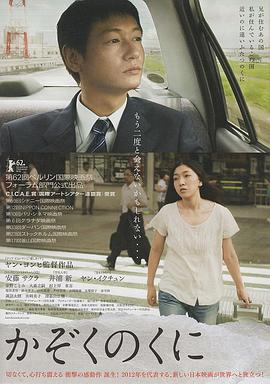
Our Homeland (2012) WikiData IMDb TMDB Douban
かぞくのくに
8.1 (29 ratings) director: 梁英姬 actor: 安藤樱 / 井浦新
other title: 家族的国度 / かぞくのくに
From the late 1950s through the '70s, more than 90,000 of the ethnic Koreans in Japan emigrated to North Korea, a country that promised them affluence, justice, and an end to discrimination. KAZOKU NO KUNI tells the story of one of their number, who returns for just a short period. For the first time in 25 years, Sonho is reunited with his family in Tokyo after being allowed to undergo an operation there. Sonho’s younger sister Rie is at the centre of the film, and is not hard to recognise as the director’s alter-ego. In her documentaries DEAR PYONGYANG and SONA, THE OTHER MYSELF, Yang Yonghi told the story of her own life, and how, at age six, she experienced the departure of her three older brothers, who left their family for Pyongyang.