海外中国研究
民国时期大学校园文化
The Alienated Academy: Culture and Politics in Republican China, 1919-1937 Google Books Douban
★ 8.0 8 ratings
[美] 叶文心 translator: 冯夏根 / 胡少诚 … publishing house: 中国人民大学出版社 2012 - 8
本书以民国时期的大学为研究对象,主要分析了北京的清华大学、北京大学,上海的圣约翰大学、交通大学、上海大学、复旦大学和中国公学等京、沪两地大学不同的办学风格、校园文化,及其与上海经济,民国政治、国民政府教育政策的互动关系,叙述了民国都会学院精英在政治、学术的交互拉力中虽取得国际化,但在国内环境中却无所适从、渐入颓唐的艰难过程,是作者在中国近代教育史和上海都市文化史领域研究多年的一部力作。
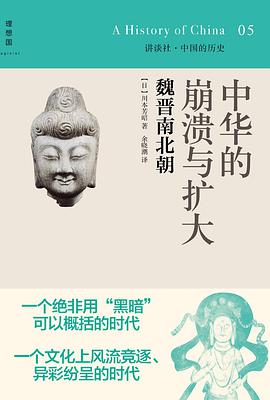
中华的崩溃与扩大: 魏晋南北朝
中華の崩壊と拡大︰ 魏晋南北朝 Google Books Douban
★ 8.2 37 ratings
川本芳昭 translator: 余晓潮 publishing house: 广西师大出版社 2014 - 2 other title: 中华的崩溃与扩大
本书是日本讲谈社“中国历史”系列“魏晋南北朝”一卷。 《中国的历史》为日本讲谈社百周年献礼之作,是日本历史学家写给大众的中国通史读本。丛书自上古到近代,内容含概量大,撰述者均为日本该领域的代表性学者,作品大多构思巧妙,写法轻松,观点新颖,富于洞见,但同时又吸取了近些年来的诸多学术成果,利用了最新出土的史料,是一套可读性与严肃性兼备的重磅历史佳作。 本卷作者侧重探讨了夹在汉、唐两个统一帝国之间的魏晋南北朝时期,汉民族的形成过程、中华文明的本质;当时周边地区如日本、高句丽、百济与“中华文明”的互动关系及其影响。与许多国内学者不同,川本芳昭打破了国别的限制,而试图以“东亚世界”的眼光解读这段历史,有助于我们更好地理解中华文明的传播与接受、以及这种文明的传播所带来的民族间复杂的互动关系。
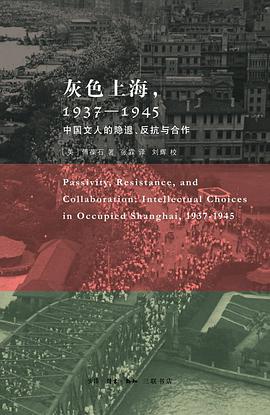
灰色上海,1937-1945
Passivity, Resistance, and Collaboration: Intellectual Choices in Occupied Shanghai, 1937-1945 Google Books Douban
★ 7.4 7 ratings
[美]傅葆石 translator: 张霖 publishing house: 生活·读书·新知三联书店 2012 - 8 other title: 灰色上海, 1937-1945
1937-1945年的上海,正经历着由孤岛转为全面沦陷的最黑暗时期。乱世求生与民族大义,成为每个中国人必须面对的道德困境与政治抉择。本书以王统照、李健吾和《古今》作者群为代表,通过大量翔实的史料和精彩的文本分析,记录了身处“灰色上海”的中国文人或隐退、或反抗、或合作的相互纠结的生存形态,细致逼真地还原出他们所经历的残酷精神拷问和无情的道德审判。本书的杰出之处不仅在于为我们记录了这段讳莫如深的民族精神史,更在于它向正统的历史叙述发出了挑战:究竟谁是汉奸?汉奸该怎样认定?谁能做出最终的判决?究竟该如何理解这段沉默的历史?本书带来全新的阐释。
王弼《老子注》研究(两册)
Douban
[德] 瓦格纳 translator: 杨立华 publishing house: 江苏人民出版社 2008 - 7
本书由三本相对独立的著作合并而成。内容主要包括对王弼在其注释中所用的解释学方法的分析,王弼《老子》本及注释的批判性版本及“推论性”翻译(即通过王弼的注释解读《老子》的文本),以及对作为王弼《老子注》核心的哲学问题的分析。通过审慎地重构王弼的《老子》本及《老子注》,本书探讨了王弼作为一个学养深厚的注释者的注释技艺。在将王弼《老子注》置入与其他竞争性注释并存的语境、并抽绎出这些竞争性注释的解读方式的过程中,本书呈示了理解《老子》的众多路径:从根本性的哲学创作、特定的政治理论到长生术的指南。
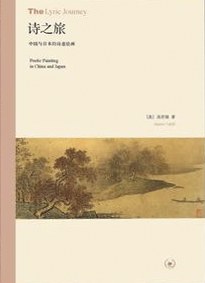
诗之旅
The Lyric Journey Douban
★ 8.3 7 ratings
[美国] 高居翰 translator: 洪再新 / 高昕丹 … publishing house: 生活·读书·新知三联书店 2012 - 10
三联书店“高居翰作品系列”新增品种之一,在1993年费正清东亚研究中心举办的赖世和讲座基础上增订而成,专题讨论中国与日本的诗意绘画。虽是一本专门的学术著作,但并不拘于传统上对诗画关系的讨论,另辟蹊径,见解独到,辅以大量精美的宋代、晚明诗意画以及在大陆很少见到的日本南画,以飨有意深入了解中国文化艺术的读者。
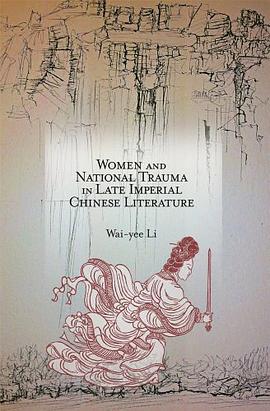
Women and National Trauma in Late Imperial Chinese Literature
Douban
Wai-yee Li publishing house: Harvard University Asia Center 2014 - 8
The Ming–Qing dynastic transition in seventeenth-century China was an epochal event that reverberated in Qing writings and beyond; political disorder was bound up with vibrant literary and cultural production. Women and National Trauma in Late Imperial Chinese Literature focuses on the discursive and imaginative space commanded by women. Encompassing writings by women and by men writing in a feminine voice or assuming a female identity, as well as writings that turn women into a signifier through which authors convey their lamentation, nostalgia, or moral questions for the fallen Ming, the book delves into the mentality of those who remembered or reflected on the dynastic transition, as well as those who reinvented its significance in later periods. It shows how history and literature intersect, how conceptions of gender mediate the experience and expression of political disorder. Why and how are variations on themes related to gender boundaries, female virtues, vices, agency, and ethical dilemmas used to allegorize national destiny? In pursuing answers to these questions, Wai-yee Li explores how this multivalent presence of women in different genres provides a window into the emotional and psychological turmoil of the Ming-Qing transition and of subsequent moments of national trauma.