藝術
Vincent Van Gogh
Douban
Colta Ives publishing house: Metropolitan Museum of Art 2005 - 10
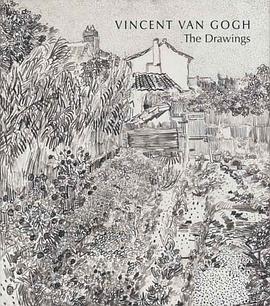
Colta Ives, Susan Alyson Stein, Sjraar van Heugten and Marije Vellekoop Vincent van Gogh (1853-1890) believed that drawing was 'the root of everything'. A self-taught artist, he succeeded, between 1881 and 1890, in developing an inimitable graphic style. This book traces the artist's successive triumphs as a draftsman, first in the Netherlands and later in France, highlighting the diversity of his technical invention and the striking continuity of his vision. Given the pivotal role drawings played in Van Gogh's artistic conception and the rich dialectic they enjoyed with his oil paintings, a small selection of related canvases by the artist is also featured. This beautiful book presents approximately 120 works in charcoal, ink, graphite, watercolour and gouache. The authors explore enduring questions that surround Van Gogh's drawings, including their manufacture, artistic precedents and contribution to Modernism. In addition, the text discusses the significance of the artist's drawing practice to his development as a painter. The essays and entries feature the most current research on Van Gogh's drawings and provide fresh interpretations of the motivating influences that shaped the artist's contributions to the history of drawing. Exhibition schedule: Van Gogh Museum, Amsterdam, 1 July to 18 September 2005; The Metropolitan Museum of Art, 12 October to 31 December 2005.
東亞美學前史
Douban
神林恆道 publishing house: 典藏雜誌社
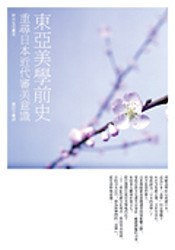
西歐美學何以東渡日本,成為日本「美學」的起點? 向西方取經之後,又是如何地消化、吸收成為「日本的美學」? 明治維新,歐學東漸,方其傳統審美意識遭受無情衝擊之際的日本,為當時亞洲最先反省此一嚴肅課題者,如何多元觀照自我文化,從而促進東亞美學的現代化? 二十一世紀的跨文化時代,探討明治時期,亦即日本近代,做為新學問的「美學」,意義非凡。 本書探討日本明治維新之際,日本學界藉助當時以德國學術為中心的歐美美學美術史體系之下,從而奠定日本美學美術史現代化的經緯,並且開創藝術諸學現代化的實踐與研究之基礎,故而企畫《東亞美學前史──重尋日本近代審美意識》一書。 第一部為學理式探究,第二部往往關注特定之人、事、物,並在第一部的學理高度之下,釐清藝術諸學的內在性邏輯,從而爬梳藝術諸學的歷史性脈絡。 第一部 第一、二、三章以費諾羅沙、岡倉天心等兩位傳奇性人物為中心,以東京美術學校(岡倉天心曾任校長,且為東京藝術大學的前身之一)、《國華》雜誌等為基地,以奈良的佛教藝術的再發現為契機,以黑格爾美術史學為中心,從而旁徵當時歐美的進步主義以及形式主義的美術史學,進而草創兼容古今的日本美術史,並且奠定日本的美術史研究之契機。 第四章通過英、美派的外山正一以及德國派的森鷗外的論爭主述明治時期的美學學術發展史。 第二部 第一章探討日本洋畫的現代化過程。分析日本畫壇對於「外光派」、「印象派」的理解,日本的學習以及日本的觀點。 第二章以羅丹與希爾德勒蘭特為契機,論述雕塑當中的「視覺性/觸覺性」,從而檢視日本雕刻史的傳承與變化。 第三章以美學觀點,探討浪漫派美學之東渡日本,融入日本浪漫派美學的過程。如此一來,也體現日本式的現代化或是日本式的美學浪漫化。 第四章分析形式主義美學對於音樂的導入,從而釐清音樂藝術的開始,以及此一契機之下所開啟的日本西洋音樂、日本音樂的「現代化」脈絡。
Barry McGee
Douban
Barry McGee publishing house: Damiani 2010 - 1
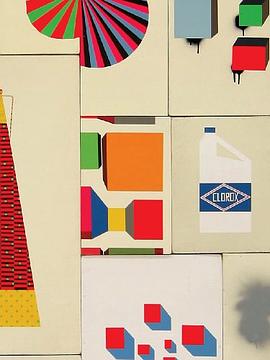
Barry McGee's art buzzes with an infectious street vitality that celebrates the rich pageant of city living, while lambasting its ills, overstimulations, frustrations, addictions. His early years as a graffiti artist, tagging on the streets of San Francisco under such monikers as Ray Fong, Twist and Twisto, still nourish his drive to inscribe the blank face of modern life with the personal and the handmade. A part of the early 1990s art and graffiti boom associated with San Francisco's Mission School (others include Clare Rojas, Chris Johanson and Aaron Noble) and with the "Beautiful Loser" generation, McGee synthesizes a wide range of resources, including the Mexican muralists, anonymous street art and San Francisco Beat poetry, all of which are notably characterized by a sense of public address that McGee never neglects to convey in his own work. His paintings, drawings and installations spill over with graphic energy and political anger, and direct exhortations to his audience to respond to the life around them. This hardcover artist's book takes the form of a visual collage, incorporating photographs, drawings, paintings and documentation of past and present installations. It is the definitive volume on a much-loved artist. Barry McGee was born in San Francisco in 1968 and studied at the San Francisco Art Institute. He continues to live and work in that city. He has had solo exhibitions at Brandeis University's Rose Art Museum in Waltham, Massachusetts, Deitch Projects in New York and the Watari Museum of Contemporary Art in Tokyo.
偽好物
Douban
邱士華 / 林麗江 … publishing house: 国立故宫博物院 2018 - 4
「偽好物」一詞源自北宋大書畫收藏家米芾(1052-1107)對一件傳為鍾繇(151-230)之〈黃庭經〉的評價。他認為這件作品雖然是唐代摹本,然而因臨寫極佳,遂以「偽好物」稱之,肯定這件摹本的藝術價值。 本次特展以「偽好物」為題,呈現一批頗具水準,製作於十六到十八世紀,與蘇州風格相關的偽古書畫作品及其影響。這類冠上唐、宋、元、明書畫名家頭銜的偽作,無論品質精粗,在近代籠統地被稱為「蘇州片」。由於它們被視為贗品,即使大量存在於公私收藏中,卻長期受到忽略。 然而,題材繽紛且為數眾多的「蘇州片」,正反映出明末清初「古物熱」與書畫消費蓬勃的氛圍。藉由本院典藏的明末清初「偽好物」,可以展現當時商業作坊如何以古代大師為名,進行再製,同時藉用文徵明(1470-1555)、唐寅(1470-1524)、仇英(約1494-1552)等蘇州名家的風格來回應這波需求,提供消費者對於著名詩文經典或討喜吉慶主題等種種的活潑想像,打造出許多如〈清明上河圖〉、〈上林圖〉等熱門商品。 「蘇州片」原本屬於商業性的仿作,然由於數量上的優勢與不可忽視的流通量,反而成為明中期以來訊息傳播、古代想像、與建構知識的重要載體。蘇州片甚至成功地進入清代宮廷,直接影響到宮廷院體的形成,對繪畫史的發展,具有前人未曾關注到的重要性。 本次特展圖錄,特別以拉頁方式呈現仇英「百美圖」、元人「上林羽獵圖」、仇英「上林圖」,讓讀者能更完整地欣賞「蘇州片」的迷人之處。