IlGiardinoArmonico
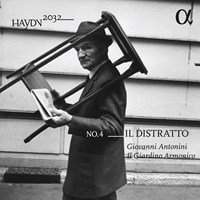
Haydn 2032 Volume 4 - Il Distratto
Douban
Il Giardino Armonico / Giovanni Antonini genre: Classical
release date 2017-03-24 publisher: Alpha
The fourth volume of the Haydn2032 project thrusts into the limelight one of the most important stock characters in the theatre of sounds and words, the Kapellmeister, and explores some glamorous and (in)glorious moments in the career of Maestro Haydn. It features three symphonies by the "Shakespeare of Music" - one of which is even associated with ana ctual play. This bears teh title "Sinfonia in C per la commedia intitolata il distratto" and consists of an overture, four entra'actes, and a finale to be played at the end of the performance. Also on this release is a large-scale buffalo scene by his colleague Cimarosa. Il maestro di cappella is a witty and ironic parody, in which a member of the "old school" of musicians tries to improve the ensemble playing of his orchestra. To his chagrin, the players do react, but in extremely undisciplined fashion: they are distracted, make false entries and disagree musically...
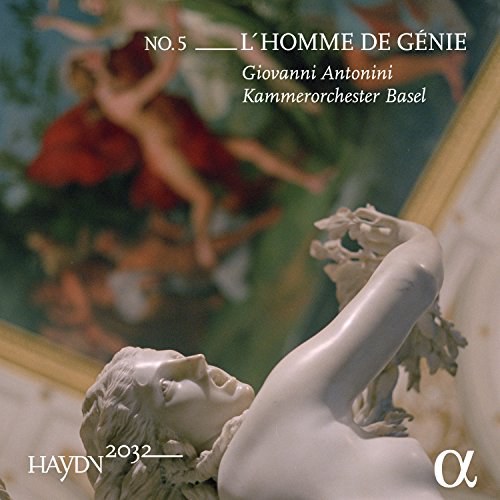
Haydn 2032 Vol. 5 L'homme de génie
Douban
Kammerorchester Basel / Giovanni Antonini genre: Classical
release date 2017-11-17 publisher: Alpha
Haydn2032, the ambitious project of recording the complete symphonies of Haydn, has been placed from the start under the artistic direction of Giovanni Antonini, with two ensembles, Il Giardino Armonico, which made the first four volumes, and the Kammerochester Basel, to which this fifth volume and the next two are assigned. Another characteristic of the edition is that each time Haydn is set in perspective with another composer; here it is Joseph Martin Kraus (1756-92): ‘Kraus was the first man of genius that I met. Why did he have to die? It is an irreparable loss for our art. The Symphony in C minor he wrote in Vienna specially for me is a work which will be considered a masterpiece in every century’, said Haydn in 1797. Though he long remained forgotten after his death, Kraus made an active contribution to the movement of poetic renewal called ‘Sturm und Drang’ or ‘Geniezeit’ (time of genius) because such artists as the young Goethe broke free of all tradition to follow their hearts alone. When Haydn called Kraus homme de génie, in French, he probably had this context in mind. The two composers had met in Vienna in 1783.