english
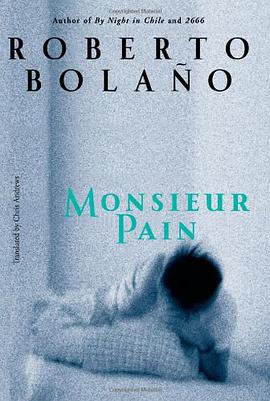
Monsieur Pain
Douban
Roberto Bolaño publishing house: New Directions 2010 - 1
Paris, 1938. The Peruvian poet Cesar Vallejo is in the hospital, afflicted with an undiagnosed illness, and unable to stop hiccuping. His wife calls on an acquaintance of her friend Madame Reynaud: the Mesmerist Pierre Pain. Pain, a timid bachelor, is in love with the widow Reynaud, and agrees to help. But two mysterious Spanish men follow Pain and bribe him not to treat Vallejo, and Pain takes the money. Ravaged by guilt and anxiety, however, he does not intend to abandon his new patient, but then Pain's access to the hospital is barred and Madame Reynaud leaves Paris.... Another practioner of the occult sciences enters the story (working for Franco, using his Mesmeric expertise to interrogate prisoners)-as do Mme. Curie, tarot cards, an assassination, and nightmares. Meanwhile, Monsieur Pain, haunted and guilty, wanders the crepuscular, rainy streets of Paris...
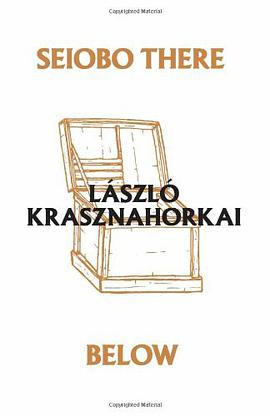
Seiobo There Below
Seiobo járt odalent Douban Goodreads
László Krasznahorkai translator: Ottilie Mulzet publishing house: New Directions 2013 - 9
Beauty, in László Krasznahorkai’s new novel, reflects, however fleeting, the sacred — even if we are mostly unable to bear it. In Seiobo There Below we see the goddess Seiobo returning to mortal realms in search of perfection. An ancient Buddha being restored; Perugino managing his workshop; a Japanese Noh actor rehearsing; a fanatic of Baroque music lecturing to a handful of old villagers; tourists intruding into the rituals of Japan’s most sacred shrine; a heron hunting.… Seiobo overs over it all, watching closely. Melancholic and brilliant, Seiobo There Below urges us to treasure the concentration that goes into the perception of great art, leading us to re-examine our connection to immanence.
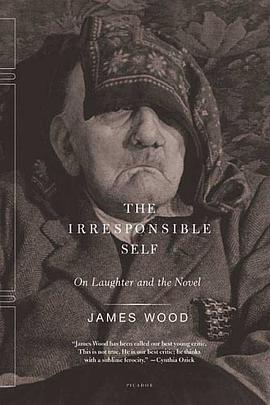
The Irresponsible Self
Douban
James Wood publishing house: Picador 2005 - 4
"James Wood has been called our best young critic. This is not true. He is our best critic; he thinks with a sublime ferocity."--Cynthia Ozick Following the collection "The Broken Estate"--which established James Wood as the leading critic of his generation--"The Irresponsible Self" confirms Wood's preeminence, not only as a discerning judge but also as an appreciator of contemporary novels. In twenty-three passionate, sparkling dispatches, he effortlessly connects his encyclopedic, passionate understanding of the literary canon with an equally earnest and appreciative view of the most discussed authors writing today, including Franzen, Pynchon, Rushdie, DeLillo, Naipaul, David Foster Wallace, and Zadie Smith. This collection includes Wood's famous and controversial attack on "hysterical realism," and his sensitive but unsparing examinations of "White Teeth" and "Brick Lane." "The Irresponsible Self" is indispensable reading for anyone who cares about modern fiction.