人类历史
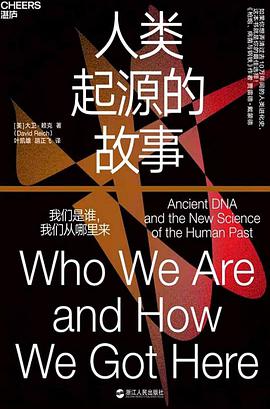
人类起源的故事
Who We Are and How We Got Here: Ancient DNA and the New Science of the Human Past Google Books Douban Goodreads
★ 8.1 9 ratings
[美]大卫·赖克 translator: 叶凯雄 / 胡正飞 publishing house: 浙江人民出版社 2019 - 6
1万年前的欧洲人就是金发碧眼吗? 印度几千年的种姓制度造就了怎样的结果? 人类是起源于非洲还是世界各地分别演化出来的? 尼安德特人、丹尼索瓦人真的被我们的祖先完全消灭了吗? 你知道有很多“幽灵人群”活在我们的DNA里吗? 传统的考古学、语言学构建的人类演化史留下了大片大片的空白。幸好,这已经成为过去时。古人类DNA测序正在掀起一场革命,重新谱写一曲50万年的人类迁徙演化之歌。 大卫·赖克从古人类遗骨中提取DNA,从基因层面还原了人类祖先的面貌。原来,我们的先祖在地球上已经上演了几百万年的“权力的游戏”:在任何一片大陆上,人群都经历了多次毁灭与更迭;所有当代人的祖先都拥有一段复杂难辨的混血史,没有人是“纯种”;千百万年来的种族、性别、阶层不平等在我们每个人的DNA里都留下了深深的刻痕。 面对DNA序列分析这种最先进可靠的技术,我们以前所以为的所有关于人类演变的知识,凡是跟这本书所代表的当前科学理解不一样的,都只能改写。因此,这场革命给了两个问题迄今最为清晰的答案:我们是谁,我们从哪里来。 ● 你所知道的关于人类祖先的一切几乎都错了! 使用化石、文物来研究人类演化史的传统手段已经落伍了。2009年以来,从古人类遗骸中提取的全基因组DNA数据开始大展身手,破天荒地对考古学、人类学、历史学,甚至语言学中人们习以为常的观点提出挑战,甚至开始解决这些领域之间的矛盾之处。这场“古DNA革命”正在以摧枯拉朽之势改变着我们对人类历史的看法。 ● 这不仅仅是一本书,还是科学进入历史领域的里程碑。 本书作者大卫·赖克是古人类DNA领域的世界级领跑者,哈佛医学院遗传学系教授。2013年到2018年,赖克的古DNA实验室生产了7 000多份古人类全基因组数据,占全世界总量的一半以上。作为古DNA革命的领头人,他义不容辞花费3年写出了《人类起源的故事》这本领域奠基之作,以古DNA这个非凡的视角,向读者提供了一幅人类历史的清晰画卷。 ● 这是一本给全人类的寻根指南,一部人类祖先的疯狂混血史。 “我辽阔广大,我包罗万象”,惠特曼的诗歌告诉了我们小中蕴大的道理:一个人的基因组内能记录众多祖先的历史,一个人的身上能承载一个人群的过去。大卫·赖克从当代人和古人DNA中挖掘信息,描绘了一幅数十万年的人类起源、迁徙、演化和混合的宏大地图。他厘清了欧洲人、印度人、东亚人、美洲人、非洲人的历史变迁,得出一个惊人的结论:人类大家庭根本不是一棵枝干分明的树,而是一张疯狂混血的网。 ● 这是一枚重塑种族、性别观念的重磅炸弹。 面对在美国极具争议的种族问题,大卫·赖克勇敢站出来表明了自己的科学立场。他抛弃了传统的“种族”概念,转而使用“血统”话语,并坦诚科学证实人群之间存在生物学差异。他还在DNA中发现了种族、性别、阶层不平等的显著证据。面对这些事实,赖克反对人类坦然接受镌刻在DNA里的不平等,而是用他的“勇敢、慈悲和高度个人化的情感高潮“感召我们反抗人性之恶、成为更好的人。 ● 有人写出了一本你梦寐以求的书是什么体验? 《人类起源的故事》是多学科交叉的,既有自然科学的实证,又有人文社科的情怀,既重视知识的传播,又兼具趣味性和可读性。书中有20幅精美的人类迁徙路线图,完美概括了科学界的最新成果。这本书一面世,就受到了一众科学、文化、科普、历史大咖的强烈推荐——《三体》作者刘慈欣评价大卫·赖克是“讲故事的高手”;著名科学家杨焕明、付巧妹、王传超为本书的科学理性、严谨认真做保证;科普高手万维钢、河森堡、小庄为之“着迷”;文化思想界大咖严锋、刘擎、土摩托受其“感召”;世界著名科普作家贾雷德·戴蒙德、悉达多·穆克吉、丹尼尔·利伯曼、塔勒布联袂推荐,赞不绝口! ● 湛庐文化出品。
How Earth Made Us (2010)
How Earth Made Us Douban
★ 9.0 6 ratings
Matthew Gyves actor: Iain Stewart
BBC最新纪录片,讲述地球的力量如何改变了人类的历史。2010年1月19日首播,共播出了5集:'Water','Deep Earth', 'Wind', 'Fire','Human Planet'。节目中,Iain Stewart教授带领观众探究几个世纪以来,地质学、地理学和气候是如何影响人类生活的。 我们的星球拥有惊人的力量,但却很少在教科书中被提起。这个系列节目第一次通过电视展现地球的神奇力量对人类发展的影响。节目将历史故事的讲述和炫目的摄影镜头紧密结合,给我们呈现一幅原汁原味的人类历史图景。 Iain Stewart tells the epic story of how the planet has shaped our history. With spectacular images, surprising stories and a compelling narrative, the series discovers the central role played in human history by four different planetary forces. Episode 1: Water Professor Iain Stewart continues his epic exploration of how the planet has shaped human history. This time he explores our complex relationship with water. Visiting spectacular locations in Iceland, the Middle East and India, Iain shows how control over water has been central to human existence. He takes a precarious flight in a motorised paraglider to experience the cycle of freshwater that we depend on, discovers how villagers in the foothills of the Himalayas have built a living bridge to cope with the monsoon, and visits Egypt to reveal the secret of the pharaohs' success. Throughout history, success has depended on our ability to adapt to and control constantly shifting sources of water. Episode 2: Deep Earth Iain Stewart tells the epic story of how the planet has shaped our history. With spectacular images, surprising stories and a compelling narrative, the series discovers the central role played in human history by four different planetary forces. In this first episode, Iain explores the relationship between the deep Earth and the development of human civilisation. He visits an extraordinary crystal cave in Mexico, drops down a hole in the Iranian desert and crawls through seven-thousand-year-old tunnels in Israel. His exploration reveals that throughout history, our ancestors were strangely drawn to fault lines, areas which connect the surface with the deep interior of the planet. These fault lines gave access to important resources, but also brought with them great danger. Episode 3: Wind Professor Iain Stewart continues his epic exploration of how the planet has shaped human history. Iain sets sail on one of the fastest racing boats ever built to explore the story of our turbulent relationship with the wind. Travelling to iconic locations including the Sahara desert, the coast of West Africa and the South Pacific, Iain discovers how people have exploited the power of the wind for thousands of years. The wind is a force which at first sight appears chaotic. But the patterns that lie within the atmosphere have shaped the destiny of continents, and lie at the heart of some of the greatest turning points in human history. Episode 4: Fire Professor Iain Stewart continues his epic exploration of how the planet has shaped human history. Iain explores man's relationship with fire. He begins by embarking on an extraordinary encounter with this terrifying force of nature - a walk right through the heart of a raging fire. Fire has long been our main source of energy and Iain shows how this meant that the planet played a crucial role in Britain's industrial revolution, whilst holding China's development back. Along the way he dives in a mysterious lake in Oregon, climbs a glacier of salt, crawls through an extraordinary cave in Iran and takes a therapeutic bath in crude oil. Episode 5: Human Planet Series in which Professor Iain Stewart looks at how four geological forces have shaped human history. He explores the most recently established force, humans. It's easy to think of the human impact on the planet as a negative one, but as Iain discovers, this isn't always the case. It is clear that humans have unprecedented control over many of the planet's geological cycles; the question is, how will the human race use this power?