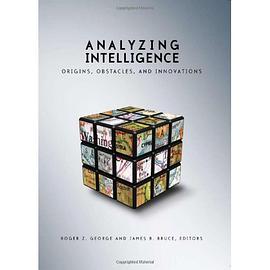
Analyzing Intelligence
Douban
George, Roger Z. (EDT)/ Bruce, James B. (EDT)
publishing house:
Georgetown Univ Pr
2008
- 4
Drawing on the individual and collective experience of recognized intelligence experts and scholars in the field, "Analyzing Intelligence" provides the first comprehensive assessment of the state of intelligence analysis since 9/11. Its in-depth and balanced evaluation of more than fifty years of U.S. analysis includes a critique of why it has under-performed at times. It provides insights regarding the enduring obstacles as well as new challenges of analysis in the post-9/11 world, and suggests innovative ideas for improved analytical methods, training, and structured approaches. The book's six sections present a coherent plan for improving analysis. Early chapters examine how intelligence analysis has evolved since its origins in the mid-20th century, focusing on traditions, culture, successes, and failures.The middle sections examine how analysis supports the most senior national security and military policymakers and strategists, and how analysts must deal with the perennial challenges of collection, politicization, analytical bias, knowledge building and denial and deception. The final sections of the book propose new ways to address enduring issues in warning analysis, methodology (or 'analytical tradecraft') and emerging analytic issues like homeland defense. The book suggests new forms of analytic collaboration in a global intelligence environment, and imperatives for the development of a new profession of intelligence analysis. "Analyzing Intelligence" is written for the national security expert who needs to understand the role of intelligence and its strengths and weaknesses.Practicing and future analysts will also find that its attention to the enduring challenges provides useful lessons-learned to guide their own efforts. The innovations section will provoke senior intelligence managers to consider major changes in the way analysis is currently organized and conducted, and the way that analysts are trained and perform.