性别研究
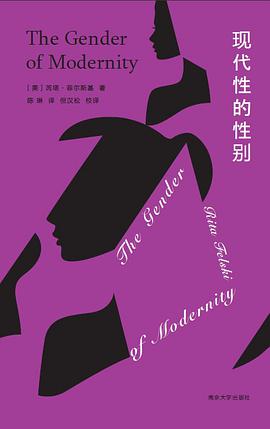
现代性的性别
The Gender of Modernity Douban
★ 9.1 29 ratings
[美]芮塔·菲尔斯基 (Rita Felski) translator: 陈琳 / 但汉松(校译) publishing house: 南京大学出版社 2020 - 6
本书对女性与现代性之间的复杂关系进行了创新而激动人心的探索,挑战了传统的以男性为中心的现代性理论,并大胆质疑了某些女性主义观点,这些观点或是将现代性妖魔化为内在的父权制的产物,或是假定了一个有关现代社会男性经验和女性经验之间的简单对立。作者将文化历史和文化理论相结合,聚焦于19世纪末这个特殊的历史时期,对怀旧、消费、女性书写、大众化的崇高、进化、革命和变态等概念进行了检视。她从比较和跨学科的视角出发,对来自英语、法语和德语传统的大量文献进行了细致的文本分析,涉及社会学理论、现实主义和自然主义小说、颓废文学、政论文章和演讲、性学话语,以及通俗情感小说等多个领域,分析的男性和女性作家包括齐美尔、左拉、萨克-马索克、拉希尔德、玛丽•科雷利、王尔德和奥利芙•施赖纳等。 “得益于菲尔斯基开阔的批评视野和丰富的批评情感,该书提供了对性别和现代性的绝佳思考,而且菲尔斯基最终让我们相信,对这两个问题的思考必须紧密联系在一起。我想不出还有什么书能具有这种兴趣的广度,以及对理论价值变化的警觉。可以说,菲尔斯基以出类拔萃的水准,用后结构主义的方法书写了一部翔实的历史唯物主义佳作。说这本书充满智慧毫不为过:它缜密公允,关注政治,兼收并蓄,又具有令人振奋的跨学科思维。” ——詹妮弗•维克(Jennifer Wicke), 纽约大学 “菲尔斯基向我们证明了性和性别对现代主义/现代性文化的核心意义,她的研究复杂而巧妙,既利用了当代理论,又借助了对手边材料的历史研究。与她先前的论著一样,菲尔斯基展现了扎实的、前沿的学者知识,同时对该领域一些过热的理论话语表现出了良好的冷静态度。她对女性主义、后结构主义、马克思主义等常见的理论观点的评论总是十分公正,她文笔清晰,论证中闪耀着洞见的火花。” ——安德烈亚斯•许森(Andreas Huyssen),哥伦比亚大学
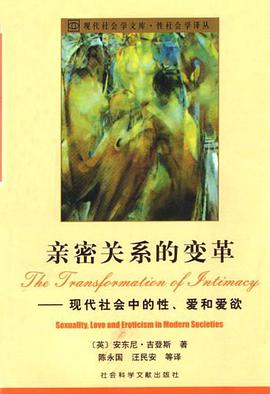
亲密关系的变革
Douban
★ 7.8 12 ratings
[英国] 安东尼·吉登斯 translator: 陈永国 / 汪民安 等 publishing house: 社会科学文献出版社 2001 - 2
安东尼·吉登斯在《亲密关系的变革:现代社会中的性、爱和爱欲》中阐述的是他所一贯追求的民主观:每个个人都应尊重他人的能力;不滥用权威和武力,以保证决策的协商性;个人参与决定相互联系的条件;个人能有效地实现其目标。
Feminism, Labour and Digital Media:The Digital Housewife
女性主义,劳工和数字媒体:数字家庭主妇 Douban
Kylie Jarrett publishing house: Routledge 2015 - 3
There is a contradiction at the heart of digital media. We use commercial platforms to express our identity, to build community and to engage politically. At the same time, our status updates, tweets, videos, photographs and music files are free content for these sites. We are also generating an almost endless supply of user data that can be mined, re-purposed and sold to advertisers. As users of the commercial web, we are socially and creatively engaged, but also labourers, exploited by the companies that provide our communication platforms. How do we reconcile these contradictions? Feminism, Labour and Digital Media argues for using the work of Marxist feminist theorists about the role of domestic work in capitalism to explore these competing dynamics of consumer labour. It uses the concept of the Digital Housewife to outline the relationship between the work we do online and the unpaid sphere of social reproduction. It demonstrates how feminist perspectives expand our critique of consumer labour in digital media. In doing so, the Digital Housewife returns feminist inquiry from the margins and places it at the heart of critical digital media analysis.