日本历史
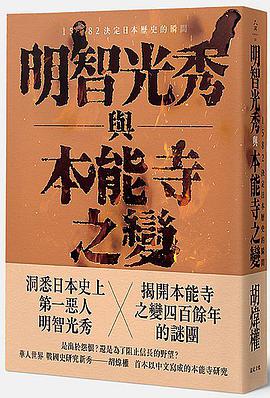
明智光秀與本能寺之變
Douban
胡煒權 publishing house: 遠足文化 2017 - 7
天正十年六月二日,即西曆一五八二年六月二十一日,在日本京都發生了一宗堪稱影響日本戰國時代,甚至日本歷史發展的事件—「本能寺之變」。當時欲以結束戰國亂世、統一日本的織田信長被他最信任的家臣之一的明智光秀率兵突襲。信長以寡兵抗戰不果,最後在本能寺的烈焰中自殺,享年四十九歲。 不久後,信長的長子織田信忠也在二條新御所中力戰而亡。一晚之間,叱吒戰國的織田父子雙雙死去,然而十三日之後,明智光秀在孤立無援的情況下,於山崎之戰被趕來為信長父子報仇的同僚、競敵—羽柴秀吉所敗,光秀據傳在京都山科效外中伏被殺。就這樣在十三日內,這個戰國史,甚至是日本史上最著名的事件中的肇事者一一死去,可說是天意難測。這個事件改變了往後戰國史及日本近世史的發展,在山崎之戰中為主君報仇成功的羽柴(豐臣)秀吉隨後建立了豐臣政權,而本為織田信長的盟友的德川家康也間接得到機會獨立,為日後創建德川幕府設下伏筆。 然而,對於這件足以影響日本中近世史發展的事件,直至到四百二十四年後的今日,依然是一個令人百思不解,卻又使人們不停研究的題目。當然,最大的原因是因為到目前為止,明智光秀的動機到底是什麼?又怎樣做到神不知,鬼不覺?還有,背後是否存在合謀。這三個問題,相信是不少現今的戰國史愛好者及史學家都想得到答案的。事實上,由江戶時代到現代,已經有無數的文人、小說家、軍記小說語作者、儒史學者及現代的史學家們絞盡腦汁地去嘗試提供答案。 事實上,為解答這三個「看來基本,實在難解」的問題,到目前為止已經出現不少的說法及推論,並想像出一切的可能,希望從中得出最具信服力的論說。但說實在,這四十多個說法並不是個個都具有信服力,不少只不過是揣測、幻想,甚至根本是缺乏根據的。最終真正具有一定信憑性、又得到史學界大致採納的有以下四種說法: ①野心說 ②怨恨說 ③各種陰謀論說 (主要) 一、足利義昭陰謀論說 二、朝廷陰謀論說 三、耶穌會陰謀論說 四、豐臣秀吉陰謀論說 五、德川家康陰謀論說 ④信長野望阻止說 簡而言之,①、②、④可歸納為單獨行事,而③則是合謀行事。說法③的各種陰謀論說在近年的史學界呼聲甚高,同時也符合日本人極好陰謀論的思維,令各種的陰謀、陰謀論說幾近成定說。但是,由於都沒有決定性的史料去完全確定明智光秀的動機,自然也不能把其他的說法完全排除。 在檢視諸說法之前,有必要先從可信性較高的史料中,解釋、分析與本能寺之變有關的幾個要點: 一、明智光秀的一生 二、明智光秀在織田家的地位與功績 三、明智光秀與織田信長最後的關係 在這樣的前提下,再檢證各說法的可接納程度及當中的個別問題,這樣或能使包圍著本能寺之變的迷霧逐漸消去。 為此,本書將在本書第二部中嘗試分析上述的各個說法,並且透過利用一次史料、其他較可信的軍記小說以及諸位現在活躍於研究戰國史及本能寺之變的學者的論文、著書,試圖解明、追溯明智光秀為什麼、如何發動本能寺之變,並嘗試析論到目前為止,學界、坊間對事變的解釋事變的諸項說法,以及事變與織田政權政策的因果關係。最後,並在最後一章中談談筆者個人見解。 遺憾的是,筆者深感因為本身的史識不足,加上史料所限,以及考慮到各位讀者的閱讀需要,或許無法十分清晰地把所有的問題都完全解釋清楚,同時由於本書的定題所限,一些相關課題,好像「本能寺之變與豐臣政權的成立關係」,以及「織田政權內部的結構、權力分配與本能寺之變的關係」等等,都只好忍痛割愛,留待日後再與讀者一同探討。
历史秘话 (2009)
歴史秘話ヒストリア Season 1 Douban
actor: 渡邊あゆみ
第1回 - 愛あるケンカ 武士の世をひらく 北条政子 源頼朝 夫婦の革命 (2009年4月1日) 第2回 - 謙信、変身! 悩める若者、ヒーローになる (2009年4月8日) 第3回 - 美の戦国合戦 長谷川等伯 vs. 狩野永徳 絵師たちの夢と野望 (2009年4月15日) 第4回 - 明治悪妻伝説 初代“ハンサムウーマン”新島八重の生涯 (2009年4月22日) 第5回 - 謎の忍者軍団 知られざる“忍びの里”物語 (2009年4月29日) 第6回 - 新選組 京都青春録 素顔の沖田・土方・近藤(2009年5月13日) 第7回 - 裁判はじめて物語 明治の人々はどうしたの? (2009年5月20日) 第8回 - いつだって好奇心 水戸黄門 知られざる熱中人生 (2009年5月27日) 第9回 - ヨコハマ・ドリーム よみがえる明治ロマンの港町 (2009年 6月3日) 第10回 - 親父!いいかげんにしてくれよ! 信長に振り回された家族たち (2009年6月10日) 第11回 - 絶望するな ダザイがいる 太宰治「人間失格」誕生秘話 (2009年6月17日) 第12回 - 俺たちは“負け組”じゃない! 奮闘!坂本龍馬と亀山社中(2009年6月24日) 第13回 - さわるな危険! 宮武外骨 反骨の闘士 時代と格闘す(2009年7月1日)
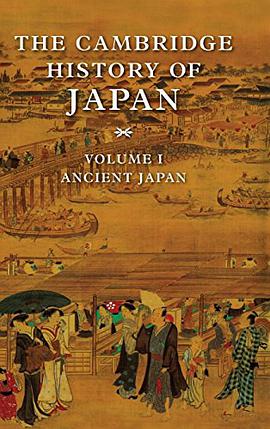
The Cambridge History of Japan, Vol. 1
Douban
Delmer M.Brown publishing house: 劍橋大學出版社 1993 - 7
Review "...the book contains much valuable information..." Journal of Japanese Studies "The editor is to be congratulated on having made available in English essays on a wide spectrum of important aspects of Japan's ancient past. Students of Japanese history and culture will find much to learn from these most informative essays, which represent the latest western and Japanese scholarship." Canadian Journal of History "This is an important and useful contribution to the generalizing literature on early Japan...a solid, well-executed reference volume on Japanese history from earliest times to the late eighth century. Specialists in Japanese history or scholars of any field of study who focus on the ancient period will certainly want to add it to their shelves, but I warmly recommend it as a high-level introduction to the period for non-Japan specialists, as well." Karl F. Friday, JESHO "In the final analysis, Ancient Japan has opened up the early history of the archipelago in unprecedented fashion, and we now have a stable base from which to launch further research. For that, the editor, the contributors, the translators, and the staff of the Cambridge University Press who worked to make this book plausible deserve our hearty thanks." Harvard Journal of Asiatic Studies Product Description Japan's ancient age was a period of radical and political change during which a Chinese-style empire emerged. This volume of The Cambridge History of Japan spans the beginnings of human existence to the end of the eighth century, focusing on the thousand years between 300 B.C. and 784, the end of the fabulous Nara period. The volume explores this period in four stages: (1) The Yayoi period (to about 250 A.D.) when small kingdoms and kingdom federations accumulated enough power to dispatch diplomatic missions to Korea and China; (2) the Yamato period (to 587) when priestly rulers, having gained economic and military power, conquered most of Japan; (3) the Century of Reform (to 710) when Japanese leaders, pressed by China's expanding T'ang empire, set out to build a strong Chinese-style empire of their own; (4) the Nara period (to 784) when spectacular literary, artistic, architectural, and religious advances were made.