比较政治
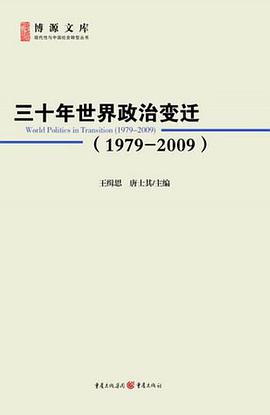
三十年世界政治变迁
Douban
王缉思 / 唐士其 publishing house: 重庆出版社 2012 - 2
《三十年世界政治变迁(1979-2009)》内容简介:的焦点问题,《三十年世界政治变迁(1979-2009)》是近30年来的世界政治“从哪里来,到哪里去”,即世界政治沿着什么样的轨迹发展?各国的政治模式、意识形态是向所谓“终结”的同一方向进步,还是向多元化、多样化、多极化的方向分道扬镳?本书基本采用实证方法,借鉴当代政治思想和比较政治的研究思路和成果,分别对世界各个地区和重要国家30年来的政治发展进行纵向考察,在此基础上综合分析,回答上述问题。对各国政治和地区政治的实证考察,将聚焦于三个方面: (1)政治制度的连续性和变化; (2)社会政策的基本取向及其政治和意识形态基础; (3)政治精英与知识精英的基本价值取向。 《三十年世界政治变迁(1979-2009)》的重点即是对过去30年来世界主要大国和地区的政治、经济、社会变化进行综合分析和总结,既注重对变化基本趋势的把握,又力求在此基础之上捕捉各国、各地区潜在的未来变化方向,并对此进行具有逻辑与事实根据的论证与说明。概括起来,30年来的世界政治变迁大体经历了各具特点的三个阶段: (1)1978年到冷战结束,经济自由、政治民主大行其道; (2)20世纪最后10年,西方经历内部调整,但在秩序、制度及价值观层面仍占主导地位; (3)21世纪初,西方经济主导地位和美国“软实力”均有所下降,全球化负面作用日益突出,民主、自由、人权、法治、理性、市场经济多位一体的发展模式受到严峻挑战。 虽然过去30年来世界各主要地区的发展变化各具特色,但仍然具有一些共同的内容、也已经体现出某些可识别的未来发展趋势。过去30年世界政治的变迁,从新自由主义及其政策取向在主要发达国家独领风骚、社会主义国家反思自身发展模式开始,经过全球化带来的巨大的经济、政治和经济震荡,到各国重新探索适合本国国情的发展道路并重新审视国家与社会、政府与市场的关系告一段落,世界政治走完了一个螺旋上升的过程。随着冷战结构的彻底破除、新自由主义一统天下局面的结束,全球性联系在向各国社会纵深发展,在促进世界政治向真正意义上的多样化发展的同时,也推动着世界政治同一性的增强。同一性与多样性并存,是当今世界政治的一个基本特征。 《三十年世界政治变迁(1979-2009)》采用国别研究的方式,分别对北美洲、欧洲、拉丁美洲、非洲、亚洲和中东等六个地区的40余个国家的政治变迁进行研究论述。
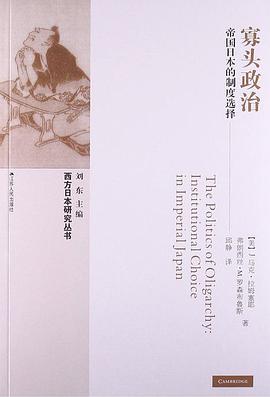
寡头政治
The Politics of Oligarchy: Institutional Choice in Imperial Japan Douban
【美】J.马克·拉姆塞耶 等 translator: 邱静 publishing house: 江苏人民出版社 2013 - 9
《西方日本研究丛书·寡头政治:帝国日本的制度选择》的目标是要对疑问重重的战前日本历史进行重新诠释。为什么寡头们开设了国会,同时又使军队脱离了文官控制?为什么战前日本的政党如此腐败?为什么日本的民主实践如此短暂?为什么军队最终获得了无可匹敌的权力?《西方日本研究丛书·寡头政治:帝国日本的制度选择》应用理性选择理论对这些问题进行了回答。
The Rational Peasant
Douban
Samuel L. Popkin publishing house: University of California Press 1979 - 6
Popkin develops a model of rational peasant behavior and shows how village procedures result from the self-interested interactions of peasants. This political economy view of peasant behavior stands in contrast to the model of a distinctive peasant moral economy in which the village community is primarily responsible for ensuring the welfare of its members.
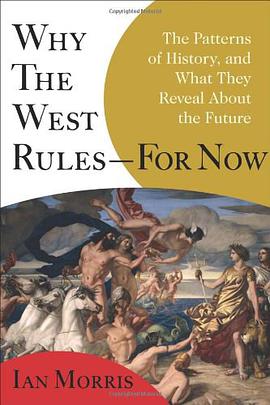
Why the West Rules--For Now
Douban
Ian Morris publishing house: Farrar, Straus and Giroux 2010 - 10
Why does the West rule? In this magnum opus, eminent Stanford polymath Ian Morris answers this provocative question, drawing on 50,000 years of history, archeology, and the methods of social science, to make sense of when, how, and why the paths of development differed in the East and West — and what this portends for the 21st century. There are two broad schools of thought on why the West rules. Proponents of "Long-Term Lock-In" theories such as Jared Diamond suggest that from time immemorial, some critical factor— geography, climate, or culture perhaps — made East and West unalterably different, and determined that the industrial revolution would happen in the West and push it further ahead of the East. But the East led the West between 500 and 1600, so this development can't have been inevitable; and so proponents of "Short-Term Accident" theories argue that Western rule was a temporary aberration that is now coming to an end, with Japan, China, and India resuming their rightful places on the world stage. However, as the West led for 9,000 of the previous 10,000 years, it wasn't just a temporary aberration. So, if we want to know why the West rules, we need a whole new theory. Ian Morris, boldly entering the turf of Jared Diamond and Niall Ferguson, provides the broader approach that is necessary, combining the textual historian's focus on context, the anthropological archaeologist's awareness of the deep past, and the social scientist's comparative methods to make sense of the past, present, and future— in a way no one has ever done before.
The Logic of Political Survival
The Logic of Political Survival Douban Goodreads
Bruce Bueno de Mesquita / Alastair Smith … publishing house: The MIT Press 2004 - 3
The authors of this ambitious book address a fundamental political question: why are leaders who produce peace and prosperity turned out of office while those who preside over corruption, war, and misery endure? Considering this political puzzle, they also answer the related economic question of why some countries experience successful economic development and others do not.The authors construct a provocative theory on the selection of leaders and present specific formal models from which their central claims can be deduced. They show how political leaders allocate resources and how institutions for selecting leaders create incentives for leaders to pursue good and bad public policy. They also extend the model to explain the consequences of war on political survival. Throughout the book, they provide illustrations from history, ranging from ancient Sparta to Vichy France, and test the model against statistics gathered from cross-national data. The authors explain the political intuition underlying their theory in nontechnical language, reserving formal proofs for chapter appendixes. They conclude by presenting policy prescriptions based on what has been demonstrated theoretically and empirically.
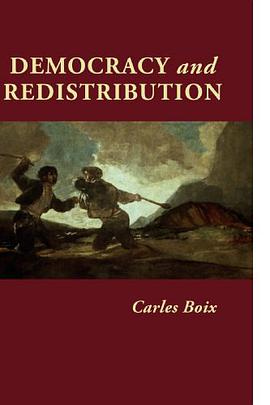
Democracy and Redistribution
Douban
Carles Boix publishing house: 劍橋大學出版社 2003 - 7
"...sweeping in its thematic scope. All should be stimulated by the theoretical debate. Recommended." C.H. Blake, James Madison University, CHOICE "Anyone interested in the origins of democracy or in contemporary political economy will need to read this important work." Nicolas van de Walle, Cornell University