电子
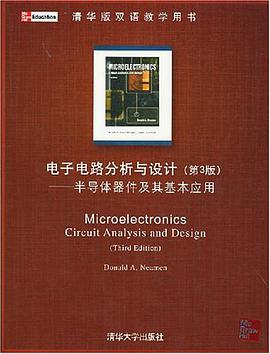
电子电路分析与设计
Electronic Circuit Analysis and Design Douban
Donald A.Neamen publishing house: 清华大学 2007 - 11
全书包括半导体器件及其基本应用、模拟电子学和数字电子学三个部分,共17章。第一部分包括第1~8章,主要阐述半导体材料和二极管、二极管电路、场效应管及其放大电路、晶体三极管及其放大电路、频率响应、输出级和功率放大电路等。第二部分包括第9~15章,主要阐述理想运放及其基本应用、集成电路的偏置电路和有源负载、差分及多级放大电路、反馈及稳定性、运算放大电路、运算放大电路中非理性因素的影响、集成电路的应用和设计等。第三部分包括第16和17章,主要阐述NMOS、CMOS、BiC—MOS、ECL逻辑电路的组成,不同类型门电路的工作原理和电气特性,触发器、时序逻辑电路、存储器的构成和逻辑功能,并介绍模数转换器和数模转换器的基本组成和工作原理。
业余无线电手册
The ARRL Handbook for Radio Communications 2008 Douban
[美] 美国业余无线电转播联盟 translator: 火腿翻译组 publishing house: 人民邮电出版社 2010 - 6
ARRL《业余无线电手册》被全球无线电爱好者奉为圣典,无论是无线电爱好者,还是电子工程师和技术人员,都能从该书中找到值得信赖的理论、标准和实践指导。本手册自20世纪20年代首次出版以来,每年出版一次,每一版都紧跟技术应用发展的最前沿。本书译自《The ARRL HANDBOOK》第85版。 全书共分26章,全面包含了业余无线电领域所能涉及的电子、通信方面的知识。它不仅介绍了什么是业余无线电活动及业余无线电活动的内容,还从理论知识到实践指导,囊括了电子基础概念、元器件和电路模块、模拟和数字电路设计、故障检修技术、收发信操作技巧、无线电收发设备制作、天线设计等内容,包括许多优秀的电路设计和设备制作实例。 本书是业余无线电爱好者的必备手册,同时,也非常适合从事无线电技术和通信技术的电子工程师和技术人员及相关专业师生阅读。
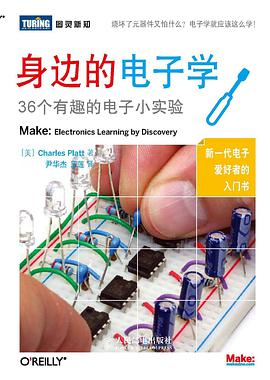
身边的电子学
Make: Electronics - Learning by Discovery, a hands-on primer for the new electronics enthusiast,1E Douban
Charles Platt translator: 尹华杰 / 王莲 publishing house: 人民邮电出版社 2011 - 4
想以轻松娱乐的方式,通过亲手实践来学习电子学的基础知识吗?打开本书,你就踏上了电子实验项目制作的全新旅程。书中一系列令人着迷的实验,带你探索电子学的奇妙胜境。你将先搭建电路,然后再学习其中的理论! 让我们来——  通过破坏东西来发现:利用元件进行实验,并从失败中汲取经验。不破不立,对吧?  建立起一个像样的小型电子实验场所:在家里开辟一块工作区,装备上必需的工具 和元器件。  在电路中了解主要电子元器件及其功能。  制作侵入报警器、电子骰子、音频处理设备、反应测试仪及组合锁等。  制作机器人小车,让它感知环境,并灵敏地绕过障碍物。  对自己做的实验及心中疑问获得清楚、容易理解的解释。 由简到繁地制作确实能用的电子设备 你将从基础的电路实验项目开始入手,向更加复杂的项目迈进:从开关电路到集成电路,从简单的报警器到复杂的可编程微控制器。一步步的操作指南以及500余幅全彩照片和图片绝对给力,助你深入理解并灵活运用电子学的概念与技术。
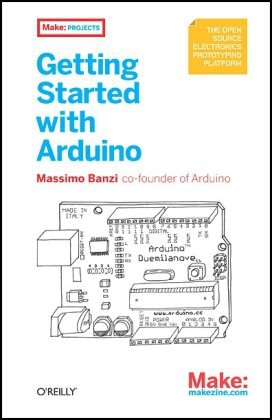
Getting Started with Arduino
Douban
Massimo Banzi publishing house: Make Books 2008 - 10
This valuable little book offers a thorough introduction to the open-source electronics prototyping platform that's taking the design and hobbyist world by storm. Getting Started with Arduino gives you lots of ideas for Arduino projects and helps you get going on them right away. From getting organized to putting the final touches on your prototype, all the information you need is right in the book. Inside, you'll learn about: Interaction design and physical computing The Arduino hardware and software development environment Basics of electricity and electronics Prototyping on a solderless breadboard Drawing a schematic diagram And more. With inexpensive hardware and open-source software components that you can download free, getting started with Arduino is a snap. To use the introductory examples in this book, all you need is a USB Arduino, USB A-B cable, and an LED. Join the tens of thousands of hobbyists who have discovered this incredible (and educational) platform. Written by the co-founder of the Arduino project, with illustrations by Elisa Canducci, Getting Started with Arduino gets you in on the fun! This 128-page book is a greatly expanded follow-up to the author's original short PDF that's available on the Arduino website.