python
利用Python进行数据分析
Python for Data Analysis Douban
★ 8.5 15 ratings
Wes McKinney translator: 唐学韬 publishing house: 机械工业出版社 2013 - 11
【名人推荐】 “科学计算和数据分析社区已经等待这本书很多年了:大量具体的实践建议,以及大量综合应用方法。本书在未来几年里肯定会成为Python领域中技术计算的权威指南。” ——Fernando Pérez 加州大学伯克利分校 研究科学家, IPython的创始人之一 【内容简介】 还在苦苦寻觅用Python控制、处理、整理、分析结构化数据的完整课程?本书含有大量的实践案例,你将学会如何利用各种Python库(包括NumPy、pandas、matplotlib以及IPython等)高效地解决各式各样的数据分析问题。 由于作者Wes McKinney是pandas库的主要作者,所以本书也可以作为利用Python实现数据密集型应用的科学计算实践指南。本书适合刚刚接触Python的分析人员以及刚刚接触科学计算的Python程序员。 •将IPython这个交互式Shell作为你的首要开发环境。 •学习NumPy(Numerical Python)的基础和高级知识。 •从pandas库的数据分析工具开始。 •利用高性能工具对数据进行加载、清理、转换、合并以及重塑。 •利用matplotlib创建散点图以及静态或交互式的可视化结果。 •利用pandas的groupby功能对数据集进行切片、切块和汇总操作。 •处理各种各样的时间序列数据。 •通过详细的案例学习如何解决Web分析、社会科学、金融学以及经•济学等领域的问题。
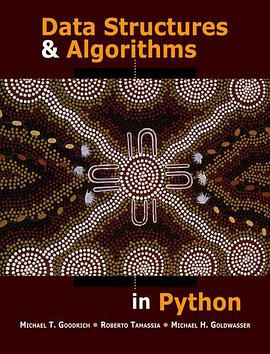
Data Structures and Algorithms in Python
Douban Goodreads
Michael T. Goodrich / Roberto Tamassia … publishing house: John Wiley & Sons 2013 - 7
Based on the authors' market leading data structures books in Java and C++, this book offers a comprehensive, definitive introduction to data structures in Python by authoritative authors. Data Structures and Algorithms in Python is the first authoritative object-oriented book available for Python data structures. Designed to provide a comprehensive introduction to data structures and algorithms, including their design, analysis, and implementation, the text will maintain the same general structure as Data Structures and Algorithms in Java and Data Structures and Algorithms in C++. Begins by discussing Python's conceptually simple syntax, which allows for a greater focus on concepts. Employs a consistent object-oriented viewpoint throughout the text. Presents each data structure using ADTs and their respective implementations and introduces important design patterns as a means to organize those implementations into classes, methods, and objects. Provides a thorough discussion on the analysis and design of fundamental data structures. Includes many helpful Python code examples, with source code provided on the website. Uses illustrations to present data structures and algorithms, as well as their analysis, in a clear, visual manner. Provides hundreds of exercises that promote creativity, help readers learn how to think like programmers, and reinforce important concepts. Contains many Python-code and pseudo-code fragments, and hundreds of exercises, which are divided into roughly 40% reinforcement exercises, 40% creativity exercises, and 20% programming projects.