童诗

给聪明孩子的故事与诗
Douban
[美]哈罗德·布鲁姆
translator:
戎林海
/
黄橙
…
publishing house:
广西师范大学出版社
2021
- 5
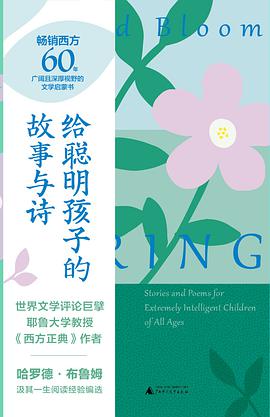
由哈罗德·布鲁姆教授编选的《给聪明孩子的故事与诗》分“春”“夏”“秋”“冬”四卷,精选他从 5 岁反复阅读到 70 岁的文学经典,包括深具启迪和娱乐性的41个故事、传说和84首诗歌。内容大多是十九世纪或更早的作品,既涵盖诸如莎士比亚、马克 • 吐温、惠特曼、济慈、伊索、屠格涅夫 等 名家著作 ,也有不少颇有逸趣的佚名作品。这本书集合了那些最好的、最敞开心扉的幻想、叙述、抒情以及思索,给予孩子清楚、独立、鲜明的自我,同时,也让每个年龄段的读者都可有所收获。
编辑推荐:
*世界文学评论巨擘哈罗德·布鲁姆编选,畅销六十年的传世之作
哈罗德·布鲁姆是美国当代著名文学教授、文学理论家,是文学评论界的巨擘。《给聪明孩子的故事与诗》的不同之处在于,其更加大众,是布鲁姆对从孩童以来便反复阅读的内容的编选,几乎没有阅读门槛。《给聪明孩子的故事与诗》自20世纪60年代编选,于今已有60多年。时至今日,依然是西方文学启蒙的畅销书,十分经典。
*阅读人类文学史上最杰出的作品,提高儿童阅读审美及文学涵养
哈罗德·布鲁姆教授认为的,只要有合适的环境,孩子们都是“天然的读者”,“只要将孤单的孩子们与最佳的书籍神奇地联系在一起,阅读就会持续下去”。也许这个契机就是《给聪明孩子的故事与诗》,让他们能够爱上阅读,让书可以陪伴他们成长。使他们在莎士比亚、霍桑、普希金的文学世界中,收获“独立的自我,鲜明的自我”。
*当代文学最著名的文学批评家亲自甄选,了解西方古典文学的集大成之作
作为文学评论巨擘,哈罗德·布鲁姆教授挑选的文章都很适合孩子阅读。因为相信孩子是“天然的读者”,他的选篇,没有那种成年人的傲慢。大家们很多晦涩难懂的作品,没有入选,相反,他选入的作品,大都比较直白、简单,富有感情,有着朴素的善良。这也是孩子们在人生一开始时,最需要的。
*经典却不乏趣味,内容、主题、体裁丰富多样
《给聪明孩子的故事与诗》包括了寓言、童谣、诗歌、侦探小说、惊险小说、“鬼”故事、滑稽文学,涉及的主题有自然、超自然、童年、爱情、死亡、动物、精灵、冒险、神秘、幽默等等,莎士比亚、济慈、契科夫、普希金、霍桑等著名作家的作品都有收录。这保证了《给聪明孩子的故事与诗》既经典,又娱乐性、趣味性十足。《给聪明孩子的故事与诗》更能拓展孩子,利用其尚未发现的能量,使对自己的潜能有一个更好的了解。此外,主题、题材的广泛,也会勾起读者的阅读兴趣,因为他们无法预测下一篇又会是怎样的。
*不止写给孩子,从出生到暮年可以反复阅读的大家之作
哈罗德·布鲁姆教授是不接受“儿童文学”这样的分类的。因为他认为这个标签代表难度的降低,会毁掉文学文化。所以他所选择的诗歌和故事,其实是敞开给各个年龄段的真正读者。虽然它们并不是晦涩难懂的,但无损其启迪性。《给聪明孩子的故事与诗》是一片开放的田野,它没有对读者的年龄进行限制。成年人在其间,也会发现适合自己的作品,发现那些带给他们快乐的文字。或许也会使他们在被电子设备充斥的生活里,重拾孩童时阅读的简单快乐。
*以季节呈现文学之美,视觉设计醒目突出
《给聪明孩子的故事与诗》虽为文学经典,但呈现上并不大部头:各分卷以不同颜色呈现了不同季节,色彩多样;设计上更加青春活泼,却不低龄,贴近年轻人的同时,也不失其经典感;书的成品尺寸仅为130mm×200mm,小巧轻便;方脊设计,留住线条之美且充满质感。《给聪明孩子的故事与诗》以完整竖腰条围绕,既能保证书的整体性,也能避免因使用函盒而导致的重量问题。
一笑了之
Douban
(英)爱德华·利尔
/
Edward·Lear
translator:
沈小均
2006
- 9
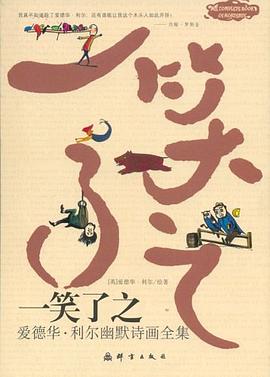
爱德华·利尔(edward lear,1812—1888)于1812年5月12日出生于海格特,在家里20个孩子中排行老幺。其父耶利米·利尔是伦敦一位股票经纪人。爱德华4岁时,父亲在股市交易中违规操作而家业衰败,全家人只好放弃已经习惯的好日子,爱德华交由比他长21岁的姐姐抚养教育,其母对此似乎一无所为,年幼的爱德华与母亲也没有什么感情,但他从姐姐身上找到自己所需要的关爱。他的早期教育由两个姐姐安和萨娜指导完成,她们除了教他传统课本上的知识以外,还经常给他读些经典童话与现代诗歌,并教他画画,特别是画一些自然界的事物。
爱德华14岁时,退休的父亲已无力养家,爱德华还是靠姐姐安生活,并开始靠画画谋生。18岁时,他的两幅乌类画作得以发表,并给他带未了良好的声誉。后来,他过着浪迹天涯的画家生活,足迹遍布南欧各国,写下了很多附有写生画的游记。卒于意大利圣利库城。
人们不能不将爱德华·利尔视为英国文学史上最奇特的人物之一,过去如此,现在也如此。凭着那些在他看来只是某种消遣的东西,爱德华·利尔曾使自己在名望的殿堂中不起眼地占据一席之地,直到19世纪文学界宣布这些作品为之喜闻乐见,情况就不一样
Book of Nonsense
Douban
Edward Lear
publishing house:
Routledge
2002
- 7
在线阅读本书
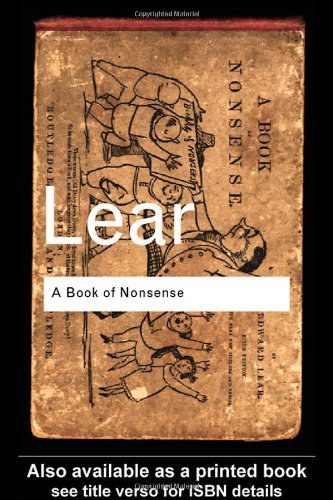
One of the world's most loved writers, Lear's verse has delighted whole generations of readers. Now A Book of Nonsense is available once again from his original publishers.
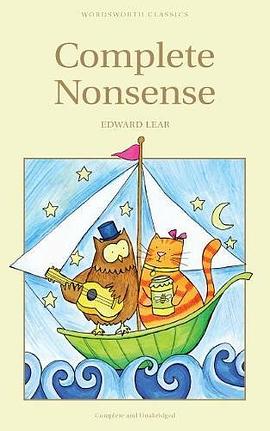
COMPLETE NONSENSE
Douban
Edward Lear
publishing house:
Wordsworth Editions
1994
- 10
Book Description
The highest standards in editing and production have been applied to the Wordsworth Children's Classics, while the low price makes them affordable for everyone. Wordsworth's list covers a range of the best-loved stories for children, from nursery tales, classic fables, and fairy tales to stories that will appeal to older children and adults alike. Many of these volumes have contemporary illustrations, and while they are ideal for shared family reading, their attractive format will also encourage children to read for themselves. Like all Wordsworth Editions, these children's books represent unbeatable value.
This edition of Lear's work contains all the verse and stories of "The Book of Nonsense", "More Nonsense", "Nonsense Songs", "Nonsense Stories and Nonsense Alphabets" and "Nonsense Cookery".
Amazon.com
"He reads but he cannot speak Spanish, / He cannot abide ginger-beer; / Ere the days of his pilgrimage vanish, / How pleasant to know Mr. Lear!" writes the 19th-century English poet Edward Lear in "Self Portrait of the Laureate of Nonsense." When The Book of Nonsense was first published in 1845, under Lear's pseudonym, Derry Down Derry, it was a success--some say it turned the once stodgy, didactic world of children's literature on its head.
This rollicking poetic romp begins with "A Book of Nonsense" (1846), a slew of more-odd-than-bawdy limericks about the Young Lady of Wales, the Old Man of Vienna, and many, many more, all accompanied by the spare, whimsical ink drawings done by Lear himself. Part two urges readers to leap into "Nonsense Songs, Stories, Botany and Alphabets" (1871), including the classic "The Owl and the Pussy-cat" and "The Jumblies" (who "went to sea in a Sieve"), along with equally rib-tickling but lesser known selections such as "The Nutcrackers and the Sugar-Tongs." In this section, you'll also discover instructions for how to make Crumbobblious Cutlets, a "Nonsense Botany" guide featuring the Bottlephorkia spoonifolia and the Manypeeplia upsidownia, and "Nonsense Alphabets," strange little poems about quills, rattlesnakes, screws, and other words beginning with letters.
Part three merrily inflicts "More Nonsense Pictures, Rhymes, Botany, &c." (1877) on readers with the well-known plant Washtubbia circularis and more wacky limericks such as "There was an old person of Bar, / Who passed all her life in a jar, / Which she painted pea-green, to appear more serene, / That placid old person of Bar." As icing on a very strange cake, the last section offers "Laughable Lyrics, A Fourth Book of Nonsense Poems, Songs, Botany, Music, &c." (1877), notably including "The Pobble Who Has No Toes." Lear's quirky sense of humor infuses every line of his ever skillful verse, which is often alliterative, and always very silly. Lear, the Laureate of Nonsense, frolics frivolously, and no one should ever go to sea in a Sieve without a copy of this book in tow. (All ages)
--Karin Snelson
About Author
Edward Lear (1812-1888) Born in London, Edward Lear was the youngest of twenty-one children. He made his reputation as a water-colorist, and invented himself as an Old Man with a Beard.
Book Dimension :
length: (cm)17.8 width:(cm)11