progressive-rock
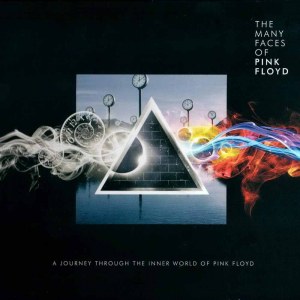
The Many Faces Of Pink Floyd: A Journey Through The Inner World Of Pink Floyd
Douban
Various Artists
release date 2013-05-21
publisher:
Music Brokers
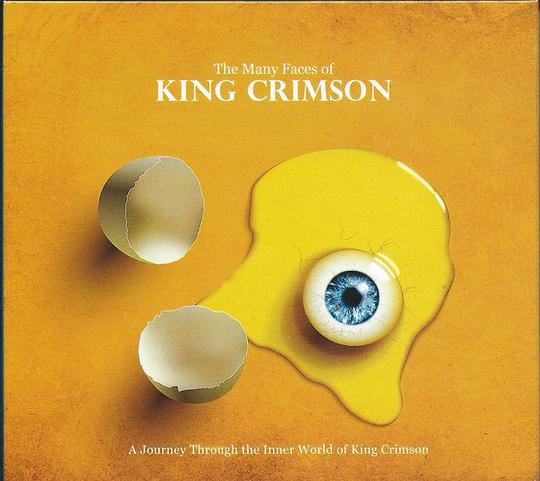
King Crimson - The Many Faces Of King Crimson
Douban
Various
/
克里姆森国王/血腥国王 King Crimson
release date 2016-01-01
publisher:
Music Brokers
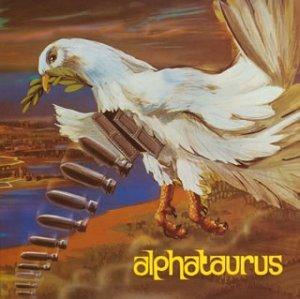
Alphataurus
Douban
Alphataurus
release date 2003-06-18
Japanese remastered reissue of the Italian progressive rock act's 1973 debut album, packaged in a miniature LP gatefold sleeve features 5 tracks. Disc Union. 2003.

King Crimson Live Improvs Vol.3 (1973-1974) England Italy Spain & USA
Douban
克里姆森国王/血腥国王 King Crimson
genre:
Rock
release date 2003-01-01
publisher:
dgm live
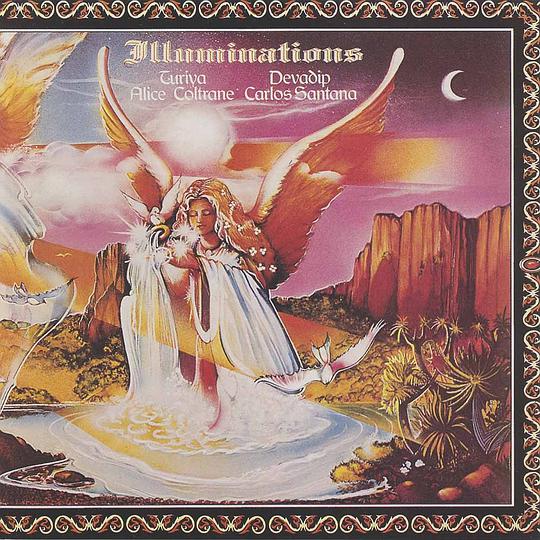
Illuminations
Douban
Santana & Alice Coltrane
genre:
Rock
release date 1974-01-01
publisher:
CBS
lluminations is a 1974 collaboration between Alice Coltrane and Carlos Santana. Jazz musicians Jules Broussard, Jack DeJohnette and Dave Holland also contributed to the record, on saxophone, flute, drums and bass.
Alice Coltrane performs on harp, piano, and Wurlitzer organ and arranged and conducted the string section. Carlos Santana (whose Indian name "Devadip" appears on the sleeve, as Alice's Turiya) plays electric guitar in a minimal style, using feedback, long notes and simple melodies and lending much space to the other instruments. The album is conceived as an instrumental jazz album, with lengthy solos on guitar, saxophone and keyboards.
The introduction to "Angel of Air", with its violins, has been sampled by the Cinematic Orchestra. It is his first of three solo albums (the others being Oneness and The Swing of Delight) to be released under his temporary Sanskrit name Devadip Carlos Santana, given to him by Sri Chinmoy.
In addition, the usual 2 channel stereo version of the album was also released in 1974 by Columbia Records in a 4 channel quadraphonic version.
Breathless
Douban
Camel
genre:
Rock
release date 1999-01-12
publisher:
Polygram Int'l
1978 album for British progressive rock act.

Mirage
Douban
Camel
genre:
Rock
release date 1974-01-01
publisher:
Mercury Records Ltd (London)
With their second album, Mirage, Camel begin to develop their own distinctive sound, highlighted by the group's liquid, intricate rhythms and the wonderful, unpredictable instrumental exchanges by keyboardist Pete Bardens and guitarist Andy Latimer. Camel also distinguish themselves from their prog rock peers with the multi-part suite "Lady Fantasy," which suggests the more complex directions they would take a few albums down the line. Also, Latimer's graceful flute playing distinguishes several songs on the record, including "Supertwister," and it's clear that he has a more supple technique than such contemporaries as Ian Anderson. Camel are still ironing out some quirks in their sound on Mirage, but it's evident that they are coming into their own.
Epitaph, Vols. 1-2
Douban
King Crimson
release date 1997-05-06
publisher:
Discipline Us
This two-disc archival set includes live performances from the short-lived incipient 1969 incarnation of King Crimson. After months of arduous sonic restoration -- or what Robert Fripp (guitar) refers to as "necromancy" -- the results are well worth the painstaking processes involved. The first volume contains material from three different sources -- BBC Radio Sessions, the Fillmore East in New York City, and its Bay Area counterpart, the Fillmore West. The second volume consists of nearly another hour-long set from the latter venerable San Francisco venue. Joining Fripp are Ian McDonald (flute/sax/mellotron/vocals), Greg Lake (bass/vocals), Michael Giles (drums/percussion/vocals), and the only non-performing member, Peter Sinfield (words/illuminations). They single-handedly fused electric rock music with jazz in a way that no one else has done before or, arguably, since. Each of the respective series of recordings incorporates their genre-defining debut LP In The Court Of The Crimson King (1969) as well as a selection of well-chosen and adeptly executed covers ranging from the full frontal assault of Holst's "Mars" -- which became the zenith of the group's live shows -- to the alternately free jazz worked into their wigged-out interpretation of Donovan's "Get Thy Bearings." Although the cuts from the album are pretty close to their studio renderings, there are a few notable differences -- such as the alternate early lyrics to "Epitaph," and the absence of the second coda of feedback during the end of "21st Century Schizoid Man." Conspicuously missing from the disc are concert versions of "I Talk To The Wind" and "Moonchild" -- the latter of which is rumored to have never been performed by the band at all. Words fail when attempting to describe the frenetic synergy that these musicians share. At times the music seems to play the participants in a tidal wave of communal inspiration. There are more instances of that interaction than not, and Epitaph Live In 1969 (1997) consists of over two solid hours of these incendiary moments. Interested parties should note that two additional volumes are available via the Discipline Global Mobile website. These are no-fi audience tapes from the 1969 Plumpton Festival (August 9, 1969) and the Chesterfield Jazz Club (September 7, 1969) respectively.
AllMusic Review by Lindsay Planer
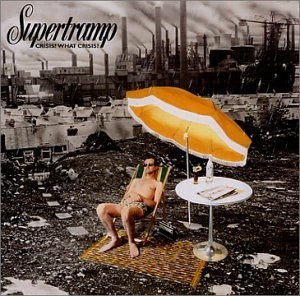
Crisis? What Crisis?
Douban
Supertramp
genre:
Pop
release date 2002-06-11
publisher:
A&M
Supertramp were an English rock band formed in London in 1970. Marked by the individual songwriting of founders Roger Hodgson and Rick Davies, they are distinguished for blending progressive rock and pop styles, and for a sound that relied heavily on Wurlitzer electric piano.

Crime Of The Century
Douban
Supertramp
genre:
Rock
release date 1990-10-25
publisher:
A&M
Supertramp were an English rock band formed in London in 1970. Marked by the individual songwriting of founders Roger Hodgson and Rick Davies, they are distinguished for blending progressive rock and pop styles, and for a sound that relied heavily on Wurlitzer electric piano.
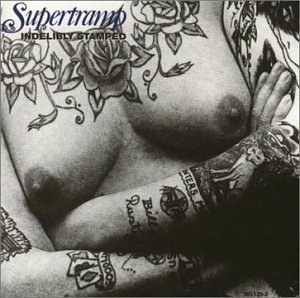
Indelibly Stamped
Douban
Supertramp
genre:
Rock
release date 1997-09-01
publisher:
A&M/Universal
Supertramp were an English rock band formed in London in 1970. Marked by the individual songwriting of founders Roger Hodgson and Rick Davies, they are distinguished for blending progressive rock and pop styles, and for a sound that relied heavily on Wurlitzer electric piano.
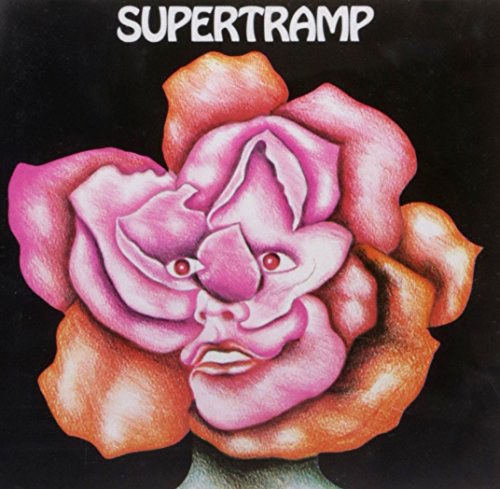
Supertramp
Douban
Supertramp
genre:
Rock
release date 1997-09-01
publisher:
A&M/Universal Int'l
Supertramp were an English rock band formed in London in 1970. Marked by the individual songwriting of founders Roger Hodgson and Rick Davies, they are distinguished for blending progressive rock and pop styles, and for a sound that relied heavily on Wurlitzer electric piano.