设计
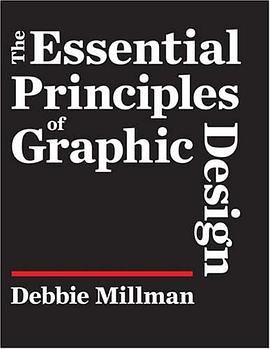
The Essential Principles Of Graphic Design
Douban
Debbie Millman publishing house: HOW Books 2008 - 7
This one-stop resource book for students of graphic design structured around five progressive sections--principles, elements, process, applications, and employment--is guaranteed to give creatives a thorough grounding in designing and producing their own work. From the basic principles of good design and the specific building blocks of graphic design to research methods and best practice in project management, readers will learn about the wide ranging areas of design, and find out about options for employment that are out there. The book includes chapters on illustrations and photographs, including advice about sourcing images and the vital issues of usage and copyright.
版面设计基础
Douban
[日] 视觉设计研究所 publishing house: 中国青年出版社 2004 - 1
本书由日本视觉设计研究所编著。全书分为选择版面样式和调整版面形态两大部分,分别向读者系统介绍了样式和造形的8个要素。 全书在内容安排上,首先向读者介绍了基础知识和基本概念,然后对比分析了正确和错误的版面设计案例,最后还以提问复习的形式巩固读者所学到的内容。通过本书,读者可以全面掌握版面设计的基础知识,还可以接触到杂志、报纸、名片、商品目录、商业广告、招聘广告等各行各业的大量版面设计实例,切身体会版面设计基本概念的灵活运用所能产生的绝妙效果。 本书还以“七日掌握”的这种独具匠心的编排方法,由浅入深地向读者讲解了视觉度、图版率、版面率等专业词汇的基本概念、使用方法及适用场合。通过七天的学习,使读者快速、系统地掌握版面设计的基础知识。
设计中的设计
DESIGNING DESIGN Douban Goodreads
★ 8.4 146 ratings
[日本] 原研哉 translator: 朱锷 publishing house: 山东人民出版社 2006 - 11
设计到底是什么?作为一名从业二十余年并且具有世界影响的设计师,原研哉对自己提出了这样一个问题。为了给出自己的答案,他走了那么长的路,做了那么多的探索。“RE-DESIGN——二十一世纪的日常用品再设计”展真是一个有趣的展览,但又不仅仅是有趣,它分明是为我们揭示了“日常生活”所具有的无限可能性。若我们能以满怀新鲜的眼神去观照日常,“设计”的意义定会超越技术的层面,为我们的生活观和人生观注入力量。
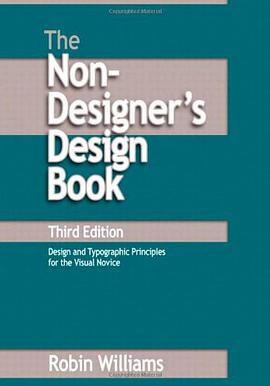
The Non-Designer's Design Book
Douban Goodreads Skybridge
[美] Robin Williams publishing house: Peachpit Press 2008 - 2
Robin Williams provides a practical introduction to the classical principles of design in this pamphlet-sized book. Her discussion of layout is organized around four basic design principles: Contrast, Repetition, Alignment and Proximity. Each is presented in its own chapter with plenty of you-can-do-it-at-home examples. The typography section explains the principles of Concord, Conflict and Contrast, based on Williams'classification of type faces by style (Oldstyle, Modern, Slab Serif, Sans Serif, Script and Decorative), weight (Light, Bold), Shape (Narrow, Wide), and spacing. A discussion of color is notably absent; the roots of this book in early grayscale Macintosh computing show through. Williams's book should hit the mark for amateurs creating one-page designs such as simple web sites, brochures or business cards. Set aside an hour or two to read it and do the exercises, and your designs should improve immensely. Mine have.
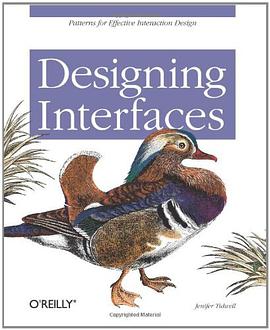
Designing Interfaces
Douban
Jenifer Tidwell publishing house: O'Reilly Media 2005 - 11
Designing a good interface isn't easy. Users demand software that is well-behaved, good-looking, and easy to use. Your clients or managers demand originality and a short time to market. Your UI technology -- Web applications, desktop software, even mobile devices - may give you the tools you need, but little guidance on how to use them well. UI designers over the years have refined the art of interface design, evolving many best practices and reusable ideas. If you learn these, and understand why the best user interfaces work so well, you too can design engaging and usable interfaces with less guesswork and more confidence. "Designing Interfaces" captures those best practices as design patterns - solutions to common design problems, tailored to the situation at hand. Each pattern contains practical advice that you can put to use immediately, plus a variety of examples illustrated in full color. You'll get recommendations, design alternatives, and warnings on when not to use them. Each chapter's introduction describes key design concepts that are often misunderstood, such as affordances, visual hierarchy, navigational distance, and the use of color. These give you a deeper understanding of why the patterns work, and how to apply them with more insight. A book can't design an interface for you - no foolproof design process is given here - but "Designing Interfaces" does give you concrete ideas that you can mix and recombine as you see fit. Experienced designers can use it as a sourcebook of ideas. Novice designers will find a roadmap to the world of interface and interaction design, with enough guidance to start using these patterns immediately.
写给大家看的设计书(第3版)
The Non-Designer's Design Book Douban Goodreads
★ 8.4 108 ratings
[美] Robin Williams translator: 苏金国 / 刘亮 publishing house: 人民邮电出版社 2009 - 1
这本书出自一位世界级设计师之手。复杂的设计原理在书中凝炼为亲密性、对齐、重复和对比4 个基本原则。作者以其简洁明快的风格,将优秀设计所必须遵循的这4 个基本原则及其背后的原理通俗易懂地展现在读者面前。本书包含大量的示例,让你了解怎样才能按照自己的方式设计出美观且内容丰富的产品。 此书适用于各行各业需要从事设计工作的读者,也适用于有经验的设计人员。