@Egypt

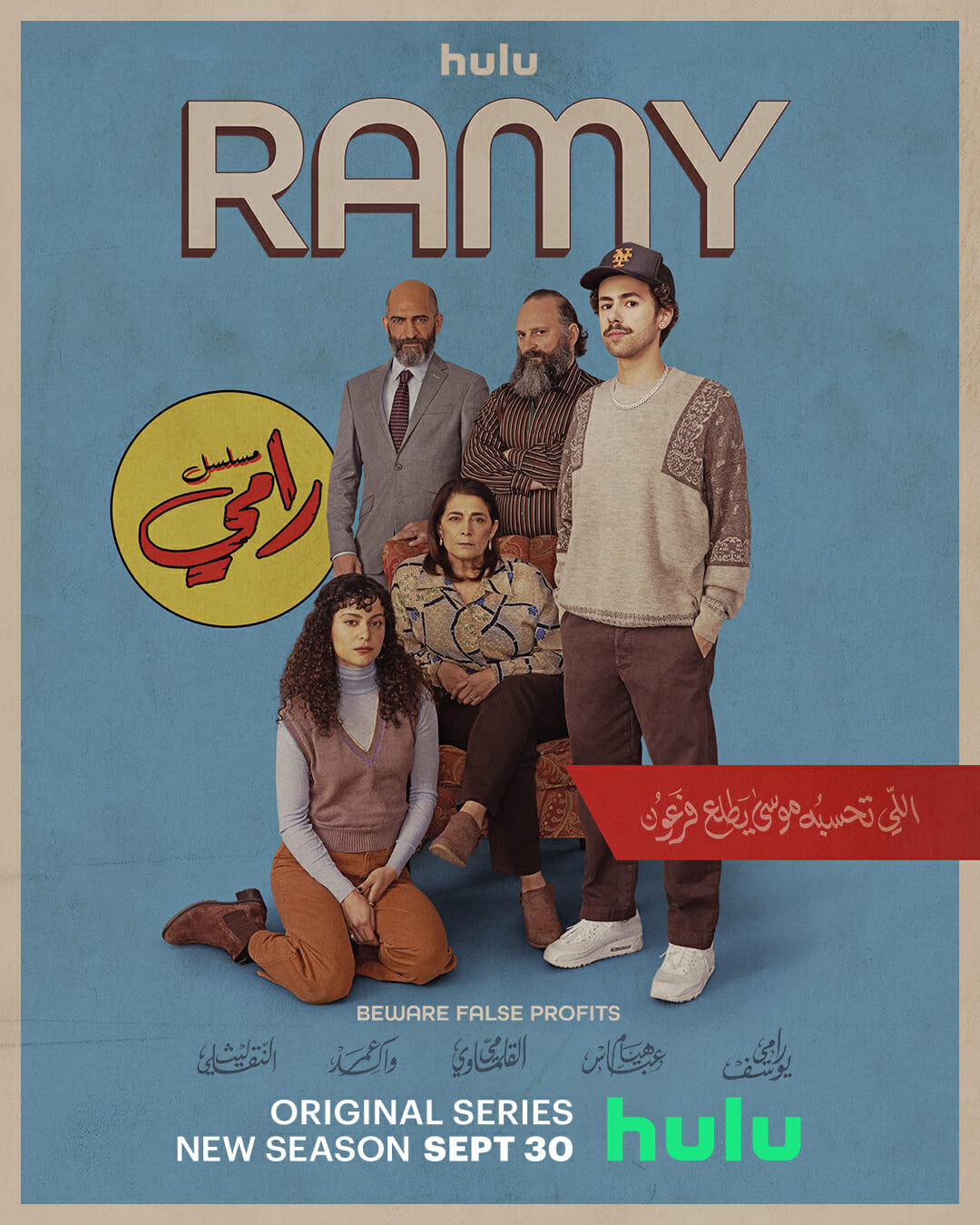
Ramy Season 2 (2020)
Ramy Season 2 part of TV Series: Ramy Douban
拉米·尤素夫
actor:
拉米·尤素夫
/
马赫沙拉·阿里
马赫沙拉·阿里将回归小荧幕,客串加盟拉米·尤素夫自编自导自演的Hulu剧集《拉米》第二季。本剧讲述一个名叫拉米的埃及裔美国千禧一代(尤素夫饰)的故事。据Hulu报道,阿里是这部剧的超级粉丝。第二季将于2020年首播。

Ramy Season 1 (2019)
Ramy Season 1 part of TV Series: Ramy Douban
雪梨·道比什
/
哈利·布拉德比尔
…
actor:
拉米·尤素夫
/
阿马尔·维克德
…
剧中第一代埃及裔美籍穆斯林Ramy(Ramy Youssef饰)在政治分歧的新泽西作灵性旅程。在这埃及社区中分别有认为生活是道德考验的一群人,以及认为生活没有后果的千禧一代。
Headscarves and Hymens
Douban Goodreads
Mona Eltahawy
publishing house:
Farrar, Straus and Giroux
2015
- 4
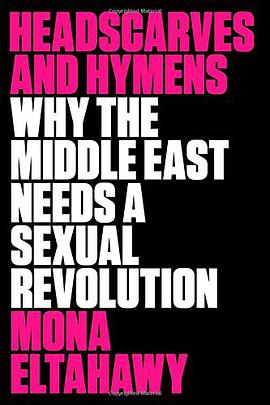
A passionate manifesto decrying misogyny in the Arab world, by an Egyptian American journalist and activist. When the Egyptian journalist Mona Eltahawy published an article in Foreign Policy magazine in 2012 titled Why Do They Hate Us it provoked a firestorm of controversy. The response it generated, with more than four thousand posts on the website, broke all records for the magazine, prompted dozens of follow-up interviews on radio and television, and made it clear that misogyny in the Arab world is an explosive issue, one that engages and often enrages the public.
In Headscarves and Hymens, Eltahawy takes her argument further. Drawing on her years as a campaigner and commentator on women's issues in the Middle East, she explains that since the Arab Spring began, women in the Arab world have had two revolutions to undertake one fought with men against oppressive regimes, and another fought against an entire political and economic system that treats women in countries from Yemen and Saudi Arabia to Egypt, Tunisia, and Libya as second-class citizens. Eltahawy has traveled across the Middle East and North Africa, meeting with women and listening to their stories.
Her book is a plea for outrage and action on their behalf, confronting the toxic mix of culture and religion that few seem willing or able to disentangle lest they blaspheme or offend. A manifesto motivated by hope and fury in equal measure, Headscarves and Hymens is as illuminating as it is incendiary.