Kinema Junpo

219 movies  

Not included: Nichirin: Kohen (1926), Soshi gekijo (1947), Itsunohika Hanasaki kan (1947), Midori no Kobako (1947), Surônin Makaritari (1947), Shimikin no Asakusa no botchan (1947), Odoriko monogatari (1947), Jôen (1947), Waga ai ha yama no Kanata ni (1948), Tanuki shinshi tōjō (1948), Asu wa nihonbare.(1948), Koshoku Gonin Onna (1948), Midori nakî shima Yukyo no murê (1948), Busoukeikantai (1948), Yoninme no shukujo (1948), Shiawase (1948), Mahiru no embukyoku (1949), Kaze no ko (1949), Watashi no na wa jofu (1949), Onna no kao, Shitto (1949) Top ten cancelled due to war from 1943-1945

Movie

Useless Button (1926) IMDb TMDB
カラボタン
other title: カラボタン
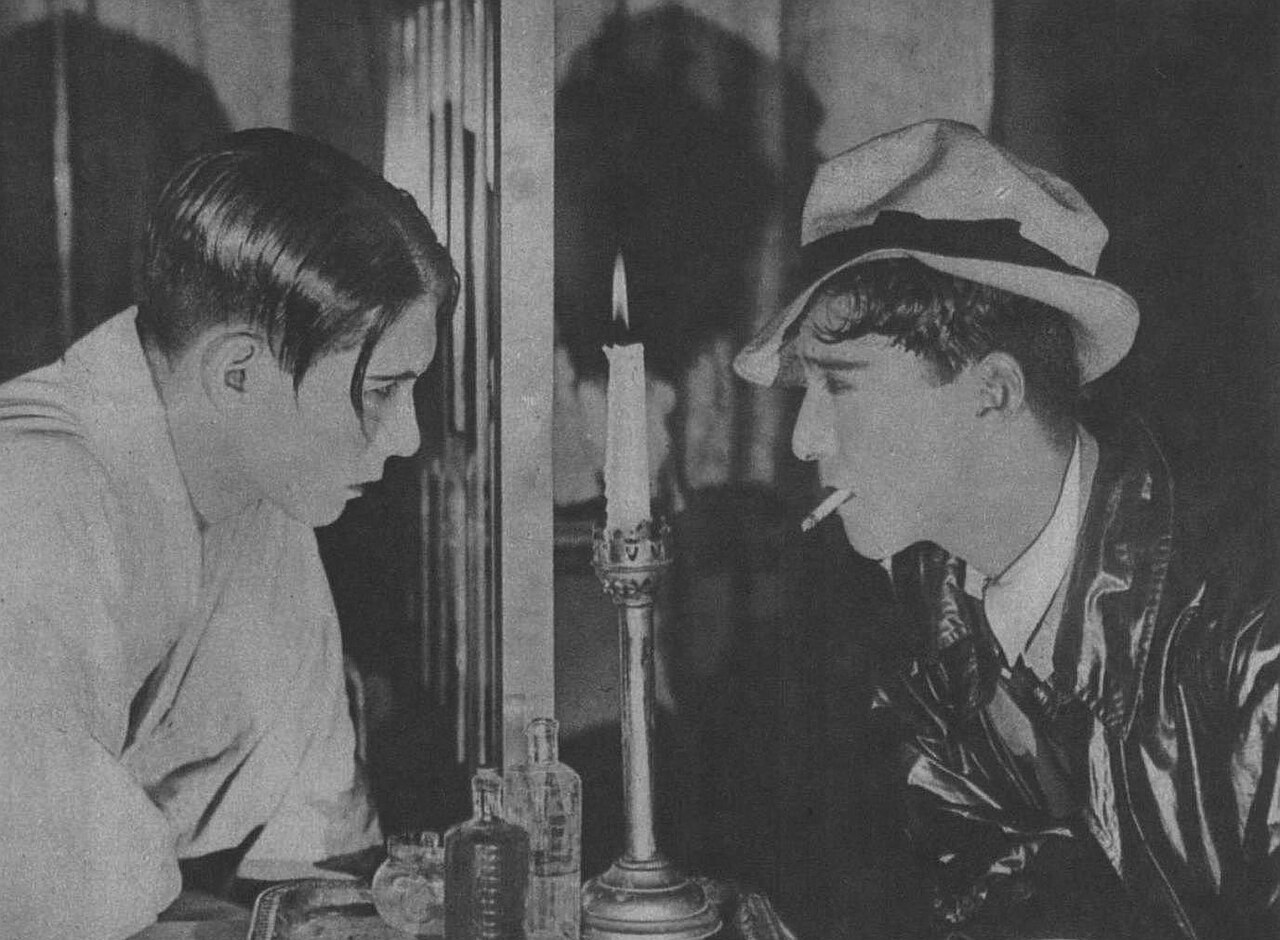
A hard-working new employee at a trading company is promoted through the company president's business. However, he quarrels with his wife over something trivial, and her wife runs away from home, causing a fuss, but she returns to normal. Selected by Kinema Junpo as the 5th-best Japanese movie of 1926.

Movie

A Paper Doll's Whisper of Spring (1926) WikiData IMDb TMDB
紙人形春の囁き
other title: 紙人形春の囁き / Les Murmures d'une poupée en papier Haru …
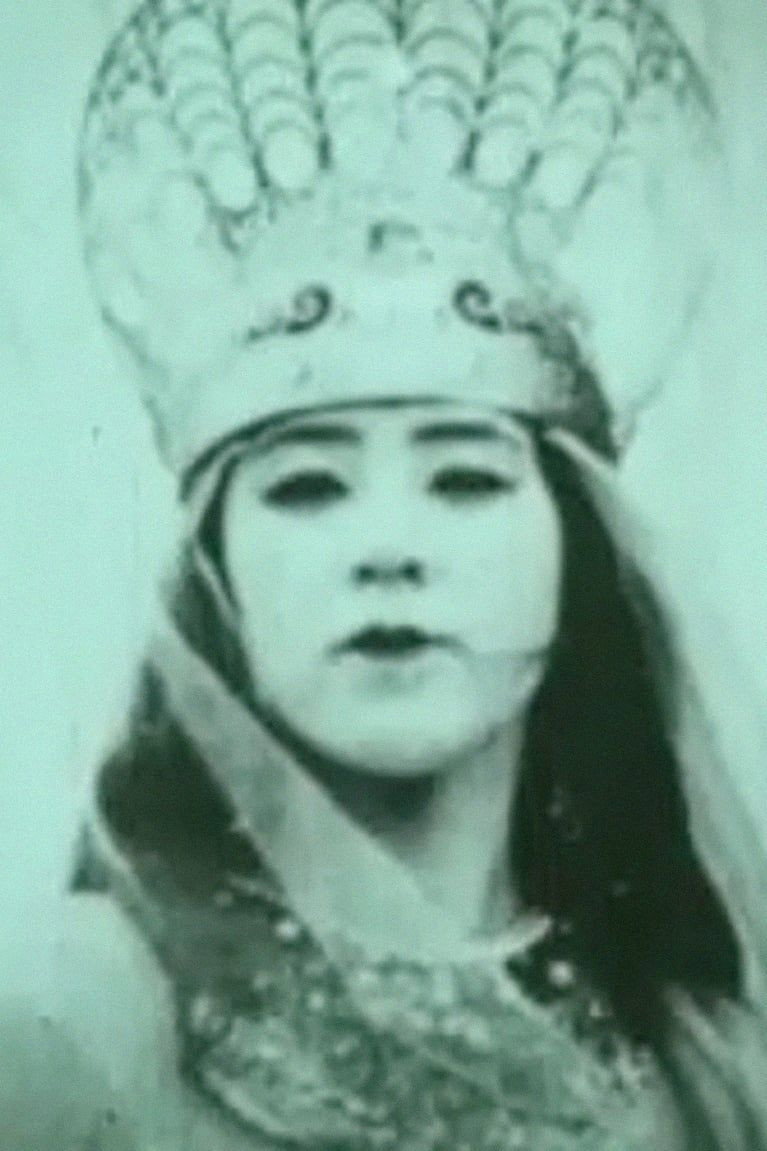
Otane, the daughter of a thread shop owner in Ryogoku, is in love with Sumio, the son of an ivory craftsman who lives nearby. The two are united in a tatami room on the second floor of a soba restaurant. Soon Sumio goes to study in Paris, but during that time Otane realizes that she is pregnant with Sumio's child. Considered a lost film.

Movie

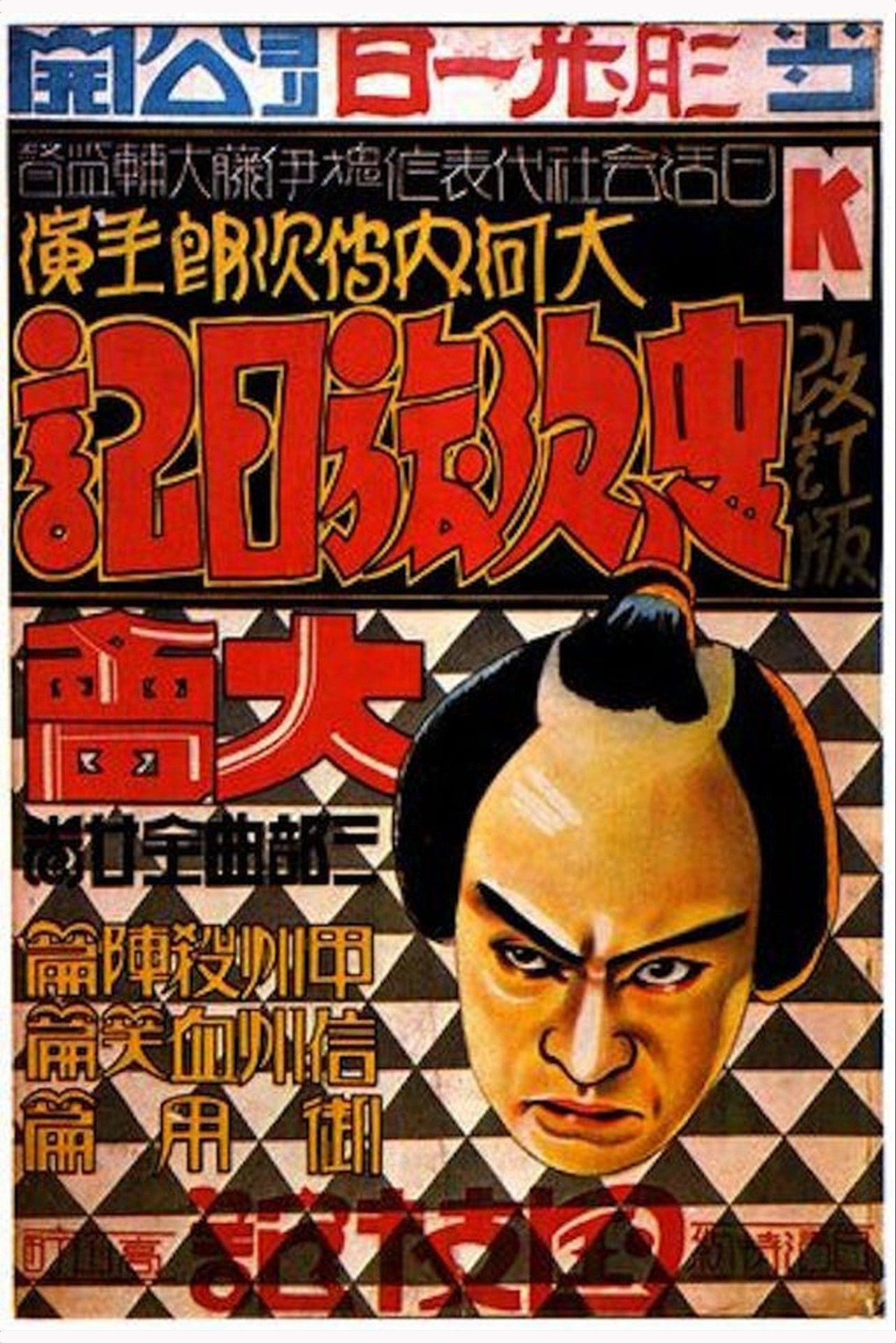
Chuji's Travel Diary: Story of Bloody Shinshu (1927) WikiData IMDb TMDB
忠次旅日記 信州血笑篇
other title: 忠次旅日記 信州血笑篇 / Chuji’s Travel Diary II: Story of Bloody Shinshu
A Diary of Chuji's Travels is a silent Japanese jidaigeki made in 1927 starring Denjirō Ōkōchi and directed by Daisuke Itō. It was originally released in three parts, all of which were long thought to be lost until portions of the second part and much of the third part were discovered and restored in 1991. Since the film had once been voted in a 1959 Kinema Junpō poll as the best Japanese film of all time, its discovery was significant. At the time of its release, Itō was the leader of a new style of samurai films that featured outlaw heroes and fast-cut sword fighting scenes.

Movie

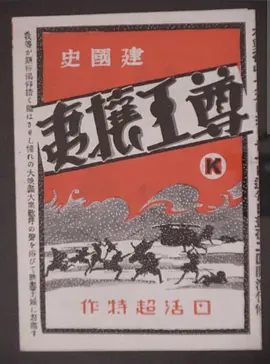
Sonno Joi (1927) WikiData IMDb TMDB
建国史 尊王攘夷
other title: 建国史 尊王攘夷 / 建國史 尊王攘夷
For nearly 300 years, Japan had been hermetically sealed to the outside world. When, in that pivotal year of 1854, the American Admiral Perry took the direct approach that the Dutch had been unwilling to take, the ruling Shogun knew that the dynasty was over. As the shogun began to open up to the outside world, the Sonno Joi movement called for this to be reversed...

Movie

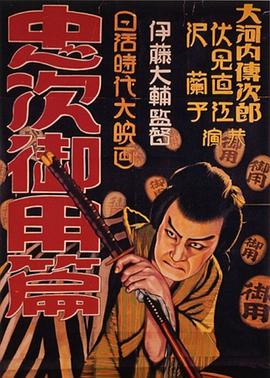
Chuji's Travel Diary: The Chuji Patrol Episode (1927) WikiData IMDb TMDB Douban
忠次旅日記 第3部「御用篇」
director: Daisuke Itō actor: 大河内伝次郎
other title: 忠次旅日记 / 忠次旅日記 第3部「御用篇」 …
The Japanese equivalent of penny dreadfuls glorifying Jesse James, A Diary of Chuji’s Travels gives a unique gloss to the tale of Chuji Kunisada, the legendary bakuto (or gambler, the precursors to modern-day yakuza). One of the two remaining segments of Ito’s original four-hour trilogy, it depicts Chuji’s attempt to save the geisha Oshina, a rebellion against the rigid social structure of Edo Japan. With socialist overtones, it’s a passionate artifact of early Japanese film.
Reply Quote Sept. 25, 2026