
finished reading My Year in Paris with Gertrude Stein 🌕🌕🌕🌕🌑
不错。设计很巧妙,女主的朋友Eva的猫丢了,全书贯穿的一个主线是寻找猫,猫的名字叫it. We lost it. We want to find it. But what is it? 所以全书最大的一个主题就是在追问,what have we been lost since... since modern time? We've been searching for it: Love? freedom? civil? modernism? art? life? identity? home? country? belonging? ourselves? 无论这个it是什么, it is the way to put ourselves together. 当然文学是不会给出答案的,但一定要说的话,我认为是ambiguity and uncertainty,我们失去的是暧昧性。书中有句话说的好,One doesn’t ever own a cat. A cat arrives out of the blue and decides to stay. 人也不拥有别人,甚至不拥有自己,人和人之间的亲密性,人和自己的亲密性就来自于这种暧昧。'And identity is funny being yourself is funny as you are never yourself to yourself except as you remember yourself and then of course you do not believe yourself.' 另外我还挺喜欢书中三个女性朋友之间的友谊的描写,轻盈随性并不是什么深厚的链接,或者分享创伤和苦难,就是很自由随意右自然,但是又情感很深的友谊,很喜欢。
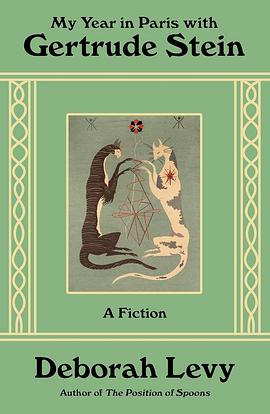
Book
My Year in Paris with Gertrude Stein
Douban
Deborah Levy
publishing house:
Farrar, Straus and Giroux
在当代巴黎,一位叙述者与两位同伴探索格特鲁德·斯泰因的人生与作品:这是一场对真正具有颠覆性的女性艺术家的颠覆性想象。
我们的叙述者正面临诸多烦扰。朋友伊娃的猫失踪了——她还纳闷,伊娃的丈夫又去了哪里?另一位朋友范妮几乎不见踪影,并非因她在金融业的繁忙工作,而是她同时周旋于至少三位情人之间。而格特鲁德·斯泰因,正逐渐搅乱叙述者的生活。
她试图撰写一篇关于斯泰因的文章,却似乎难如登天。对于这位二十世纪初的前卫思想领袖,她既知之甚多,又一无所知。事实确凿:格特鲁德·斯泰因曾在哈佛大学研习心理学,又在约翰斯·霍普金斯大学攻读医学,最终却选择放弃;她在租来的公寓中策划了震动世界的现代艺术展览;她创作的小说、戏剧、诗歌与歌剧剧本既晦涩难解又光芒四射;她对胆识过人的妻子一见钟情,后者正是《艾丽斯自传》的主角。
然而,仍有太多东西无法触及。我们如何拼凑起完整的自我?为了成为现代人,我们失去了什么?在语言的边界之外,我们又能寻得什么?唯有这样一本书,唯有德博拉·利维这样“一位令人难忘的作家,一位精于省略的天才”(德怀特·加纳,《纽约时报书评》),才敢于尝试如此探索。它冲破体裁的藩篱,创造出一种独特而全新的表达:既富想象力与趣味性,又兼具学术深度,恰如其分地呼应了书中核心人物的天才气质。这便是《我与格特鲁德·斯泰因在巴黎的一年》。
---------------------------
In contemporary Paris, a narrator and two companions explore the life and work of Gertrude Stein: a subversive imagining of a truly subversive female artist.
Our narrator has a lot going on. Her friend Eva’s cat is missing―also, she wonders, where is Eva’s husband. Their other friend Fanny is barely around, and not because of her job in finance; she is tangled up with no less than three lovers. And Gertrude Stein is ruining the narrator’s life.
She is trying to write an essay about Stein but it seems impossible. She knows too much and nothing at all about the leading avant-garde thinker of the early twentieth century. There are the facts: Gertrude Stein studied psychology at Harvard and medicine at Johns Hopkins, then quit; curated modern art in her rented apartment that would shake the world; wrote novels, plays, poetry, and libretti that are incoherent and brilliant; felt love at first sight for her daring wife, the subject of The Autobiography of Alice B. Toklas.
But so much is out of reach. How do we put ourselves together? What do we lose to become modern? What do we find beyond the limits of language? Only a book like this, only a book by Deborah Levy, “an indelible writer [and] elliptical genius” (Dwight Garner, The New York Times Book Review), could attempt such an investigation. It crashes through genre to form something distinctively, utterly new―an imaginative, entertaining, and scholarly manifestation befitting the genius at its center. This is My Year in Paris with Gertrude Stein.