
读过《China Marches West》 🌕🌕🌕🌕🌕
滿清利用蒙古“致命的個人主義”對各部進行一一征服和拉攏,通過《尼布楚條約》和《恰克圖條約》,用貿易讓利將俄羅斯引入對中央歐亞最後一個草原帝國——準噶爾汗國的圍堵與壓製,共同合作剝奪其創立永久國家所需的關鍵資源。邊疆的擴張對滿清的興衰發揮著異乎尋常的作用,正是與準噶爾的競爭性的國家創建過程中,滿清的官僚體製才會呈現前所未有的活力與效率,擁有處理腐敗的決定意誌力,甚至濮德培還給到了如果準噶爾汗國或其他蒙古政權能挺過18世紀,是否在面對邊疆的挑戰時,如17世紀與耶穌會士合作一般,中國會有機會與英國在諸如武器等方面的合作,屆時,中英之間的貿易逆差將不會通過未來的鴉片而是武器或其他技術獲得平衡。
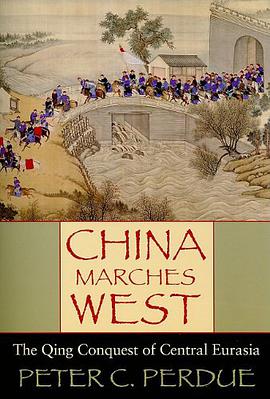
Book
China Marches West
Douban
Peter C. Perdue
publishing house:
Belknap Press
2010
- 9
From about 1600 to 1800, the Qing empire of China expanded to unprecedented size. Through astute diplomacy, economic investment, and a series of ambitious military campaigns into the heart of Central Eurasia, the Manchu rulers defeated the Zunghar Mongols, and brought all of modern Xinjiang and Mongolia under their control, while gaining dominant influence in Tibet. The China we know is a product of these vast conquests.
Peter C. Perdue chronicles this little-known story of China's expansion into the northwestern frontier. Unlike previous Chinese dynasties, the Qing achieved lasting domination over the eastern half of the Eurasian continent. Rulers used forcible repression when faced with resistance, but also aimed to win over subject peoples by peaceful means. They invested heavily in the economic and administrative development of the frontier, promoted trade networks, and adapted ceremonies to the distinct regional cultures.
Perdue thus illuminates how China came to rule Central Eurasia and how it justifies that control, what holds the Chinese nation together, and how its relations with the Islamic world and Mongolia developed. He offers valuable comparisons to other colonial empires and discusses the legacy left by China's frontier expansion. The Beijing government today faces unrest on its frontiers from peoples who reject its autocratic rule. At the same time, China has launched an ambitious development program in its interior that in many ways echoes the old Qing policies.
China Marches West is a tour de force that will fundamentally alter the way we understand Central Eurasia.