在读《The Moon and Sixpence (Penguin Twentieth-Century Classics)》 🌕🌕🌕🌕🌕
I have a recollection of large, unbending women with great noses and rapacious eyes, who wore their clothes as though they were armour; and of little, mouse-like spinsters, with soft voices and a shrewd glance.
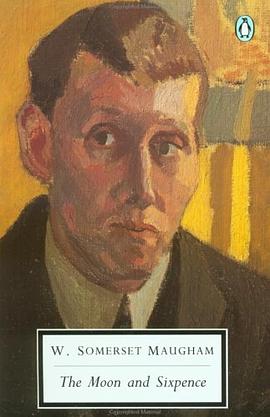
The Moon and Sixpence (Penguin Twentieth-Century Classics) [Book] Douban
The Moon and Sixpence<.I>, published in 1919, was one of the novels that galvanized W. Somerset Maugham's reputation as a literary master. It follows the life of one Charles Strickland, a bourgeois city gent whose dull exterior conceals the soul of a genius. Compulsive and impassioned, he abandons his home, wife, and children to devote himself slavishly to painting. In a tiny studio in Paris, he fills canvas after canvas, refusing to sell or even exhibit his work. Beset by poverty, sickness, and his own intransigent, unscrupulous nature, he drifts to Tahiti, where, even after being blinded by leprosy, he produces some of his most extraordinary works of art. Inspired by the life of Paul Gauguin, The Moon and Sixpence is an unforgettable study of a man possessed by the need to create—regardless of the cost to himself and to others.