26fall - Historical Approach of Social Science

5 books  

Book

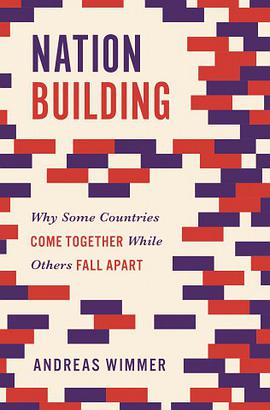
Nation Building
Douban
Andreas Wimmer publishing house: Princeton University Press 2018 - 3
A new and comprehensive look at the reasons behind successful or failed nation building Nation Building presents bold new answers to an age-old question. Why is national integration achieved in some diverse countries, while others are destabilized by political inequality between ethnic groups, contentious politics, or even separatism and ethnic war? Traversing centuries and continents from early nineteenth-century Europe and Asia to Africa from the turn of the twenty-first century to today, Andreas Wimmer delves into the slow-moving forces that encourage political alliances to stretch across ethnic divides and build national unity. Using datasets that cover the entire world and three pairs of case studies, Wimmer’s theory of nation building focuses on slow-moving, generational processes: the spread of civil society organizations, linguistic assimilation, and the states’ capacity to provide public goods. Wimmer contrasts Switzerland and Belgium to demonstrate how the early development of voluntary organizations enhanced nation building; he examines Botswana and Somalia to illustrate how providing public goods can bring diverse political constituencies together; and he shows that the differences between China and Russia indicate how a shared linguistic space may help build political alliances across ethnic boundaries. Wimmer then reveals, based on the statistical analysis of large-scale datasets, that these mechanisms are at work around the world and explain nation building better than competing arguments such as democratic governance or colonial legacies. He also shows that when political alliances crosscut ethnic divides and when most ethnic communities are represented at the highest levels of government, the general populace will identify with the nation and its symbols, further deepening national political integration. Offering a long-term historical perspective and global outlook, Nation Building sheds important new light on the challenges of political integration in diverse countries.


Book

国家与社会革命
States and Social Revolutions Douban
★ 8.7 15 ratings
[美国] 西达·斯考切波 translator: 何俊志 / 王学东 publishing house: 上海人民出版社 2007 - 3
在本书中,斯考切波要揭示的是,国家结构、国际力量和阶级关系这三种要素是如何结合在一起,共同导致了社会革命转型的起源与成就。从18世纪90年代的法国到20世纪70年代的越南,社会革命虽然很少发生,但却在现代世界历史上具有无可否认的重要性。《国家与社会革命》提供了一种新的参照框架,以分析这种革命的原因、冲突和后果。而且、该书对三个主要的案例进行了深入而严肃的比较历史分析,这三个案例是:从1787年到19世纪初期的法国革命、从1917年到20世纪30年代的俄国革命和从1911年到20世纪60年代的中国革命。    作者认为,现有的革命理论,不适合用来解释革命的实际历史模式。因此,作者力促我们采用一种新的分析视角。她主张进行结构性论而非意志论的分析,强调跨国性世界-历史背景对国内政治冲突的重要作用。首先,她坚持认为,国家应该被看成是一套行政和强制组织、在阶级控制和阶级利益面前具有潜在的自主性,因此,在解释社会革命时,必须把国家置于核心地位。    为了解释法国、俄国、和中国旧制度的导向革命性政治危机的内在矛盾,斯考切波主要集中考察了国家在两个方面的基本关系:一方面是国家的统治者及其官员与国际竞争者之间的关系;另一方面是国家的统治者及其官员与支配阶级之间的关系。在解释革命的后果时,她着重关注的是,在阶级冲突和反革命军事威胁的背景下,革命领导集团建立新国家组织的方式。在革命政权得以巩固之后,她强调的是国家权力被用来改造社会的方式。在社会革命转型的模式方面,法国、俄国和中国被当成是基本类似的案例。对那些把法国革命当成是典型的资产阶级革命、或者是把俄国革命基本上看成是无产阶级的社会主义革命的理论家而言,作者的这种观点必然会引出激烈的争论。

Book

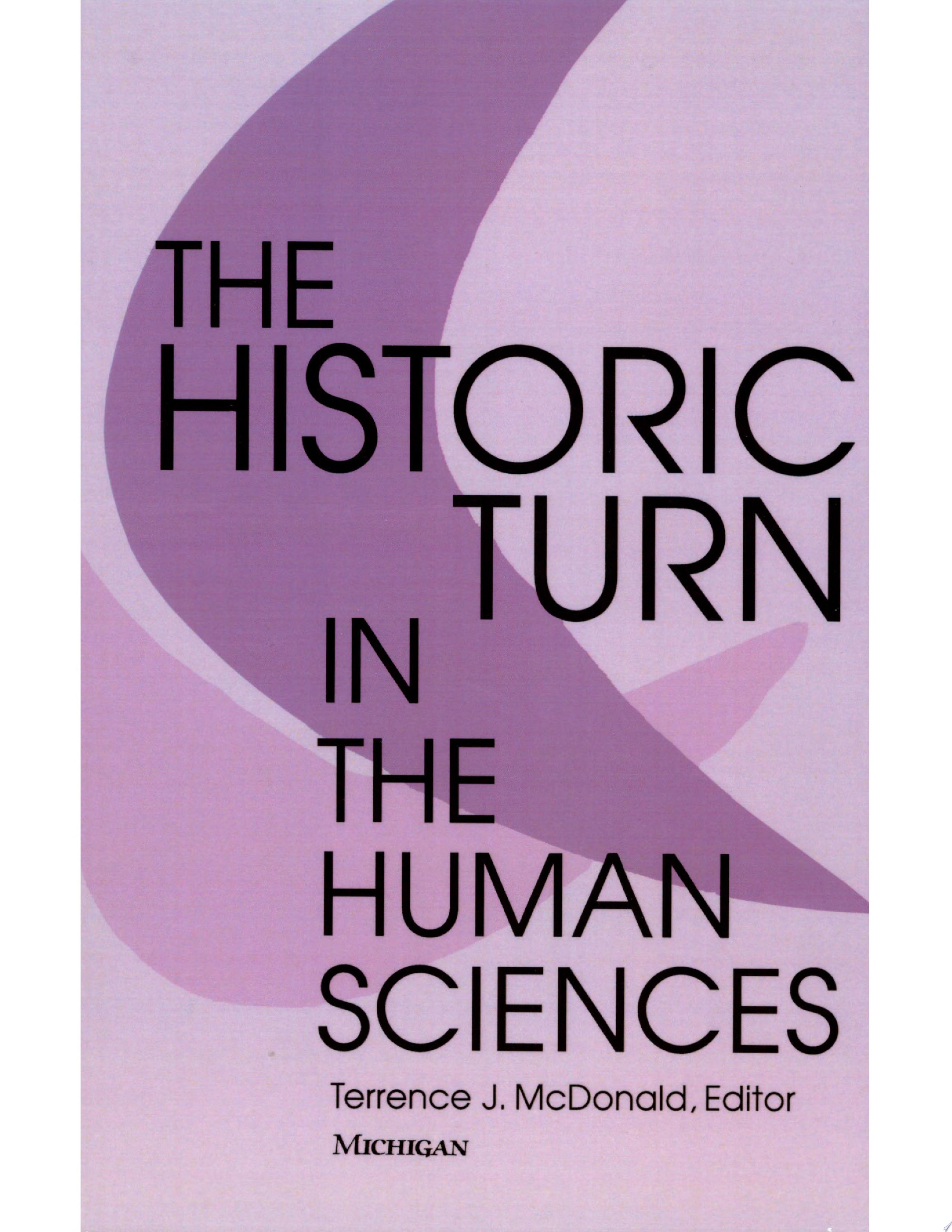
The Historic Turn in the Human Sciences
Google Books
Terrence McDonald publishing house: University of Michigan Press 2026 - 02
In The Historic Turn in the Human Sciences eleven scholars widely known for their interdisciplinary work investigate one of the most striking developments in the intellectual world today: the return to history by a wide range of academic disciplines. From "new historicism" in literary theory, to "ethnohistory," to "historical sociology," these new approaches have resulted both in more works of historical analysis and in a more self-conscious attempt to locate the human sciences in their own histories. The essays in The Historic Turn in the Human Sciences -- eight of them published here for the first time -- take stock of these changes from the perspectives of some of the disciplines most deeply involved: anthropology, sociology, political science, law, literary studies, and history itself. Many of the authors have played a crucial role in producing the historic turn in their own disciplines. The volume as a whole, therefore, goes significantly beyond a mere inventory of these changes to ask how and how much history can make a difference; how the practice of history is affected by post-structural and other theories; and what is left of both unproblematized history and social science after the historic turn. Taken together the essays give a sense both of what these various turns to history have in common and what sets them apart. This comparative dimension distinguishes the volume from those that have analyzed the impact of history on a single field or have assayed its effects without including historians themselves. In the wake of the historic turn neither the historical actor nor the historical analyst will ever again be seen as a colossus striding over the pages of history. This volume explains in an extraordinary thought-provoking and challenging way why this must be so.
Reply Quote Aug. 2, 2026