
读过《A Farewell to Arms》 🌕🌕🌕🌕🌑
我喜欢海明威对环境的描写。他败退时逃到米兰那段写得最好,军队撤退时个人无法确认具体的情况,一无所知所以担惊受怕。篇章的安排和季节轮转相联系,恋爱在夏天,逃跑在秋天,第一部和最后一部在冬天和春天间交替。然而看不懂里面的大部分对话。亨利似乎用一种和环境抽离的态度在和他人交往,总是凯瑟琳说一大段,他才回几个单词,他的话语在说出口之前已经过滤了大半。
Book
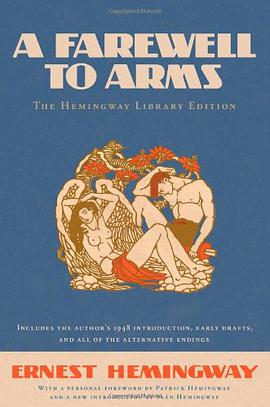
A Farewell to Arms
DoubanWritten when Ernest Hemingway was thirty years old and lauded as the best American novel to emerge from World War I, A Farewell to Arms is the unforgettable story of an American ambulance driver on the Italian front and his passion for a beautiful English nurse. Set against the looming horrors of the battlefield—weary, demoralized men marching in the rain during the German attack on Caporetto; the profound struggle between loyalty and desertion—this gripping, semiautobiographical work captures the harsh realities of war and the pain of lovers caught in its inexorable sweep.
Ernest Hemingway famously said that he rewrote the ending to A Farewell to Arms thirty-nine times to get the words right. This edition collects all of the alternative endings together for the first time, along with early drafts of other essential passages, offering new insight into Hemingway’s craft and creative process and the evolution of one of the greatest novels of the twentieth century. Featuring Hemingway’s own 1948 introduction to an illustrated reissue of the novel, a personal foreword by the author’s son Patrick Hemingway, and a new introduction by the author’s grandson Seán Hemingway, this edition of A Farewell to Arms is truly a celebration.