
读过 The Culture of New Capitalism
书是06年出版的,作者思考成形的时间大概是1990-2000年代。那个时候,对新自由主义的意识形态反弹还未成气候。桑内特敏锐地察觉了新自由主义和他所属的60年代新左派的传承关系,也预测了一个到今天已经格外明显的悖论:以科技公司为代表的New Institution中扁平的层级结构,反而造成权力集中于个人,而这又与“新资本主义的文化”对“天赋”的格外痴迷相辅相成。目睹冷战福利国家“铁笼”的解体,桑内特显然心情复杂,本书中提出的方案也都不给人太多希望。
Book
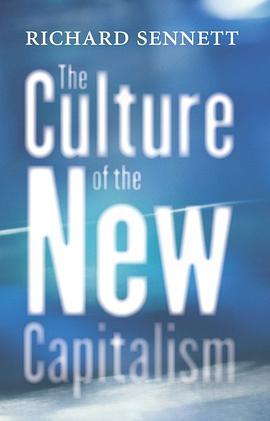
The Culture of New Capitalism
Douban
Richard Sennett
publishing house:
Yale University Press
2006
- 1
The distinguished sociologist Richard Sennett surveys major differences between earlier forms of industrial capitalism and the more global, more febrile, ever more mutable version of capitalism that is taking its place. He shows how these changes affect everyday life—how the work ethic is changing; how new beliefs about merit and talent displace old values of craftsmanship and achievement; how what Sennett calls “the specter of uselessness” haunts professionals as well as manual workers; how the boundary between consumption and politics is dissolving.
In recent years, reformers of both private and public institutions have preached that flexible, global corporations provide a model of freedom for individuals, unlike the experience of fixed and static bureaucracies Max Weber once called an “iron cage.” Sennett argues that, in banishing old ills, the new-economy model has created new social and emotional traumas. Only a certain kind of human being can prosper in unstable, fragmentary institutions: the culture of the new capitalism demands an ideal self oriented to the short term, focused on potential ability rather than accomplishment, willing to discount or abandon past experience. In a concluding section, Sennett examines a more durable form of self hood, and what practical initiatives could counter the pernicious effects of “reform.”