读过《Dispatches from Dystopia》 🌕🌕🌕🌕🌑
在有点沉闷的晚餐后翻开这本书,一扫之前的昏昏欲睡。既是历史也是民族志,是关于被遗忘城市、人民和生活的共性:I am interested in how spatial practices work to snare people into silence, invisibility, and diagnoses of menance and madness. ...I also want to know, by means of spatial arrangements, humans assemble knowledge and possibility, credibility, visibility, and sanity p.17. 简单的比喻:纽约客非虚构的学术化版本。文字技巧高超。
Book
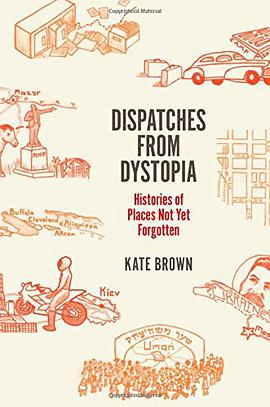
Dispatches from Dystopia
Douban“Why are Kazakhstan and Montana the same place?” asks one chapter of Kate Brown’s surprising and unusual journey into the histories of places on the margins, overlooked or erased. It turns out that a ruined mining town in Kazakhstan and Butte, Montana—America’s largest environmental Superfund site—have much more in common than one would think thanks to similarities in climate, hucksterism, and the perseverance of their few hardy inhabitants. Taking readers to these and other unlikely locales, Dispatches from Dystopia delves into the very human and sometimes very fraught ways we come to understand a particular place, its people, and its history.
In Dispatches from Dystopia, Brown wanders the Chernobyl Zone of Alienation, first on the Internet and then in person, to figure out which version—the real or the virtual—is the actual forgery. She also takes us to the basement of a hotel in Seattle to examine the personal possessions left in storage by Japanese-Americans on their way to internment camps in 1942. In Uman, Ukraine, we hide with Brown in a tree in order to witness the annual male-only Rosh Hashanah celebration of Hasidic Jews. In the Russian southern Urals, she speaks with the citizens of the small city of Kyshtym, where invisible radioactive pollutants have mysteriously blighted lives. Finally, Brown returns home to Elgin, Illinois, in the midwestern industrial rust belt to investigate the rise of “rustalgia” and the ways her formative experiences have inspired her obsession with modernist wastelands.
Dispatches from Dystopia powerfully and movingly narrates the histories of locales that have been silenced, broken, or contaminated. In telling these previously unknown stories, Brown examines the making and unmaking of place, and the lives of the people who remain in the fragile landscapes that are left behind.