读过《Changing Works》 🌕🌕🌕🌑🌑
很难定义门类的作品,更像是30年代自然史的当代转生——加入了大量的摄影元素。这本仍然是Douglas的乡村社会学的延续,调查了48家农户。有小农户也有大农场主。追溯了农业从十九世纪末期到两千年来一百年的变迁。小农户的逐渐衰亡以及大工厂式农业的兴起,伴随着移民、技术进步、化学革命等等。结尾他自问自带,农业应该是什么样的?"From time immemorial there has been really one answer. Farmers should farm so that they can farm again."
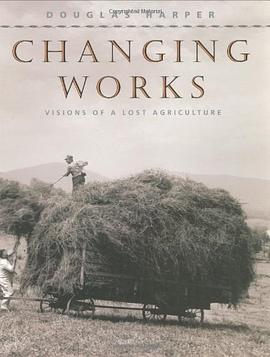
Book
Changing Works
Douban
Harper, Douglas
publishing house:
Univ of Chicago Pr
2001
- 10
The work of Douglas Harper has for two decades documented worlds in eclipse. A glimpse into the life of dairy farmers in upstate New York on the cusp of technological change, "Changing Works" is no exception. With photographs and interviews with farmers, Harper brings into view a social world attended by machines and stuns us with gorgeous visions of rural times past. As a member of this community, Harper relates compelling stories about families and their dairies that reveal how the advent of industrialized labour changed the way farmers structure their work and organize their lives. His new book charts the transformation of American farming from small dairies based on animal power and cooperative work to industrialized agriculture. "Changing Works" combines Harper's pictures with classic images by photographers such as Gordon Parks, Sol Libsohn and Charlotte Brooks - men and women whose work during the 1940s documented the mechanization and automation of agricultural practices. Part social history and part analysis of the drive to mass production, "Changing Works" examines how we farmed a half century ago versus how we do today through pictures new and old and through discussions with elderly farmers who witnessed the makeover. Ultimately, Harper challenges timely ecological and social questions about contemporary agriculture. He shows us how the dissolution of cooperative dairy farming has diminished the safety of the practice, degraded the way we relate to our natural environment, and splintered the once tight-knit communities of rural farmers. Mindful of the advantages of preindustrial agriculture, and heeding the warning of the alarming spread of mad cow and foot-and-mouth disease, "Changing Works" harks back to the benefits of an older system.