
读过《The Discovery of the Asylum》 🌕🌕🌕🌕🌑
一本历史社会学的佳作,讲述了疯人院(asylum)在十九世纪美国形成的过程。作为训诫、纠正社会底层的过失人士(delinquent,穷人疯子小偷小摸等等)的社会制度,如何在社会剧烈变动的背景下创造出了一种对身体、精神、行为的改造(correction)。即作为传统制(家庭、监狱)度反面,也是补充。尤其是秩序、纪律与服从。
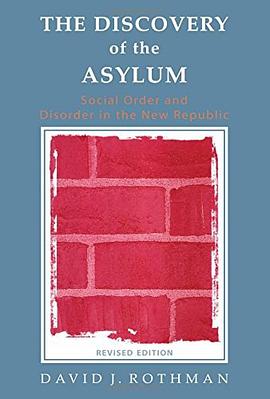
Book
The Discovery of the Asylum
Douban
Rothman, David J.
publishing house:
Routledge
2002
- 11
This is a masterful effort to recognize and place the prison and asylums in their social contexts. Rothman shows that the complexity of their history can be unraveled and usefully interpreted. By identifying the salient influences that converged in the tumultuous 1820s and 1830s that led to a particular ideology in the development of prisons and asylums, Rothman provides a compelling argument that is historically informed and socially instructive. He weaves a comprehensive story that sets forth and portrays a series of interrelated events, influences, and circumstances that are shown to be connected to the development of prisons and asylums. Rothman demonstrates that meaningful historical interpretation must be based upon not one but a series of historical events and circumstances, their connections and ultimate consequences. Thus, the history of prisons and asylums in the youthful United States is revealed to be complex but not so complex that it cannot be disentangled, described, understood, and applied. This reissue of a classic study addresses a core concern of social historians and criminal justice professionals: Why in the early nineteenth century did a single generation of Americans resort for the first time to institutional care for its convicts, mentally ill, juvenile delinquents, orphans, and adult poor? Rothman's compelling analysis links this phenomenon to a desperate effort by democratic society to instill a new social order as it perceived the loosening of family, church, and community bonds. As debate persists on the wisdom and effectiveness of these inherited solutions. "The Discovery of the Asylum offers a fascinating reflection on our past as well as a source ofinspiration for a new century of students and professionals in criminal justice, corrections, social history, and law enforcement.