
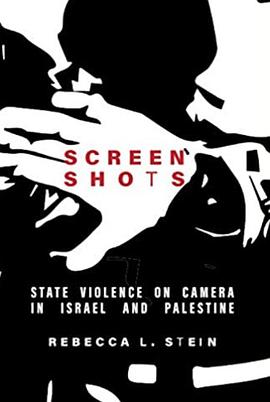
Book
Screen Shots
Douban
Rebecca L. Stein
publishing house:
Stanford University Press
2021
- 6
在过去的二十年里,随着智能手机在全球范围内的普及,国家对平民的杀戮越来越多地被旁观者和警察的相机所捕捉。《屏幕快照》一书以以色列对巴勒斯坦的占领为背景来研究这一现象。丽贝卡·斯坦恩(Rebecca Stein)发现:相机——作为政治工具,在包括巴勒斯坦活动家、以色列士兵、犹太定居者和人权工作者在内的广泛的行动者和机构之中激增。所有人都将镜头对准了以色列的国家暴力,并被一个共同的梦想所驱动:以更近、更快、更清晰为特征的数码摄影将推动他们各自的政治议程。但是,丽贝卡认为大多数人会感到失望。根据民族志调查,她记录了寻求正义的巴勒斯坦视频活动家(video-activists)、努力完善军队形象的以色列士兵,以及指责巴勒斯坦人“装死”的犹太复国主义阴谋论者。斯坦恩在书中反驳了技术乐观主义,通过揭示相机梦想和幻灭,她呈现了以色列和巴勒斯坦的殖民现状,以及智能手机时代权力和斗争条件的变化。——结绳志
In the last two decades, amid the global spread of smartphones, state killings of civilians have increasingly been captured on the cameras of both bystanders and police. Screen Shots studies this phenomenon from the vantage point of the Israeli occupation of Palestinian territories. Here, cameras have proliferated as political tools in the hands of a broad range of actors and institutions, including Palestinian activists, Israeli soldiers, Jewish settlers, and human rights workers. All trained their lens on Israeli state violence, propelled by a shared dream: that advances in digital photography―closer, sharper, faster―would advance their respective political agendas. Most would be let down.
Drawing on ethnographic work, Rebecca L. Stein chronicles Palestinian video-activists seeking justice, Israeli soldiers laboring to perfect the military's image, and Zionist conspiracy theorists accusing Palestinians of "playing dead." Writing against techno-optimism, Stein investigates what camera dreams and disillusionment across these political divides reveal about the Israeli and Palestinian colonial present, and the shifting terms of power and struggle in the smartphone age.