读过《Norse Mythology》 🌕🌕🌕🌑🌑
BL 5.7,AR 8.0,Word Count 51706,Lexile 830L。大名鼎鼎的 Neil Gaiman 之作,中译为《北欧众神》,但事实上和美国众神那篇长篇小说不一样,只是用短篇故事集重新阐述一遍北欧神话,还附有 Glossary;如果已经读过《北欧神话 ABC》,就没必要再读,那个 Glossary 都不怎么全面;文笔也非常简单,可能比哈利波特还要简单点,确实好读;但是短篇故事集良莠不齐,而且人物塑造基本还是沿袭了民间神话的荒诞和失真,有时候和一千零一夜一样莫名其妙刀起头落,还不如一些现代改编作品好玩,比如旗帜传说,奥丁领域和来世神歌等。
#neodb
Book
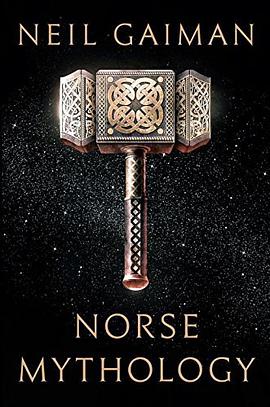
Norse Mythology
Douban
[英国] 尼尔·盖曼
publishing house:
W. W. Norton & Company
2017
- 2
Introducing an instant classic―master storyteller Neil Gaiman presents a dazzling version of the great Norse myths.
Neil Gaiman has long been inspired by ancient mythology in creating the fantastical realms of his fiction. Now he turns his attention back to the source, presenting a bravura rendition of the great northern tales.
In Norse Mythology, Gaiman stays true to the myths in envisioning the major Norse pantheon: Odin, the highest of the high, wise, daring, and cunning; Thor, Odin’s son, incredibly strong yet not the wisest of gods; and Loki―son of a giant―blood brother to Odin and a trickster and unsurpassable manipulator.
Gaiman fashions these primeval stories into a novelistic arc that begins with the genesis of the legendary nine worlds and delves into the exploits of deities, dwarfs, and giants. Once, when Thor’s hammer is stolen, Thor must disguise himself as a woman―difficult with his beard and huge appetite―to steal it back. More poignant is the tale in which the blood of Kvasir―the most sagacious of gods―is turned into a mead that infuses drinkers with poetry. The work culminates in Ragnarok, the twilight of the gods and rebirth of a new time and people.
Through Gaiman’s deft and witty prose emerge these gods with their fiercely competitive natures, their susceptibility to being duped and to duping others, and their tendency to let passion ignite their actions, making these long-ago myths breathe pungent life again.