
读过 The Terminal Experiment 🌕🌕🌕🌗🌑
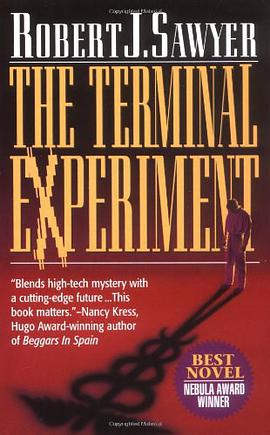
一九九五年雨果奖最佳长篇小说;最震撼的是开头对死亡的临床描写,原来器官捐赠的前提并不包括彻底的脑死亡,而是要尽可能地保持器官新鲜,所以某种程度上算活体解剖;目睹孤独病人的临终也很令人难过;作者的科幻设定一如既往地硬核,不停地抖出犀利而无用的豆知识;Peter 主角通过大脑扫描克隆出自我的 AI ,并分别模拟了永生和死亡,以及作为对照的控制组。人死亡后的体验是什么样子的?其 AI 的描写很有趣,有时跟冷血动物的大脑一样智力迟缓,有时又由于突破了大脑的化学极限而获得计算机级别的思考速度,即口若悬河滔滔不绝;死亡 AI 对幽默的解释也令人耳目一新,即因为获得了新信息,造就新神经的连接,所以大脑就得到了奖励或反射,即笑;但小说后半部分就很无聊了,Peter 和 AI 的斗争如同把戏,毕竟这是一九九五年的小说了;好像还是作者的出道作,虽然新词有八百多,但我读起来很轻松;作者也是前沿,那么早就预言了智能家居,AI,估计还懂 Linux。
Book
The Terminal Experiment
Douban Goodreads
Robert J. Sawyer
publishing house:
Harpercollins
1995
- 4
To test his theories of immortality and life after death, Dr. Peter Hobson has created three electronic simulations of his own personality. The first has all knowledge of physical existence edited out, to simulate life after death. The second is without knowledge of aging or death, to simulate immortality. The third is unmodified, a control. Now they are free. One is a killer.