
读过《Reality Is Broken》 🌕🌕🌕🌕🌑
至交好友有志于奉献全副热情给游戏设计行业,我已是用比平日里更为open的态度去对待书里的观念和展望了……这本书断断续续听了一个月,我还是时常会有作者怎么会这么乐观的感觉。但是想想与其批判某个改变不长久或是不够彻底,还不如去敬佩和支持人们已经达到的成就。毕竟那些,才是在自我的能力的范围里一点点去让世界变得更好的人。(虽然我还是不会受鼓励去玩优秀的游戏……除了智障小游戏和QQ农场/牧场……
书评就书评,有人comment里面止不住评论作者的脸蛋和有意无意提美女作家是几个意思啊(呕……
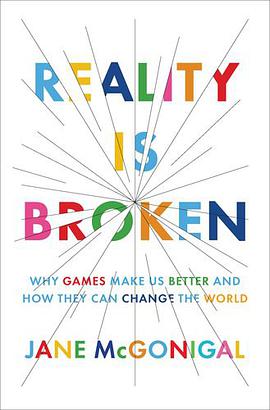
Book
Reality Is Broken Douban
author:
Jane McGonigal
publishing house:
Penguin Press HC, The
2011
- 1
Visionary game designer Jane McGonigal reveals how we can harness the power of games to solve real-world problems and boost global happiness.
More than 174 million Americans are gamers, and the average young person in the United States will spend ten thousand hours gaming by the age of twenty-one. According to world-renowned game designer Jane McGonigal, the reason for this mass exodus to virtual worlds is that videogames are increasingly fulfilling genuine human needs. In this groundbreaking exploration of the power and future of gaming, McGonigal reveals how we can use the lessons of game design to fix what is wrong with the real world.
Drawing on positive psychology, cognitive science, and sociology, Reality Is Broken uncovers how game designers have hit on core truths about what makes us happy and utilized these discoveriesto astonishing effect in virtual environments. Videogames consistently provide the exhilarating rewards, stimulating challenges, and epic victories that are so often lacking in the real world. But why, McGonigal asks, should we use the power of games for escapist entertainment alone? Her research suggests that gamers are expert problem solvers and collaborators because they regularly cooperate with other players to overcome daunting virtual challenges, and she helped pioneer a fast-growing genre of games that aims to turn gameplay to socially positive ends.
In Reality Is Broken , she reveals how these new alternate reality games are already improving the quality of our daily lives, fighting social problems such as depression and obesity, and addressing vital twenty-first-century challenges-and she forecasts the thrilling possibilities that lie ahead. She introduces us to games like World Without Oil, a simulation designed to brainstorm-and therefore avert- the challenges of a worldwide oil shortage, and Evoke, a game commissioned by the World Bank Institute that sends players on missions to address issues from poverty to climate change.
McGonigal persuasively argues that those who continue to dismiss games will be at a major disadvantage in the coming years. Gamers, on the other hand, will be able to leverage the collaborative and motivational power of games in their own lives, communities, and businesses. Written for gamers and nongamers alike, Reality Is Broken shows us that the future will belong to those who can understand, design, and play games.
More than 174 million Americans are gamers, and the average young person in the United States will spend ten thousand hours gaming by the age of twenty-one. According to world-renowned game designer Jane McGonigal, the reason for this mass exodus to virtual worlds is that videogames are increasingly fulfilling genuine human needs. In this groundbreaking exploration of the power and future of gaming, McGonigal reveals how we can use the lessons of game design to fix what is wrong with the real world.
Drawing on positive psychology, cognitive science, and sociology, Reality Is Broken uncovers how game designers have hit on core truths about what makes us happy and utilized these discoveriesto astonishing effect in virtual environments. Videogames consistently provide the exhilarating rewards, stimulating challenges, and epic victories that are so often lacking in the real world. But why, McGonigal asks, should we use the power of games for escapist entertainment alone? Her research suggests that gamers are expert problem solvers and collaborators because they regularly cooperate with other players to overcome daunting virtual challenges, and she helped pioneer a fast-growing genre of games that aims to turn gameplay to socially positive ends.
In Reality Is Broken , she reveals how these new alternate reality games are already improving the quality of our daily lives, fighting social problems such as depression and obesity, and addressing vital twenty-first-century challenges-and she forecasts the thrilling possibilities that lie ahead. She introduces us to games like World Without Oil, a simulation designed to brainstorm-and therefore avert- the challenges of a worldwide oil shortage, and Evoke, a game commissioned by the World Bank Institute that sends players on missions to address issues from poverty to climate change.
McGonigal persuasively argues that those who continue to dismiss games will be at a major disadvantage in the coming years. Gamers, on the other hand, will be able to leverage the collaborative and motivational power of games in their own lives, communities, and businesses. Written for gamers and nongamers alike, Reality Is Broken shows us that the future will belong to those who can understand, design, and play games.