读过《Big Sur and the oranges of Hieronymus Bosch》 🌕🌕🌕🌕🌑
Erica Jong把米勒的北回归线,南回归线和The Colossus of Maroussi说成但丁的地狱、炼狱和天堂,在看完那本希腊游记以后才体会到她这个比喻的精妙,而这本希腊归来,战争之后的作品本该算是天堂生活了,而且米勒也确实在书里不止一次的把Big Sur称为天堂。不过这本书里写的生活,倒像是一个走下神坛的米勒,有很多生活带来的烦恼和牢骚,被孩子折磨的不知所措,尤其是最后一部分专门写那三个月收留Conrad Moricand的日子。肖申克的救赎结尾,Andy成功越狱,更是在世外桃源与老朋友Red重逢,电影结束,字幕升起,然而他们的生活还得继续,还得考虑油盐酱醋茶,米勒的这本书给我的就是这个感觉。不过当然米勒当然不会在意这些,他要的只是丰富的体验和真诚的感悟并且记录下来而已。
Book
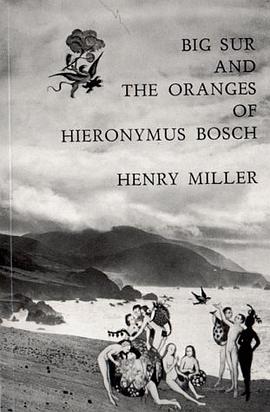
Big Sur and the oranges of Hieronymus Bosch
DoubanIn his great triptych "The Millennium" Bosch used oranges and other fruits to symbolize the delights of Paradise. Whence Henry Miller's title for this, one of his most appealing books; first published in 1957, it tells the story of Miller's life on the Big Sur, a section of California coast where he lived for fifteen years.
Big Sur is the portrait of a place—one of the most colorful in the U.S.—and of the extraordinary people Miller knew there: writers (& writers who didn't write), mystics seeking truth in meditation (& the not-so-saintly looking for sex-cults or celebrity), sophisticated children & adult innocents; geniuses, cranks & the unclassifiable.
Henry Miller writes with a buoyancy & brimming energy that are infectious. He has a fine touch for comedy. But this is also a serious book—the testament of a free spirit who has broken through the restraints & cliches of modern life to find within himself his own kind of paradise.