
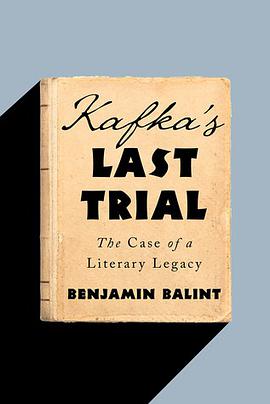
读过 Kafka's Last Trial
写得蛮好的,对人的复杂心理观察得相当细致。Eva Hoffe、以色列国家图书馆和Marbach档案馆三方的立场都有涵盖,而且作者采访了当事人、旁观了审判和检阅遗稿的过程。我觉得整本书的主题词是“归属和所有权”,作者分析了卡夫卡和布洛德的关系(这两个人对拥有这件事的态度截然相反,卡夫卡获得安全感的方式是放弃,布洛德的方式是牢牢控制住搜集来的一切东西)、卡夫卡如何看待复国主义和犹太身份、犹太作家和德语的关系(卡夫卡本人说德语像是从摇篮里偷走的孩子,现在又要训练它走钢丝)、以色列对他的作品的reception、战后德国通过文学作品重建身份的尝试。拥有过这些手稿的人,除了卡夫卡本人,都对它们表现出了占有的欲望,或许是因为对作者的感情,或许是因为想要把它们变作资产(无论是经济上的或是文化上的)。作者也写到了布洛德流亡期间的生活,他同样也是失落的想要寻找立身之处的人(笑)作为产品姐,一开始觉得产品好甜,后来我的表情一直处在被痛苦扭曲的状态,又陷入了恍惚,最后竟然露出了忧伤的微笑,千言万语化作一句话:人性真是幽深难测啊!!
Book
Kafka's Last Trial
Douban
Benjamin Balint
publishing house:
W. W. Norton Company
2018
- 9
When Franz Kafka died in 1924, his loyal friend Max Brod could not bring himself to fulfill Kafka’s last instruction: to burn his manuscripts. Instead, Brod devoted his life to championing Kafka’s writing, rescuing his legacy from obscurity and physical destruction. Nearly a century later, an international legal battle erupted to determine which country could claim ownership of his work: Israel, where Kafka dreamed of living, or Germany, where Kafka’s three sisters perished in the Holocaust? Benjamin Balint offers a gripping account of the controversial trial in Israeli courts—brimming with dilemmas legal, ethical, and political—that determined the fate of the oeuvre. Kafka’s Last Trial is a brilliant biographical portrait of a literary genius, as well as the story of two countries whose national obsessions with overcoming the traumas of the past came to a head in a hotly contested trial for the right to claim the literary legacy of one of our modern masters.