读过《The Civic Foundations of Fascism in Europe》 🌕🌕🌕🌕🌕
书对democracy 和liberalism做了划分,两者并不等同。fascism某种意义上也是democracy只是不在liberalism框架内。civil society在hegemony不足的情况下会走上超出既有liberal democracy框架的路线。大论点很惊艳,但是具体论证有循环论证之嫌。统治精英没有内部hegemony是因为底层没有团结,反之底层没形成counterhegemony的原因是统治精英不团结,那这不永劫循环了。不过具体分析为何分裂可能又是另外一本书的内容了。
Book
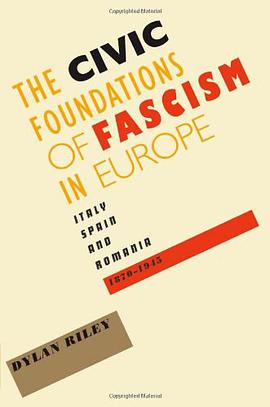
The Civic Foundations of Fascism in Europe: Italy, Spain, and Romania, 1870-1945
Douban Goodreads
Dylan Riley
publishing house:
The Johns Hopkins University Press
2010
- 1
other title:
The Civic Foundations of Fascism in Europe
Dylan Riley reconceptualizes the nature and origins of interwar fascism in this remarkable investigation of the connection between civil society and authoritarianism. From the late nineteenth century to World War I, voluntary associations exploded across Europe, especially among rural non-elites. But the development of this "civil society" did not produce liberal democracy in Italy, Spain, and Romania. Instead, Riley finds that it undermined the nascent liberal regimes in these countries and was a central cause of the rise of fascism. Developing an original synthesis of Gramsci and Tocqueville, Riley explains this surprising outcome by arguing that the development of political organizations in the three nations failed to keep pace with the proliferation of voluntary associations, leading to a crisis of political representation to which fascism developed as a response. His argument shows how different forms of fascism in Italy, Spain, and Romania arose in response to the divergent paths taken by civil society development in each nation. Presenting the seemingly paradoxical argument that the rapid development of civil society facilitated the rise of fascism in Italy, Spain, and Romania, Riley credibly challenges the notion that a strong civil society necessarily leads to the development of liberal democracy. Scholars and students interested in debates about the rise of fascism and authoritarianism, democratization, civil society, and comparative and historical methods will find his arguments compelling and his conclusions challenging.