
读过《Civil Society under Authoritarianism》 🌕🌕🌕🌕🌑
感觉是目前最符合我观察到的现象的一本书。不过,其实也是在延伸Spires的说法。研究的组织多走的是高端大气政府合作路线,而非草根组织。把中国经验融入公民社会的整体理论的努力还是很有趣的(虽然最后一章我没怎么看)。
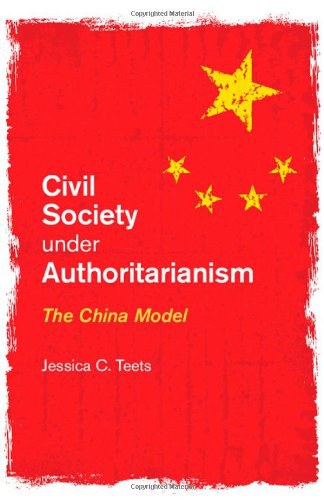
Book
Civil Society under Authoritarianism
DoubanDespite the dominant narrative of the repression of civil society in China, Civil Society Under Authoritarianism: The China Model argues that interactions between local officials and civil society facilitate a learning process, whereby each actor learns about the intentions and work processes of the other. Over the past two decades, often facilitated by foreign donors and problems within the general social framework, these interactions generated a process in which officials learned the benefits and disadvantages of civil society. Civil society supports local officials' efforts to provide social services and improve public policies, yet it also engages in protest and other activities that challenge social stability and development. This duality motivates local officials in China to construct a "social management" system - known as consultative authoritarianism - to encourage the beneficial aspects and discourage the dangerous ones. Although civil society has not democratized China, such organizations have facilitated greater dialogue between citizens and state as part of politics in an authoritarian system that normally lacks such channels for participation.