看过《东方挽歌》 🌕🌕🌕🌕🌑
让人困倦的呓语 浓雾中的孤岛 和魂灵的对话
不能走路的女孩子看着亲人从清早的雾气里显现 男孩子看海浪上漂浮的俊朗面孔死而复生般说着安慰的话 老婆婆被问起幸福 支支吾吾 我这一生哪有什么幸福呢 反复这么说着
受访者的每段独白都好喜欢 气氛却过于诡异了
Movie
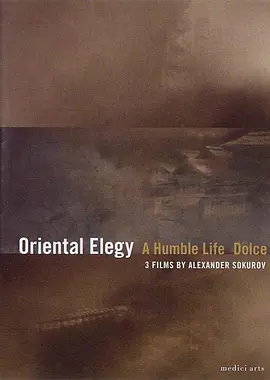
Oriental Elegy (2005)
Восточная элегия WikiData IMDb TMDB Douban
other title:
东方挽歌
/
Восточная элегия
…
This wonderful visual poem unites many of Sokurov's best traits. Like most of his films, it is less about plot than the unfolding of a specific situation. Here, an observer who merely appears as a silhouette (though it seems to be Sokurov) travels to an old Japanese town on an island. It is an unearthly place, almost empty, old buildings, mist, probably the afterlife. The observer talks to three souls about their former lives which they see as burdensome and unhappy; but they talk in a light-hearted manner. There is a nocturnal feel to everything, the images have a washed-out quality, like varnished old paintings, and Sokurov deliberately keeps them sometimes out of focus (all trademarks of his); the soundtrack is a marvelous composition of gently howling wind, creaking wood and remote music, some classical, some Russian and Japanese folk. The entire movie is a dreamlike reflection on life and death and the view of the dead upon the living. Absolutely recommended for all who like Sokurov and Eastern European poetic film. (IMDB)