Best Japanese Films Kinema Junpo (1926-2025)
1279 movies 1 tv show

Movie
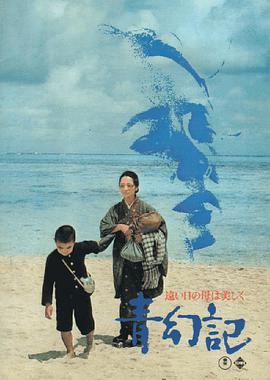
Seigen-ki (1973) IMDb TMDB Douban
青幻記 遠い日の母は美しく
director:
成岛东一郎
actor:
田村高广
/
贺来敦子
other title:
青幻记
/
青幻記 遠い日の母は美しく
…
Minoru visits his home on Okinoerabu island for the first time in thirty years. Seeing the old man who used to be in love with his mother, Minoru recalls the old days spent on the island with his young, beautiful mother.
Movie
Errance (1973) WikiData IMDb TMDB Douban
股旅
other title:
股旅
/
The Wanderers
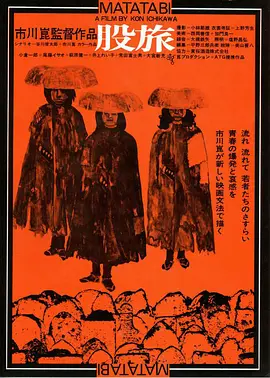
Follows the fluctuating fortunes of three ronin in feudal Japan who wander from castle to castle, selling their services to whichever lord will fill their rice bowls. Though they use the servants' entrance, they still feel themselves bound by the samurai code of Bushido; and this tension leads to tragedy.


Movie
Tora-san's Forget Me Not (1973) WikiData IMDb TMDB Douban
男はつらいよ 寅次郎忘れな草
director:
Yoji Yamada
actor:
Kiyoshi Atsumi
/
Chieko Baisho
…
other title:
寅次郎的故事11:寅次郎勿忘我
/
男はつらいよ 寅次郎忘れな草
…
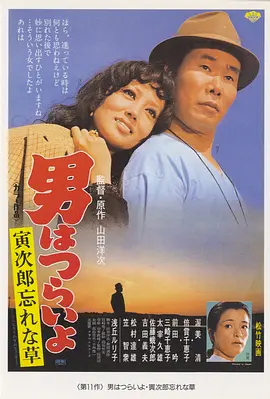
On the road again, Torajiro meets a kindred spirit in Lily, a lounge singer.

Movie
Tora-san Loves an Artist (1973) WikiData IMDb TMDB Douban
男はつらいよ 私の寅さん
director:
Yoji Yamada
actor:
Kiyoshi Atsumi
/
Chieko Baisho
…
other title:
寅次郎的故事12:我的寅先生
/
男はつらいよ 私の寅さん
…
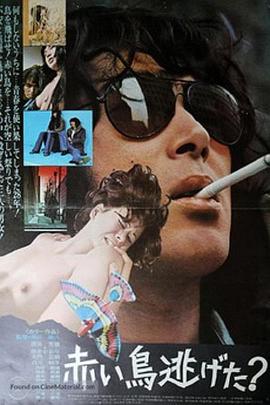
Tora-San returns to Shibamata just before his family leaves on a trip for Kyushu. Later, he encounters an old school chum and begins to have feeling for his artist sister.



Movie
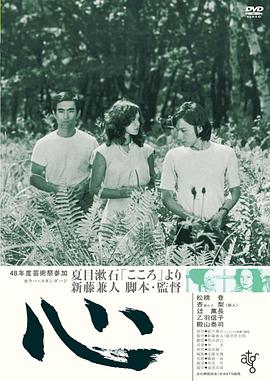
Kokoro (1973) WikiData IMDb TMDB Douban
心
director:
Kaneto Shindō
actor:
松桥登
/
Kazunaga Tsuji
…
other title:
心
/
Corazón
…
The relationship between a rich young student and his lower class friend changes when they start to live both at a guest house. Both will be attracted towards Iko, the beautiful daughter of their landlady.
Movie
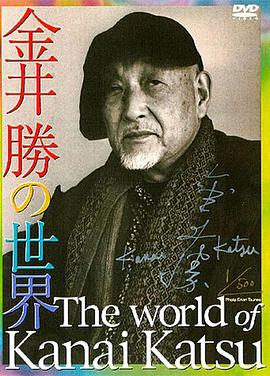
The Kingdom (1973) IMDb TMDB Douban
王国
director:
金井胜
actor:
むささび童子
/
城之内元晴
…
other title:
王国
/
Ôkoku
“The Kingdom” is the third film in Kanai Katsu’s avant-garde Smiling Milky Way Trilogy which began with two politically loaded films, 1968’s “The Deserted Archipelago”, a dream journey through the the post-ANPO Treaty 60’s, and 1971’s “Good-Bye”, an exploratrion of the plight of the zainichi, or Japanese of Korean heritage. “The Kingdom” doesn’t take on any loaded current event or momentary societal ill though. Instead it goes to the root of Japanese (and global) society’s engine - time - and in that way “The Kingdom” is probably the most radical film in Kanai’s trilogy of films.
Katsu Kanai: My first film, The Deserted Archipelago, emerged out of the intersections between my own experiences and fantasies and Japan’s postwar history, and, as such, I might call it the “Human Chapter” of my trilogy. In contrast, Good-bye pursues the mystery of my distant DNA. Since it moves from blood to land, I might call it the “Earth Chapter.” Following these two narratives came The Kingdom. Even if we were to deny all gods, there is one god controlling us, one god whom we cannot refuse: the god of time. The Kingdom was my challenge to that god of time as well as the finale, “The Heavenly Chapter,” to my Smiling Milky Way Trilogy.
The story is about a popular poet, Goku Katsumaru, who grows depressed when his editor jokingly implies that he is a “sell-out to his times.” Around Goku appear first a “Team of Pickpockets With Plans to Steal Time” and later the Bird Doctor who develops his research on migrating birds and, in particular, their internal clocks, “to liberate himself from the bonds of time.” Goku , who now dreams of becoming a poet for all time, employs the knowledge he has acquired from these men to travel from a field in the Hachioji suburbs of Tokyo all the way to the Galapagos Islands, where he attempts a total transcendence. The film is both an incredible adventure story as well as the kitsch formulation of a new “myth.” I had been challenged by the words of the young Ôshima Nagisa, who declared “I won’t accept something as cinema unless it is founded in an absolutely new story and an absolutely new methodology. We cannot be allowed to imitate ourselves.” While there are some points in common across each of the three films in this trilogy, I truly did my utmost to distinguish them at both the level of story and method—to maintain their distinct and unique qualities. In the last scene of The Kingdom, just as Goku’s face can be seen shining beneath the twinkling night sky, you see the face of Kanai Katsumaru, the protagonist from Good-bye, and then that of Hidekuni, the lead in The Deserted Archipelago, and finally, across the whole screen appear six faces without even eyes or noses. The latter were nods towards my films yet to come.
The Kingdom was selected for second place in the Asahi Newspaper’s “Best Five from 1973.” The Japanese film journal, Eiga Hyôron (Film Review), listed the film in 9th place among its Best Ten of the Year. And Max Tessier wildly praised The Kingdom in the French film magazine, Ecran. I heard that Tessier even took the film to Cannes himself and screened it there, giving his own running translation of the dialogue. I’m still indebted to Tessier’s enthusiasm!
Katsu Kanai: My first film, The Deserted Archipelago, emerged out of the intersections between my own experiences and fantasies and Japan’s postwar history, and, as such, I might call it the “Human Chapter” of my trilogy. In contrast, Good-bye pursues the mystery of my distant DNA. Since it moves from blood to land, I might call it the “Earth Chapter.” Following these two narratives came The Kingdom. Even if we were to deny all gods, there is one god controlling us, one god whom we cannot refuse: the god of time. The Kingdom was my challenge to that god of time as well as the finale, “The Heavenly Chapter,” to my Smiling Milky Way Trilogy.
The story is about a popular poet, Goku Katsumaru, who grows depressed when his editor jokingly implies that he is a “sell-out to his times.” Around Goku appear first a “Team of Pickpockets With Plans to Steal Time” and later the Bird Doctor who develops his research on migrating birds and, in particular, their internal clocks, “to liberate himself from the bonds of time.” Goku , who now dreams of becoming a poet for all time, employs the knowledge he has acquired from these men to travel from a field in the Hachioji suburbs of Tokyo all the way to the Galapagos Islands, where he attempts a total transcendence. The film is both an incredible adventure story as well as the kitsch formulation of a new “myth.” I had been challenged by the words of the young Ôshima Nagisa, who declared “I won’t accept something as cinema unless it is founded in an absolutely new story and an absolutely new methodology. We cannot be allowed to imitate ourselves.” While there are some points in common across each of the three films in this trilogy, I truly did my utmost to distinguish them at both the level of story and method—to maintain their distinct and unique qualities. In the last scene of The Kingdom, just as Goku’s face can be seen shining beneath the twinkling night sky, you see the face of Kanai Katsumaru, the protagonist from Good-bye, and then that of Hidekuni, the lead in The Deserted Archipelago, and finally, across the whole screen appear six faces without even eyes or noses. The latter were nods towards my films yet to come.
The Kingdom was selected for second place in the Asahi Newspaper’s “Best Five from 1973.” The Japanese film journal, Eiga Hyôron (Film Review), listed the film in 9th place among its Best Ten of the Year. And Max Tessier wildly praised The Kingdom in the French film magazine, Ecran. I heard that Tessier even took the film to Cannes himself and screened it there, giving his own running translation of the dialogue. I’m still indebted to Tessier’s enthusiasm!

Movie
Woods Are Wet (1973) IMDb TMDB Douban
女地獄 森は濡れた
director:
Tatsumi Kumashiro
actor:
Hiroko Isayama
/
Rie Nakagawa
…
other title:
女地狱:濡湿的森林
/
女地獄 森は濡れた
…
Sachiko has just committed a crime. She is helped by a couple to whom she grants her confidence. Quickly this couple blackmails her and threatens to deliver her to the police. Sachiko has no other choice but to obey them.
Movie
The Long Darkness (1972) WikiData IMDb TMDB Douban
忍ぶ川
other title:
忍川之恋
/
忍ぶ川
…
The relationship between Tetsuro, a university student from a disgraced, burdened family, and Shino, a waitress supporting her impoverished relatives. The couple decides to marry despite the significant emotional and social hardships each faces, viewing their love as a means to overcome the shame and despair inherited from their pasts.
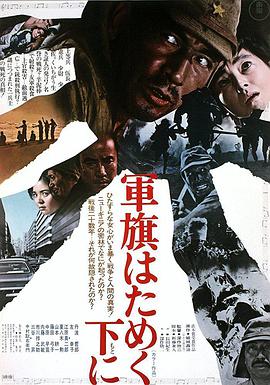
Movie
Under the Flag of the Rising Sun (1972) WikiData IMDb TMDB Douban
軍旗はためく下に
other title:
군기는 똥구덩이 아래에
/
軍旗はためく下に
…
A war widow determined to clear the name of her disgraced husband, who was court-martialed for desertion and executed. Official records have been destroyed, and the ministry that distributes benefits continues to deny her a pension. Twenty-six years after the war, she seeks out four survivors of her husband's garrison. Each tells a dramatically different story about her husband's conduct, but she is determined to learn the truth.