
1990s
99 movies 1 tv show

Movie
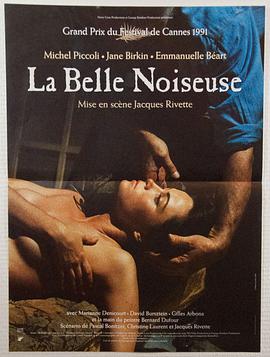
Divertimento (1992) IMDb TMDB Douban
Divertimento
director:
Jacques Rivette
actor:
Michel Piccoli
/
Jane Birkin
…
other title:
嬉游曲
/
嬉戏曲
…
More than just an abbreviated form of "La Belle Noiseuse", Rivette re-cut his footage with some important differences in point of view - this one being more from Marianne's point of view.
Movie
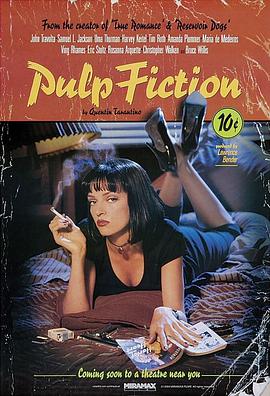
Pulp Fiction (1994) WikiData IMDb TMDB Douban Eggplant.place Min reol Skybridge +4
Pulp Fiction
other title:
低俗小说
/
危险人物(港)
…
A burger-loving hit man, his philosophical partner, a drug-addled gangster's moll and a washed-up boxer converge in this sprawling, comedic crime caper. Their adventures unfurl in three stories that ingeniously trip back and forth in time.
Movie
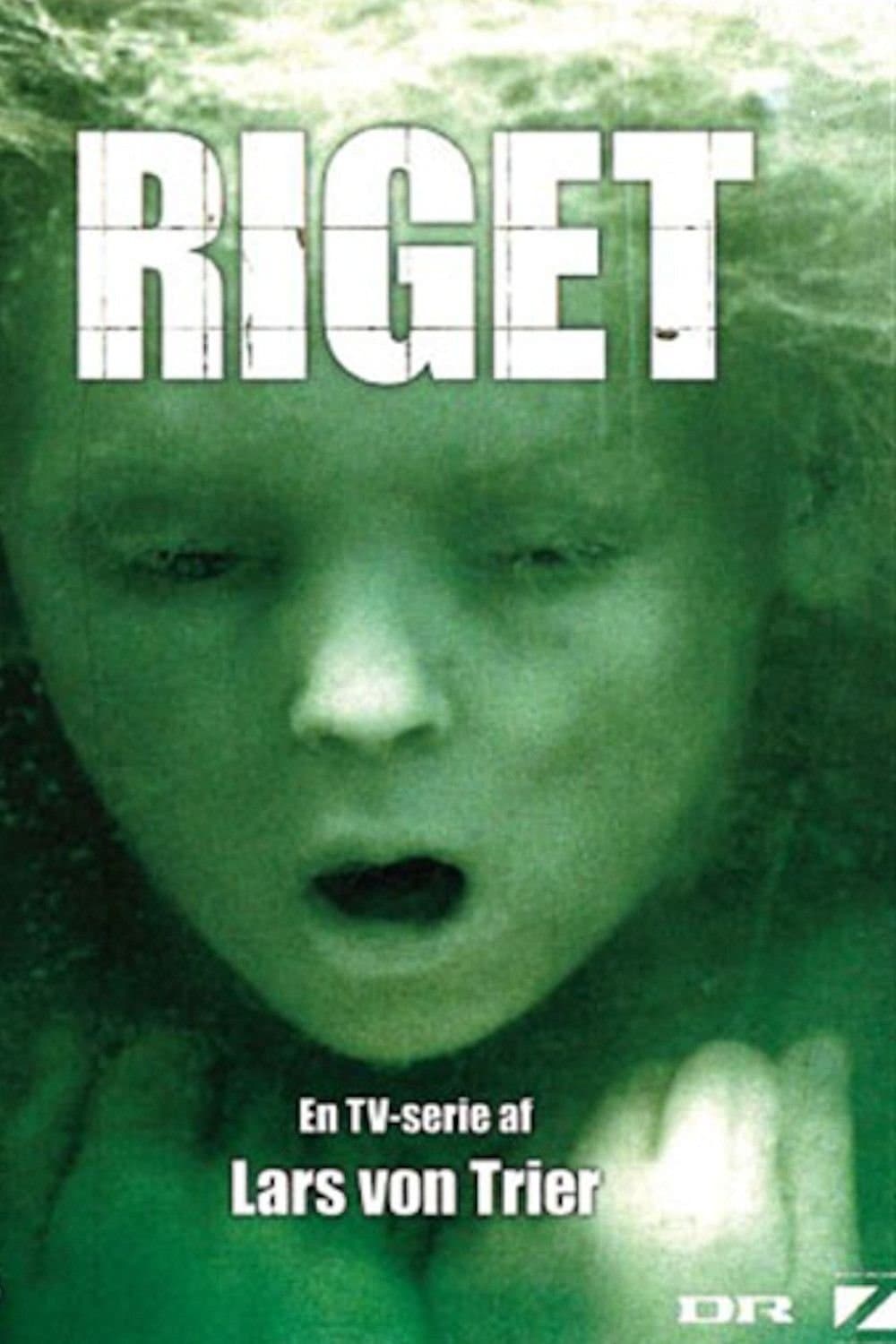
The Kingdom (1994) TMDB
Riget
director:
拉斯·冯·提尔
/
Morten Arnfred
actor:
Ernst-Hugo Järegård
/
Kirsten Rolffes
…
other title:
킹덤
/
キングダム
…
Set in the neurosurgical ward of Copenhagen's Rigshospitalet, the city and country's main hospital, nicknamed "Riget", a number of characters, staff and patients alike, encounter bizarre phenomena, both human and supernatural.
Movie
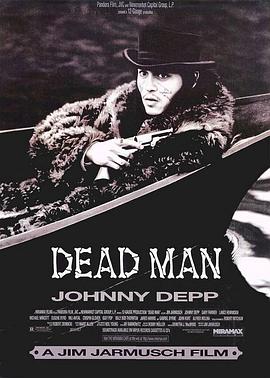
Dead Man (1995) WikiData IMDb TMDB Douban Skybridge +2
Dead Man
director:
Jim Jarmusch
actor:
Johnny Depp
/
Gary Farmer
…
other title:
离魂异客
/
死人
…
William Blake, an accountant turned fugitive, is on the run. During his travels, he meets a Native American man called Nobody, who guides him on a journey to the spiritual world.

Movie
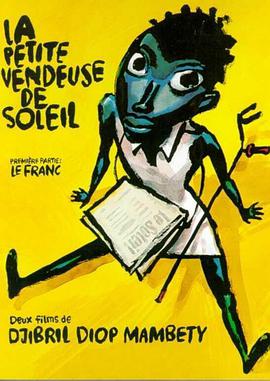
The Little Girl Who Sold the Sun (2000) WikiData IMDb TMDB Douban Skybridge +2
La Petite vendeuse de soleil
director:
吉布里尔·迪奥普·曼贝蒂
actor:
Lissa Balera
/
Aminata Fall
…
other title:
卖太阳的小女孩
/
La Petite vendeuse de soleil
…
A young girl with a physical disability arrives in Dakar and challenges the convention of boys selling newspapers on the street.
Movie
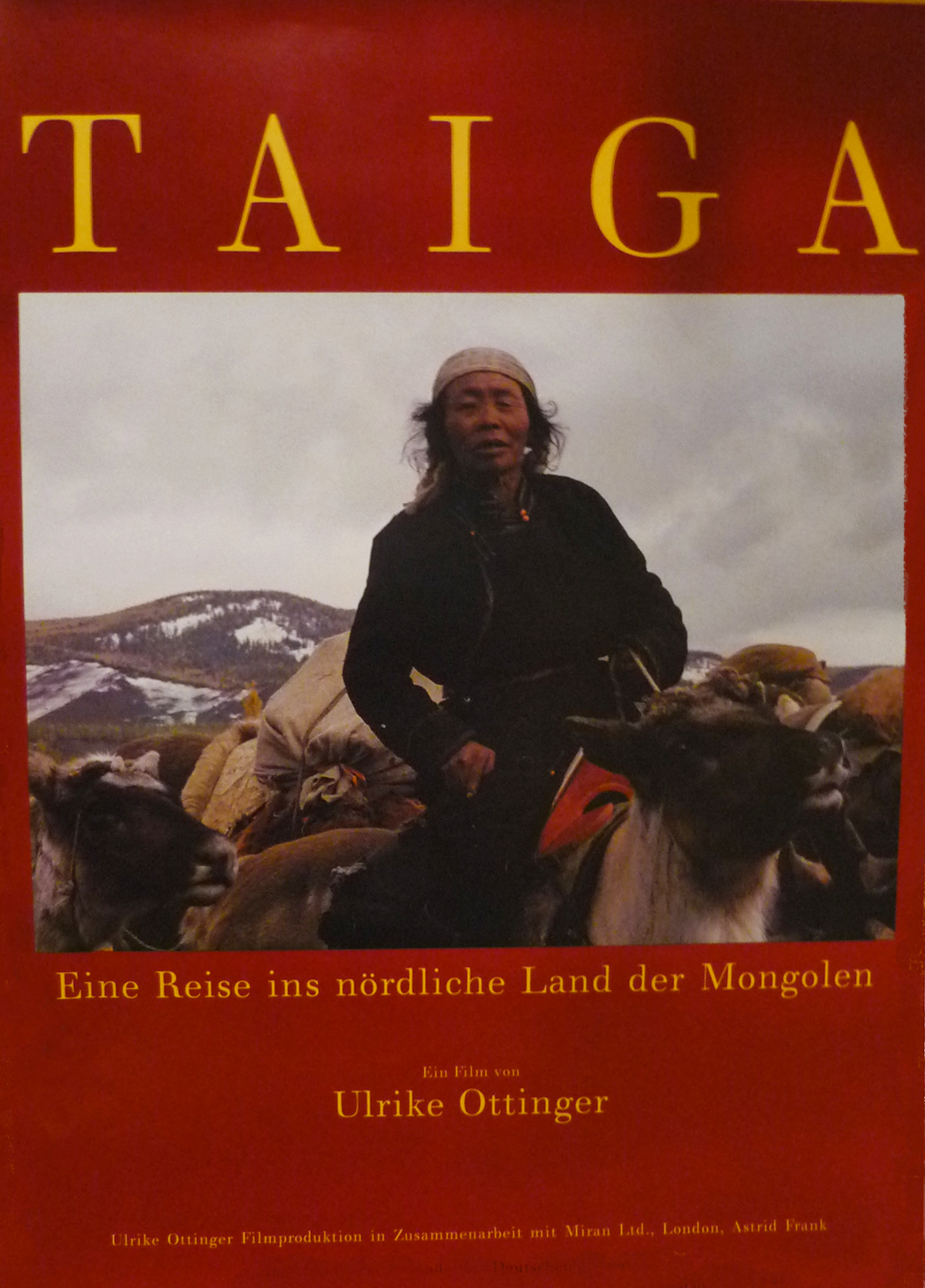
Taiga (1992) WikiData IMDb TMDB Douban
Taiga
director:
Ulrike Ottinger
other title:
蒙古生活
The films of Ulrike Ottinger (b. 1942) are shaped by a fascination with place, a topical and topographical curiosity that drives their wanderlust across locales both imagined and real, from the fantastically spectral Berlin of the early Freak Orlando and the nostalgia shrouded Viennese amusement park of Prater, to the vast, remote steppes of Central Asia explored in Taiga and the busy banquet halls of present-day Seoul in The Korean Wedding Chest. Ottinger’s fiction films kaleidoscope a carnivalesque vision of the world, staging unpredictable encounters with a remarkably motley cast of “freak” outsiders – lovers, pirates, brigands, grafters and their adversaries. While Ottinger’s documentaries, in contrast, focus insightfully on the quotidian reality of everyday people, but are no less colorful and exuberant in their spirited exploration of the playful and poetic intersection of the traditional and contemporary.
Born in Konstanz, Germany, Ottinger spent much of the 1960s working as a painter in Paris – where she also studied with the likes of Claude Lévi-Strauss and Louis Althusser – before launching her film career in Berlin in the early 1970s. Ottinger’s earliest films grow out of her close association with various Berlin subcultures and art scenes and involved collaborations with such luminary figures as Tabea Blumenschein, as well as Irm Hermann, Kurt Raab and Magdalena Montezuma, actors central to the Fassbinder scene. International recognition and reknown followed her first feature film Madame X (1977), which especially drew the interest of queer and feminist critics and scholars in the U.S. To this day Ottinger’s films are held up for their radicalness, not only of narrative but also of their treatment of sexuality and of gender itself. A Renaissance woman, Ottinger writes her own scripts, frequently operates the camera and even designs the often elaborate sets and costumes showcased in her films.
The fall of the Berlin Wall and a massive funding crisis for “art cinema” coincided at the beginning of the 1990s to inspire a distinct shift in Ottinger’s cinema away from the theatrical extravagances of her early film work to a mode of carefully observed documentary. Yet uniting and cross-pollinating Ottinger’s documentary and fiction work are a set of running themes – a concern for the normative function of power and its ability to repress and ostracize difference; a nostalgia for the cosmopolitism of pre-war Central Europe; and a delight in the richness and beauty of “other cultures,” be they popular, archaic or simply non-Western.
Taiga
Directed by Ulrike Ottinger.
Germany 1992, 16mm, color, 501 min. Mongolian and Tuvinian with English subtitles
Ottinger returned to Mongolia to craft her incredible epic documentary portrait of reindeer herders on the far Northern steppes. While offering rare glimpses into the shamanic ceremonies, hunts, weddings and amusements that color the herders’ lives, Taiga uses its nine hours to resist any notion of the nomads as simply “exotic” by creating a fully immersive encounter with the Mongolians daily routines and rituals. Bearing mesmerizing witness to a world seemingly out of time, Taiga is ultimately a study in contrasts: between the vast steppes and the intimacy of the nomads’ private spaces, between the mobility of the nomadic life and the fixity of Ottinger’s camera, between pre-modern practices and their contemporary variations.
Born in Konstanz, Germany, Ottinger spent much of the 1960s working as a painter in Paris – where she also studied with the likes of Claude Lévi-Strauss and Louis Althusser – before launching her film career in Berlin in the early 1970s. Ottinger’s earliest films grow out of her close association with various Berlin subcultures and art scenes and involved collaborations with such luminary figures as Tabea Blumenschein, as well as Irm Hermann, Kurt Raab and Magdalena Montezuma, actors central to the Fassbinder scene. International recognition and reknown followed her first feature film Madame X (1977), which especially drew the interest of queer and feminist critics and scholars in the U.S. To this day Ottinger’s films are held up for their radicalness, not only of narrative but also of their treatment of sexuality and of gender itself. A Renaissance woman, Ottinger writes her own scripts, frequently operates the camera and even designs the often elaborate sets and costumes showcased in her films.
The fall of the Berlin Wall and a massive funding crisis for “art cinema” coincided at the beginning of the 1990s to inspire a distinct shift in Ottinger’s cinema away from the theatrical extravagances of her early film work to a mode of carefully observed documentary. Yet uniting and cross-pollinating Ottinger’s documentary and fiction work are a set of running themes – a concern for the normative function of power and its ability to repress and ostracize difference; a nostalgia for the cosmopolitism of pre-war Central Europe; and a delight in the richness and beauty of “other cultures,” be they popular, archaic or simply non-Western.
Taiga
Directed by Ulrike Ottinger.
Germany 1992, 16mm, color, 501 min. Mongolian and Tuvinian with English subtitles
Ottinger returned to Mongolia to craft her incredible epic documentary portrait of reindeer herders on the far Northern steppes. While offering rare glimpses into the shamanic ceremonies, hunts, weddings and amusements that color the herders’ lives, Taiga uses its nine hours to resist any notion of the nomads as simply “exotic” by creating a fully immersive encounter with the Mongolians daily routines and rituals. Bearing mesmerizing witness to a world seemingly out of time, Taiga is ultimately a study in contrasts: between the vast steppes and the intimacy of the nomads’ private spaces, between the mobility of the nomadic life and the fixity of Ottinger’s camera, between pre-modern practices and their contemporary variations.

Movie
Ghost Dog: The Way of the Samurai (1999) WikiData IMDb TMDB Douban Eggplant.place +2
Ghost Dog: The Way of the Samurai
director:
Jim Jarmusch
actor:
Forest Whitaker
/
John Tormey
…
other title:
鬼狗杀手
/
幽灵狗:忍者之路
…
An African-American Mafia hit man who models himself after the samurai of ancient Japan finds himself targeted for death by the mob.


Movie
From the East (1993) WikiData IMDb TMDB Douban
D'Est
director:
香特尔·阿克曼
actor:
Natalia Chakhovskaia
other title:
来自东方
/
D'Est
…
This experimental documentary is a compendium of striking images of Eastern Europe and its citizens in transition, following the collapse of the so-called Cold War. Places as diverse as Baltic beaches, and Moscow's snow-covered streets vie for attention along with the citizens of these places as they wait in lines, march in military formation, or stand idle in the waiting rooms of train stations. There is no narration, and no clear point (except the idea of transitions) is indicated by the beautifully chosen, enigmatic imagery. Indeed, there is not even much musical accompaniment. Fans of director Chantal Akerman's aggressively "non-commercial" work are likelier to find this film more appealing than the average viewer will.

Movie
Three Colors: Red (1994) WikiData IMDb TMDB Douban
Trois couleurs : Rouge
director:
Krzysztof Kieślowski
actor:
Irène Jacob
/
Jean-Louis Trintignant
…
other title:
세 가지 색: 레드
/
トリコロール/赤の愛
…
Part-time model Valentine unexpectedly befriends a retired judge after she runs over his dog. At first, the grumpy man shows no concern about the dog, and Valentine decides to keep it. But the two form a bond when she returns to his house and catches him listening to his neighbors’ phone calls.

TV
Neon Genesis Evangelion (New Century Evangelion) (1995) IMDb TMDB Douban Bangumi Eggplant.place +2
新世紀エヴァンゲリオン Season 1 part of TV Series: Neon Genesis Evangelion
突袭世界的大灾难“第二次冲击”后,世界在废墟之上重建。14 岁的少年碇真嗣被父亲碇元渡叫到第三新东京市。本以为能见到父亲迎接的他,却见到名为“ 使徒”的巨大生物与军队交火。危急之下,特务机关 NERV 的葛成美里将真嗣救下,并将其带往碇元渡所统领的 NERV 总部。但迎接真嗣的,却是是父亲冷酷地命令:驾驶称为“EVA”的巨大人型机器人与使徒战斗。本已表示拒绝的真嗣,看到重伤的替补驾驶员绫波丽后,决定遵从父亲的命令。就这样,从未受过作战训练的真嗣,准备驾驶 EVA 初号机迎战使徒。 不断袭来的使徒,身份不明的绫波丽,从德国来的驾驶员惣流·明日香·兰格蕾,14 岁的少年要面对远超自己能力的挑战。而碇元渡不动声色地观察一切,一个称为“人类补完计划”的神秘计划正在按照他的计划实现。
Movie
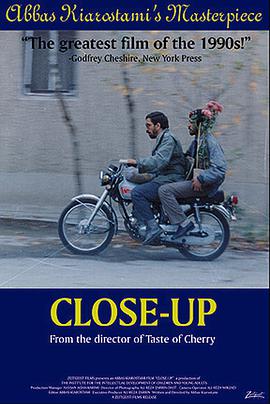
Close-Up (1990) WikiData IMDb TMDB Douban
کلوزآپ
director:
阿巴斯·基亚罗斯塔米
actor:
Hossain Sabzian
/
莫森·玛克玛尔巴夫
…
other title:
特写
/
کلوزآپ
…
1990 film by Abbas Kiarostami

Movie